A great-grandmother has been executed by lethal injection in Texas for a murder that concealed a second, hidden killing on her property. Betty Lou Beets, 62, was pronounced dead at 6:18 p.m. on February 24th at the state penitentiary in Huntsville, closing a 15-year legal battle stemming from a 1983 murder-for-insurance plot.
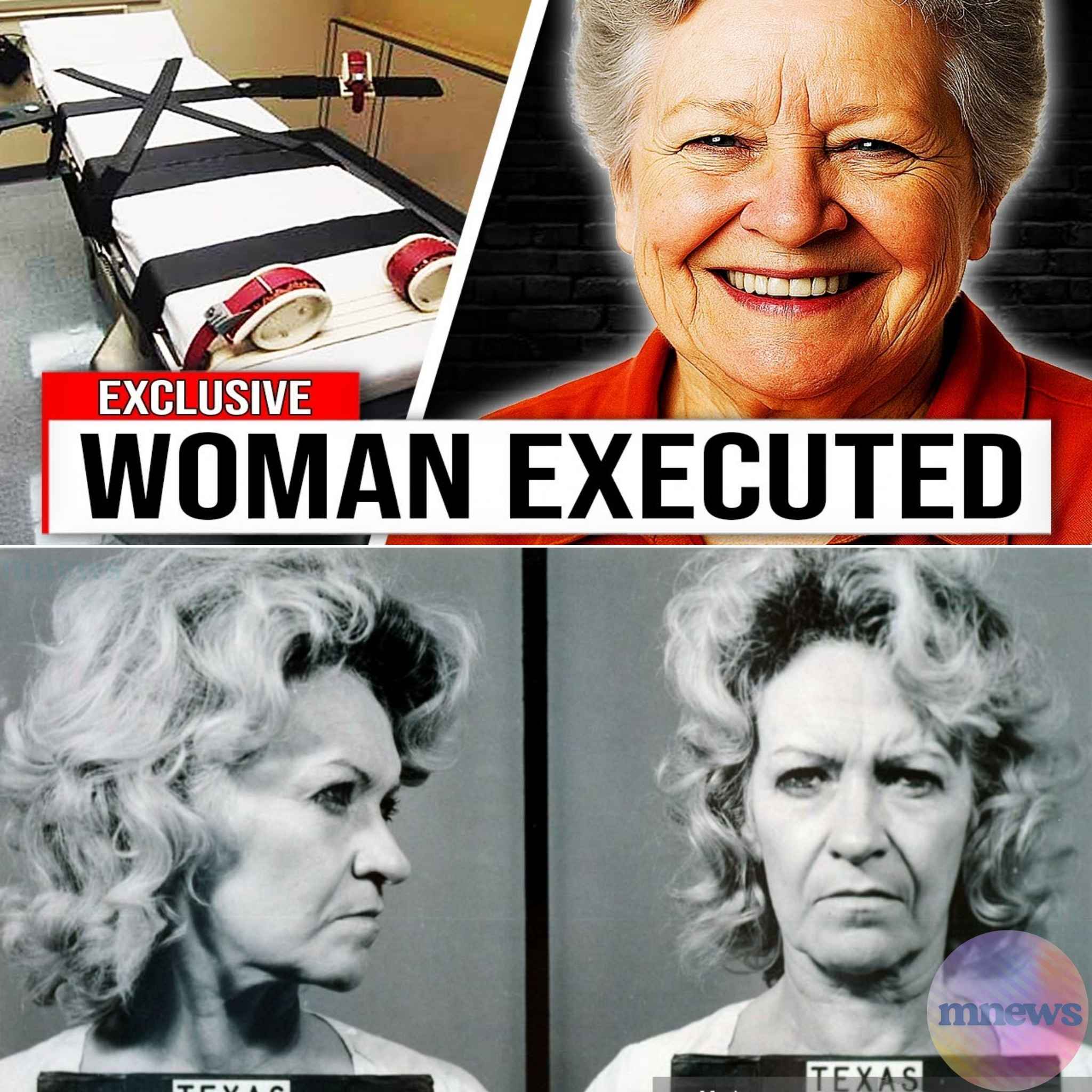
The execution followed the rejection of final appeals and a plea for clemency from her daughters, who cited a lifetime of alleged abuse. Beets declined to give a final statement and did not request a special last meal. Witnesses reported she showed little emotion as the procedure began.
Her death sentence was for the murder of her fifth husband, Jimmy Don Beets. The case unraveled nearly two years after his disappearance, triggered by an anonymous tip to the Henderson County Sheriff’s Office in 1985. Investigators obtained a warrant to search her home near Cedar Creek Lake.
What they discovered shocked the community. In the front yard, beneath a decorative concrete-covered wishing well, they found Beets’s body. He had been shot twice in the head. Behind the house, under a storage shed, lay the remains of her fourth husband, Doyle Wayne Barker, also killed by a .38 caliber bullet.
The murders followed a grim pattern. Beets had a long history of volatile relationships and violence. She shot her second husband on two separate occasions, surviving both, and even remarried him briefly. She attempted to run over her third husband with a car. These men later testified against her.

The night of August 6, 1983, was the culmination. Beets told her adult son, Robbie, she was “done” with Jimmy and that he “had to die tonight.” She instructed Robbie to leave the isolated home. He returned hours later to find Jimmy dead in his recliner, killed as he dozed.
Together, they buried Jimmy in the wishing well he had helped build that summer, sealing it with concrete. To explain his disappearance, they staged a boating accident on Cedar Creek Lake, scattering his heart medication and setting his vessel adrift. A massive three-week search found nothing.
Betty Beets played the grieving widow but raised suspicions by asking pointed questions about life insurance and pension benefits. Jimmy had a $110,000 policy, and Beets stood to gain a monthly pension, but only after a seven-year wait if nobody recovered.
At trial, her defense suggested Robbie was the killer. His testimony was devastating. He told the jury his mother had confessed her intent, and he helped cover it up out of loyalty. He described her as “a very selfish woman.” The jury convicted her of capital murder on October 11, 1985.

Prosecutors argued she killed Jimmy for financial gain and used Barker’s disappearance to demonstrate a pattern. She was sentenced to death three days later. Her appeals focused on claims of battered woman syndrome and legal technicalities, delaying execution for a decade and a half.
In final pleas, her daughters presented photos of a bruised and battered Betty Beets, arguing a lifetime of abuse by the men she married led to her crimes. The state parole board and courts were unmoved. The U.S. Supreme Court declined a last-minute stay.
In the execution chamber, Jimmy Beets’s son, Jaime, watched. He said the condemned woman showed no fear or remorse. “She really didn’t have any expression on her face at all,” he stated. He chose to focus on his father, believing he could finally rest.
As the lethal injection began, Beets offered a faint smile to her attorney and a pastor. She then coughed twice, gasped, and fell still. The case of the grandmother on death row, who buried two husbands in her yard, ended without a word of apology or explanation from the woman at its center.