Timothy McVeigh, the notorious architect of the Oklahoma City bombing, was executed on June 11, 2001, marking a grim milestone as the first federal execution in decades. In a chilling farewell, he left behind a handwritten poem, “Invictus,” instead of a traditional last meal, asserting his twisted sense of control over his fate.
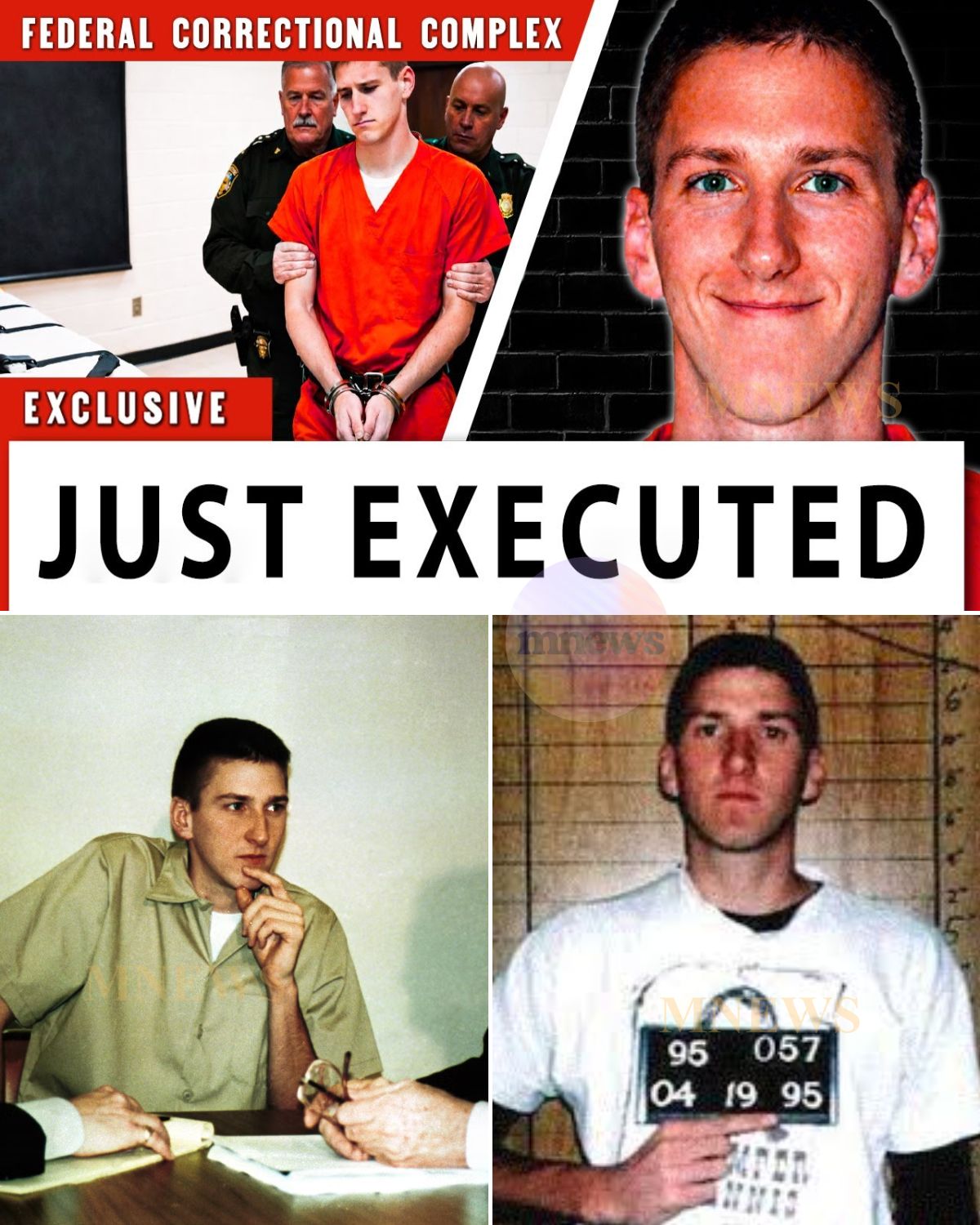
On April 19, 1995, McVeigh unleashed terror on the Alfred P. Murrah Federal Building, detonating a 7,000-pound bomb that killed 168 people, including 19 children. The explosion, a devastating act of domestic terrorism, shattered lives and left a crater 30 feet wide, forever changing the landscape of Oklahoma City.
Motivated by a warped ideology rooted in revenge against the government, McVeigh’s actions were fueled by events like the Waco siege and Ruby Ridge. He meticulously planned the attack, gathering explosives and assembling the bomb with a former army buddy, Terry Nichols. The choice of target was deliberate, aimed at sending a message against perceived tyranny.
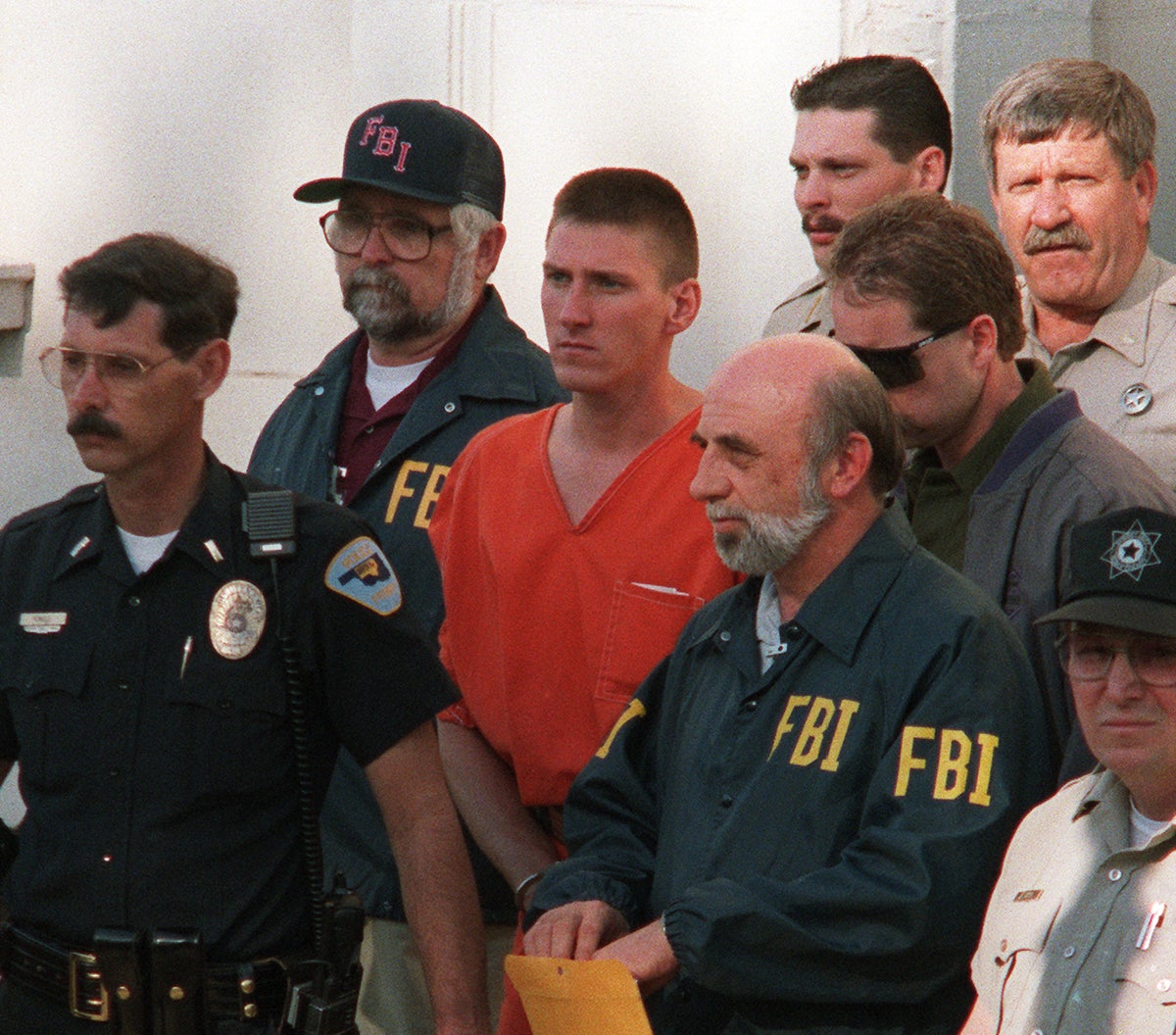
McVeigh’s calm demeanor during the bombing’s aftermath was chilling. After the explosion, he drove away, earplugs in, seemingly unfazed by the chaos he had caused. His arrest came just 90 minutes later during a routine traffic stop, where a trooper noticed the lack of a rear license plate on his vehicle.
The investigation quickly unraveled McVeigh’s network. Evidence, including a twisted truck axle and motel records, led authorities to his doorstep. Nichols was arrested shortly after, and their former friend, Michael Fortier, ultimately testified against them, revealing chilling details of their plans.
In the courtroom, McVeigh displayed no remorse. He was convicted on multiple counts, including conspiracy to use a weapon of mass destruction. His death sentence was handed down in June 1997, marking the beginning of a lengthy appeals process that would ultimately lead to his execution.
As he lay strapped to the gurney on the day of his execution, McVeigh’s final words echoed the defiance he embodied throughout his life. “I am the master of my fate. I am the captain of my soul,” he wrote, leaving behind a legacy of violence and radicalization that continues to haunt America.
The execution raised profound questions about justice and the nature of domestic terrorism. Critics pointed to the FBI’s failure to disclose evidence, igniting debates over the fairness of the trial and the government’s role in the events leading up to the bombing.
In the wake of McVeigh’s execution, the specter of homegrown extremism looms larger than ever. The Oklahoma City bombing remains a stark reminder of the dangers posed by radical ideologies and the urgent need for vigilance in safeguarding public spaces. As the nation reflects on this dark chapter, the quest for understanding and prevention continues.