Jay Wesley Neill, a former death row inmate, was executed by lethal injection on December 12, 2002, at the Oklahoma State Penitentiary. After 18 years of legal battles, Neill’s final moments were marked by remorse and an appeal for forgiveness, leaving a community divided over his heinous crimes and controversial trial.
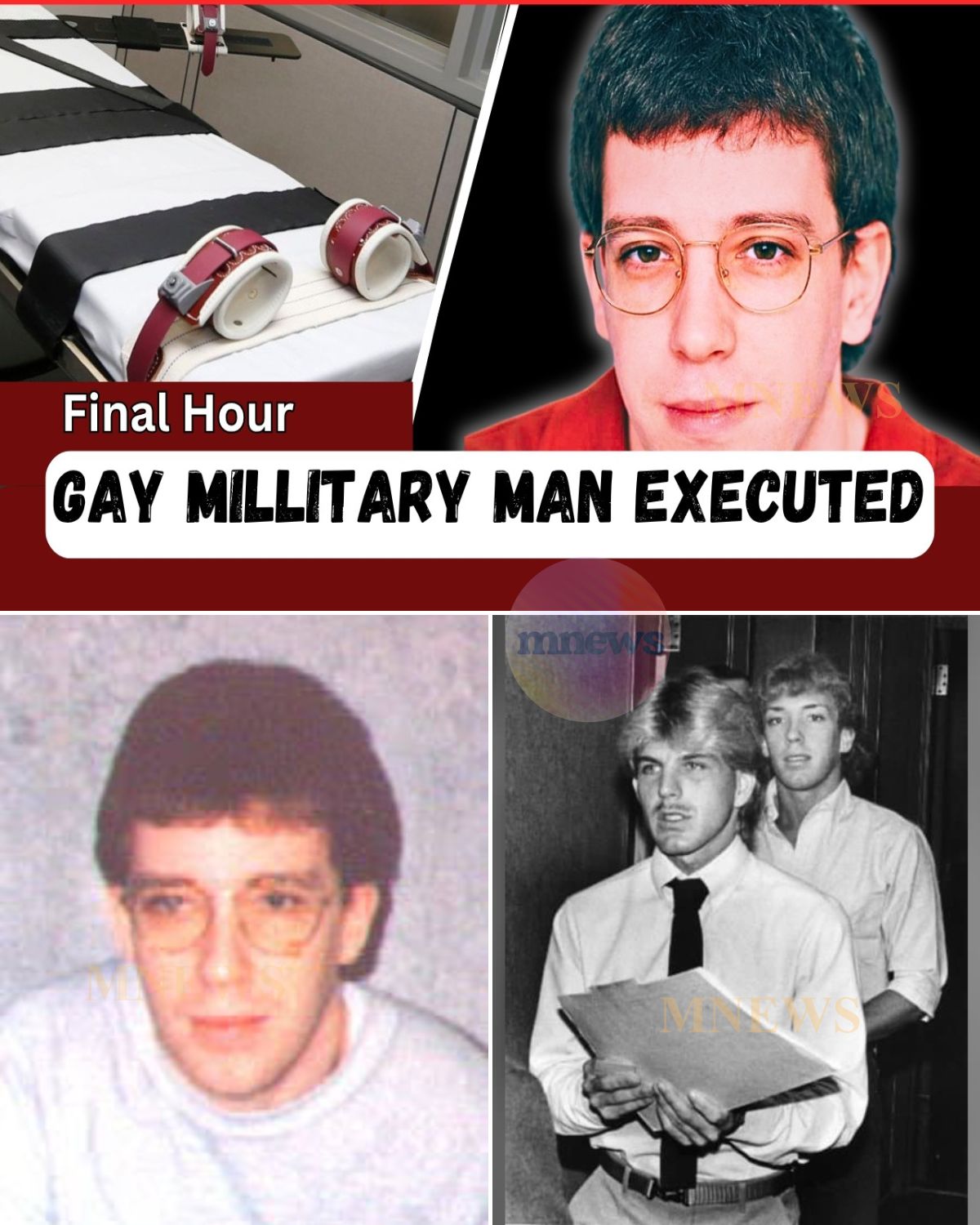
At 6:14 PM, the blinds to the execution chamber were raised, revealing a visibly shaken Neill. He struggled to lift his head from the gurney, his voice trembling as he addressed a camera broadcasting the event to the families of his victims. “I want everyone to know I’m really sorry for what I did to you,” he said, tears in his eyes.
Neill’s crimes date back to December 14, 1984, when he brutally murdered three women during a bank robbery in Geronimo, Oklahoma. The attack was described as one of the most savage in the state’s history, with Neill stabbing his victims a total of 75 times before shooting several customers. The sheer brutality shocked the small town, forever altering its sense of safety.

His trial became a focal point for discussions on sexuality and justice. Prosecutorial misconduct was alleged, with the defense arguing that Neill’s homosexuality was improperly weaponized against him. The prosecutor’s inflammatory comments left a stain on the proceedings, raising questions about whether Neill received a fair trial.
Despite expressing remorse during his retrial, where he sought life without parole, the jury sentenced him to death again. Neill’s co-defendant, Robert Grady Johnson, received a life sentence, even though Neill claimed Johnson was not present during the murders. This disparity has fueled ongoing debates about the fairness of the legal system.
As the lethal drugs coursed through his veins, Neill prayed silently. At 6:18 PM, he was pronounced dead. Outside the prison, supporters and opponents of the death penalty stood in stark contrast. Families of the victims expressed a mix of relief and lingering grief, while others mourned the loss of life, both Neill’s and his victims’.

Neill’s execution has reignited discussions about the death penalty, particularly in cases where bias may have influenced the outcome. The community remains fractured, grappling with the legacy of violence, prejudice, and the quest for justice in the wake of such a horrific crime.
As the dust settles on this tragic chapter, questions linger: Did Jay Wesley Neill deserve the death penalty for his actions? Or were the biases of his trial a significant factor in his fate? The answers remain elusive, leaving a haunting echo in the hearts of many.