Arkansas executed Ledell Lee in 2017 despite never testing DNA evidence that now reveals an unknown man’s profile, sparking urgent questions about his guilt and racial bias. New findings expose a catastrophic failure of justice after Lee’s death sentence was rushed to beat lethal injection 𝒹𝓇𝓊𝑔 expiration.

On April 20, 2017, Ledell Lee died by lethal injection in Arkansas’s Cummins Unit, his silence masking the storm of controversy his execution would ignite. Convicted for the brutal 1993 murder of Deborah Reese, Lee proclaimed innocence until his final breath. Four years later, DNA testing shattered the conviction’s foundation.
Lee’s case became notorious for Arkansas’s unprecedented attempt to execute eight death row inmates within eleven days, racing against the clock to use expiring lethal injection drugs. Lee was first in line. His last meal was holy communion; his last words, none. Behind the grim procedure, a chilling miscarriage of justice lurked.
The crime was horrific—Deborah Reese was bludgeoned over 30 times with a tire thumper in her own home. Police immediately targeted Lee based on eyewitness accounts and his criminal history. Yet crucial forensic evidence was never properly tested for DNA before or during Lee’s trial, despite defense requests.
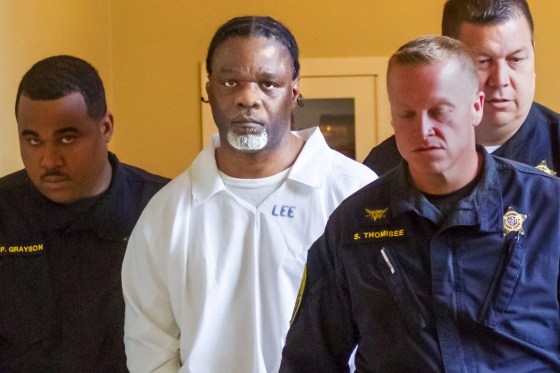
For decades, Lee’s trial was plagued by failings. His defense attorney struggled with intoxication. The presiding judge was secretly involved with the prosecutor. No DNA tests were performed on the murder weapon, victim’s clothes, or crime scene samples. Crucial evidence sat ignored while a narrative of guilt prevailed.
Witness descriptions of Lee near the scene were inconsistent and unreliable. His fingerprints did not match prints found in the house, and blood and hair evidence presented at trial linked to him only by outdated microscopic analysis. Modern DNA technology would later debunk these assumptions.
In 2021, after persistent legal pressure from Lee’s family, the Innocence Project, and others, a court approved new DNA testing. The results were decisive and devastating: the murder weapon and bloody shirt carried the DNA of an unknown male, not Ledell Lee. Hair evidence and fingerprints also failed to link him.
Despite serious past convictions for violent assaults, Lee’s guilt in the Reese murder was never proven beyond reasonable doubt. The justice system executed him on circumstantial tales rooted in racial and social prejudice. The trial highlighted a disturbing pattern of bias against a poor Black man facing a white victim’s case.
Arkansas authorities refused to delay execution to allow DNA testing, citing 𝒹𝓇𝓊𝑔 expiration and procedural expediency. The state’s rush sealed Lee’s fate, silencing any chance to uncover the truth. The lethal injection was administered without the scientific assurance that justice demands in capital cases.
Now, questions rage nationally: how could a state execute a man without conclusive physical evidence linking him to the crime? How many other death row inmates face similar fates, sacrificed for bureaucratic expedience or racial bias? The DNA evidence shows that justice was rushed—and miscarried.
Ledell Lee’s family continues to demand answers and accountability. His sister, Patricia Young, voiced the anguish of losing a brother to an unforgiving system that prioritized speed over truth. The victim’s real killer remains unidentified. Arkansas has yet to acknowledge the profound failure this case reveals.
Legal scholars condemn the failure to uphold constitutional safeguards in Lee’s trial and execution. The case exemplifies how systemic flaws, inadequate defense, and racial prejudice distort capital punishment’s grave process. The lethal injection brought death, but the truth arrived years too late to save Ledell Lee.
This story reignites fierce debate over the death penalty’s administration under pressure and its irreversible consequences. If DNA testing had been allowed before April 2017, Ledell Lee might have lived—and justice might have been served. Instead, the state extinguished a life amid profound doubt and unanswered questions.
Critical evidence shows Lee was never at the scene according to forensic science now available. His conviction rested on outdated hair analysis, shaky witness testimony, and his own violent history, which the court leveraged unfairly. This tragic case illustrates the deadly dangers of prejudice masquerading as proof.
Arkansas’s decision to expedite deaths rather than pursue scientific clarity contrasts starkly with justice ideals. The state’s first execution in over a decade intended to affirm law and order now exposes a chilling rush to judgment, overshadowed by a DNA profile of an unknown man on the murder weapon.
The court’s failure to grant Lee’s DNA testing requests before execution underscores systemic neglect. His posthumous exoneration evidence intensifies scrutiny of judicial ethics, legal representation, and prosecutorial conduct throughout the tr
ial. Secret judicial relationships tainted proceedings, deepening the miscarriage.
Public response has surged nationally, demanding thorough investigations and reforms. Advocates stress that no death sentence should proceed without comprehensive DNA examination, especially in racially charged cases. The Lee case, now emblematic of deep flaws, challenges confidence in capital punishment and calls for urgent systemic review.
As the state defends its actions, critics argue Arkansas not only killed a man but buried potential truth forever. Questions remain: who killed Deborah Reese? How many convictions rely on similar, unchecked assumptions? The shadow of Ledell Lee’s execution lingers, a stark reminder of justice denied.
Ledell Lee’s story is not one of simple innocence or guilt; it’s a cautionary tale of a justice system that failed to separate past crimes from the crime charged. It compels us to confront uncomfortable truths about race, power, and the high cost of haste in capital punishment rulings.
Four years after execution, DNA proves Lee’s innocence in the murder, revealing an unknown perpetrator remained free. The call grows louder for Arkansas and other states to overhaul death penalty protocols, ensuring science informs verdicts fully before any irreversible punishment is carried out.
The tragic saga of Ledell Lee fractures public trust in criminal proceedings and capital punishment administration. His death serves as a grim warning about consequences when law courts ignore evolving forensic science and allow racial bias to shape life-or-death decisions.
As Lee’s family mourns and justice advocates press on, this case exposes the urgent need for transparency and fairness in death penalty cases nationwide. It demands accountability from prosecutors, judges, and officials who prioritized expediency over truth, forever altering live-saving opportunities.
Arkansas’s lethal injection schedule that year, designed to circumvent legal obstacles by executing inmates en masse, revealed a disturbing prioritization of convenience above human rights. Ledell Lee’s execution was the grim opening act in this controversial campaign, now scrutinized intensely after the DNA revelations.

The DNA evidence does not erase Lee’s past crimes but isolates fact from assumption in this specific murder. His case underscores the principle that capital punishment must hinge on incontrovertible proof of the particular crime—not prior history or uncomfortable narratives.
The chilling reality persists: time took Lee’s life, but not justice. The question remains haunting: was Ledell Lee executed because of concrete evidence, or because Arkansas wanted a swift resolution, bolstered by racial bias and his criminal reputation? This question strikes at the heart of the American justice system.
Ledell Lee’s case demands urgent reforms—not only for Arkansas but nationwide—to prioritize science and ensure every death sentence withstands the highest evidentiary standards. Until then, innocent lives risk being lost in the shadows of prejudice and procedural failure.
With the execution spotlight on systemic shortcomings and racial disparities, the Lee case redefines calls for death penalty moratoriums. It challenges policymakers, courts, and society to reckon with irreversible mistakes made under pressure, revealing the human cost hidden beneath headlines.
Ledell Lee’s family remains committed to justice and truth, pressing for renewed investigations into Deborah Reese’s murder while fighting to clear his name. Their struggle symbolizes the broader demand for criminal justice reform that embraces modern science and combats entrenched discrimination.
This explosive revelation reshapes the narrative around Ledell Lee and Arkansas’s death penalty practices. The DNA evidence uncovers stark truths utterly at odds with the official conviction, exposing a profound failure that echoes far beyond this single tragic case.
As the nation grapples with the implications, one fact remains: Ledell Lee died under a shadow of doubt, his execution hastened before science could speak. The legacy of this case challenges us all to demand justice grounded in evidence—before it’s too late for others.
Now, the unknown DNA profile on the murder weapon haunts the quest for truth and justice. Who was the real killer? How many more innocent lives might be lost due to systemic failures and racial prejudice? Ledell Lee’s death calls for urgent answers and justice reinvention.

The Arkansas Department of Corrections has declined to revisit case details despite mounting evidence. Meanwhile, advocates intensify efforts to reform forensic testing policies and prevent similar tragedies. The Lee case stands as a stark admonition against sacrificing thoroughness for expediency in life-or-death decisions.
Ultimately, Ledell Lee’s execution underscores a haunting question: what is justice when all evidence points away, yet death comes anyway? His story demands a reck