The specter of a two-decade-old hip-hop feud has violently resurfaced, casting a long shadow over a shocking armed robbery in Dallas. The alleged kidnapping and assault of rap icon Gucci Mane by his own artist has ignited a firestorm of cultural commentary, with the ghost of his bitter rivalry with Jeezy dominating the conversation.
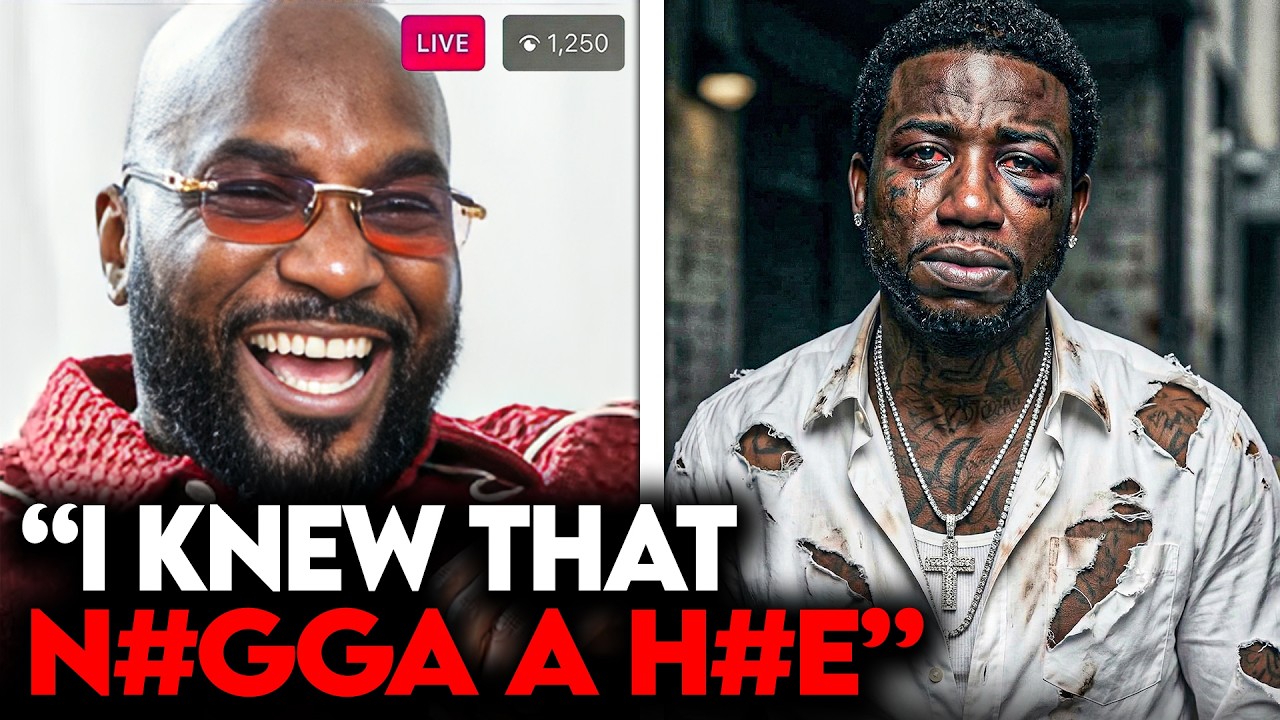
The incident, which occurred in January 2026, saw rapper Pooh Shiesty and eight accomplices allegedly ambush Gucci Mane in a recording studio. Federal prosecutors detail a harrowing scene where Shiesty, brandishing an AK-style pistol, forced Gucci to sign contract termination papers.
While Gucci and his associates were robbed of jewelry, cash, and dignity, the digital aftermath proved damning. Suspects flaunted stolen goods on social media, while ankle monitors and license plate readers created an airtight federal case. Nine individuals now face life sentences on kidnapping charges.
Yet, within hours of the news breaking, the hip-hop internet’s focus pivoted decades backward. Comments flooded social media with a pointed comparison: “Jeezy would never.” This statement, a direct reference to Jeezy’s famed street credibility, ripped open a wound that has never fully healed.
To understand the weight of that phrase, one must return to Atlanta in 2005. Then-collaborators Gucci Mane and Jeezy became sworn enemies after a dispute over the song “Icy.” Jeezy claimed Gucci used the track without permission or payment to launch his own career.
The beef escalated beyond diss tracks. Jeezy’s song “Stay Strapped” famously placed a bounty on Gucci’s chain. Weeks later, a violent home invasion targeting Gucci turned deadly. Gucci shot and killed an intruder, Henry “Pooky Lock” Clark III, who was a signed artist on Jeezy’s CTE label.

Though murder charges against Gucci were dropped, the cloud of suspicion linking the robbery to the rap feud never dissipated. This event became foundational to Gucci’s mythology, a story of survival he referenced for years, including a stunning confrontation at the 2020 Verzuz battle.
At that event, Gucci played a diss track referencing Pooky Lock while staring directly at Jeezy. The tense moment was followed by a seemingly reconciliatory performance of “Icy,” offering fleeting hope for peace. The Dallas robbery six years later shattered that illusion entirely.
The immediate evocation of Jeezy’s name highlights hip-hop’s long memory. It draws a stark, if unfair, parallel between two violent contract disputes separated by twenty years. One involved an artist allegedly defending himself from unknown assailants connected to his rival.
The other involved an artist allegedly orchestrating an attack against his own mentor. The cultural commentary implicitly contrasts Jeezy’s perceived unwavering stance with Gucci’s forced compliance, despite the vastly different contexts of survival in each situation.
Industry reactions have been swift and layered. 50 Cent referenced the 2005 shooting, while Rick Ross condemned the violence but acknowledged underlying business frustrations. Waka Flocka Flame, despite past issues with Gucci, defended him and distanced himself from the drama.
The most resonant voices, however, have been silent. Gucci Mane has issued no statement, a stark departure for the normally vocal mogul. Jeezy has maintained complete radio silence, allowing the echoed sentiments of “Jeezy would never” to speak volumes in his stead.

This silence underscores the robbery’s deeper cultural impact. It challenges a legacy built on being untouchable. Gucci Mane, the man who famously shot his way out of a robbery, was forced to sign papers at gunpoint. The narrative whiplash is profound.
Furthermore, the incident exposes a grim reality of the music industry’s dark side. It highlights the desperate, often destructive actions artists may take when feeling trapped in exploitative contracts, though no legal justification exists for the alleged armed kidnapping.
The federal justice system is now moving. With overwhelming evidence, prosecutors seek life sentences for Pooh Shiesty and his co-defendants. This legal reckoning, however, operates separately from the court of public opinion, where a much older trial continues.
The 2026 Dallas robbery is more than a crime story. It is the latest, most violent chapter in a saga that has defined Atlanta hip-hop for a generation. It proves that in this world, history is not a footnote but a living, breathing force.
It reminds us that legacy is fragile, and that the stories we tell about loyalty, strength, and survival are constantly being tested and rewritten. The final verdict on this chapter awaits, but the echoes of 2005 will resonate long after the courtroom gavel falls.