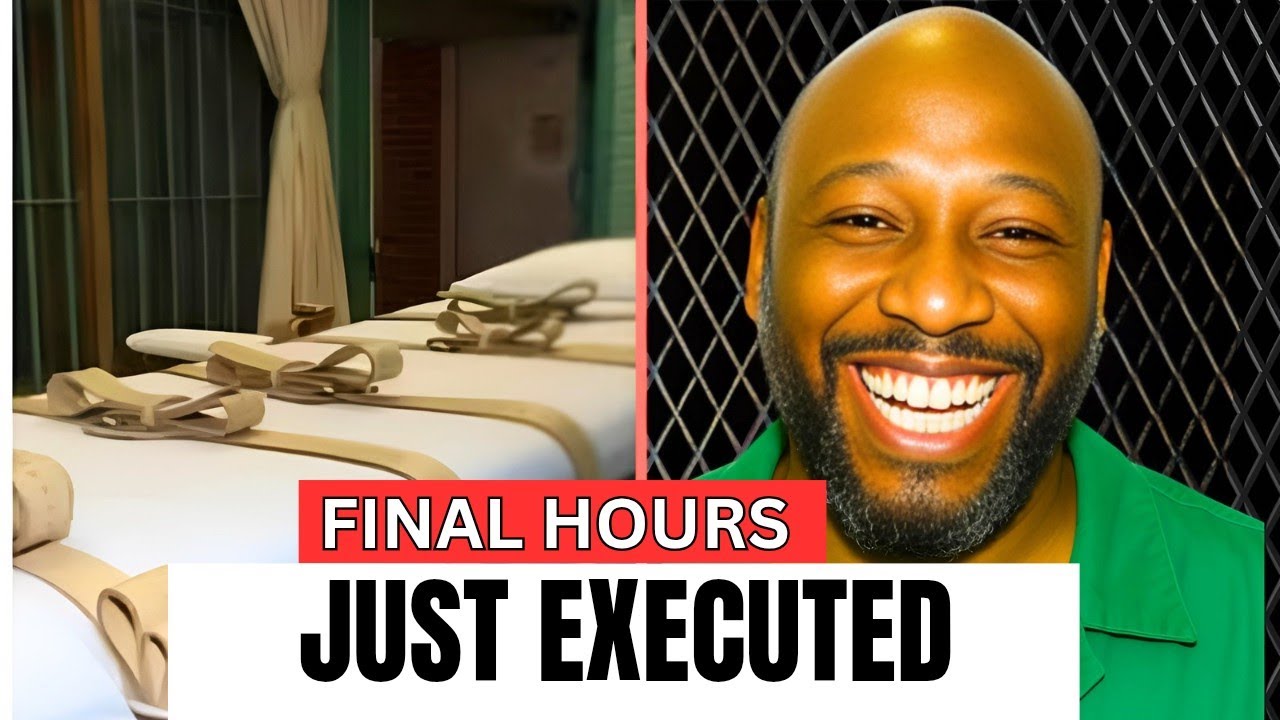
Freddie Eugene Owens was executed in South Carolina on September 20th, 2024, ending a decades-long saga marked by brutal crimes, legal battles, and last-minute controversies. Owens’ death culminated a chilling story of murder, prison violence, and religious conviction that gripped the state and reignited debates over capital punishment.
Owens’ crime spree began on November 1st, 1997, with the fatal shooting of Greenville gas station clerk Irene Graves during a robbery. At just 19, Owens, masked and armed, demanded the safe be opened. When Graves failed, he shot her in cold blood. The crime robbed three children of their mother and shocked the community.
Testimony from Owens’ co-defendant, Steven Golden, initially secured Owens’ conviction. Golden identified Owens as the triggerman, a statement critical to the death sentence. Yet, just hours before the execution, Golden swore he lied, claiming Owens was not present at the crime scene. Despite this, the South Carolina Supreme Court denied emergency appeals to halt the execution.
Only days after his conviction, Owens struck again behind bars. In a violent outburst, he murdered his cellmate, Christopher Brian Lee, a man incarcerated for a minor traffic offense. Owens attacked with savage ferocity—stabbing, strangling, and burning Lee’s face in a rage triggered by taunts about Owens’ conviction.
Inside the Greenville County Jail cell, Owens’ relentless 𝒶𝓈𝓈𝒶𝓊𝓁𝓉 left Lee dead in agonizing circumstances. Owens confessed openly the next day in court, unremorseful and defiant. The court promptly sentenced him to death for the second murder, cementing his status as a dangerous inmate beyond rehabilitation.
Freddie Owens’ early life was marked by instability, 𝓪𝓫𝓾𝓼𝓮, and trauma. Born in 1978, he was removed from his mother’s custody due to neglect, shuffled through foster care, and returned to a violent household. Witnessing a shooting at age seven and enduring ongoing 𝓪𝓫𝓾𝓼𝓮 fueled the scars Owens carried into adulthood.
Diagnosed with antisocial personality disorder, Owens struggled with anger and authority his entire life. His troubled upbringing, combined with early exposure to violence, shaped a man whose violent acts shocked the state. Despite numerous legal challenges, his death sentence withstood appeals for more than two decades.
In 2015, Owens converted to Islam and embraced a spiritual path, adopting a new name, Khalil Divine Black Son, Allah. His faith guided him in prison—studying Arabic, composing poetry, and reflecting on African history. Yet, his convictions complicated his execution options, as Islamic teachings forbade him from choosing his death method.
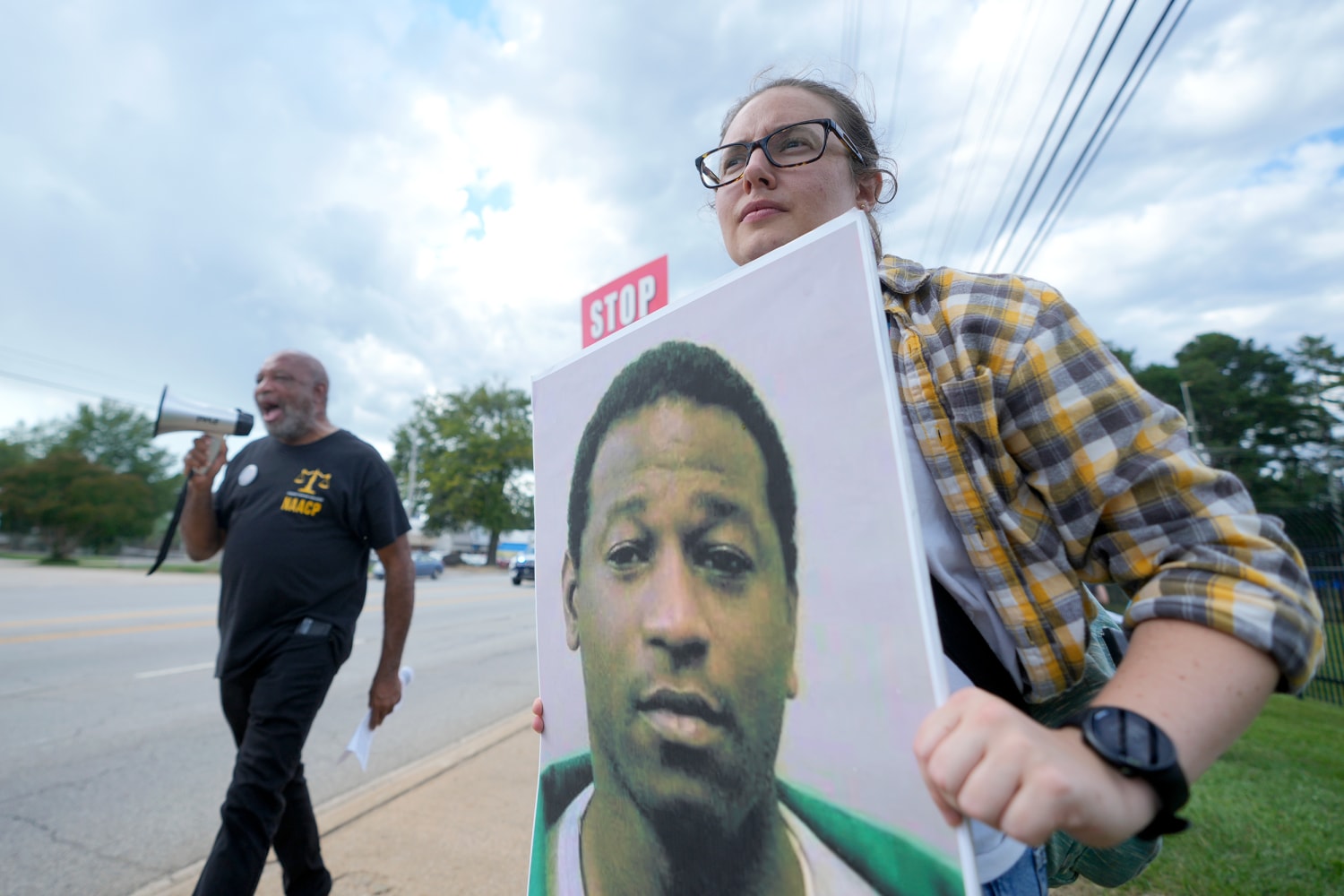
Given the choice between lethal injection, electric chair, or firing squad, Owens refused to select, leaving the decision to his lawyers—a rare move motivated by religious conviction rather than a delay tactic. His attorneys chose lethal injection on his behalf, setting the final chapter for Owens’ long incarceration.
On the day of execution, Owens’ final meal consisted of two cheeseburgers, French fries, a ribeye steak, six chicken wings, two strawberry sodas, and apple pie. He ate quietly, alone, reserving his energy for the final moments. Faith and silence defined his last hours before the state carried out its irreversible sentence.
At 6:36 p.m., the execution process began with the administration of pentobarbital. Owens lay strapped to the gurney, offering a faint goodbye to his attorney. Witnesses observed his calm breathing and composed demeanor as life ebbed away. By 6:54 p.m., medical personnel confirmed Owens’ death, bringing closure to a grim saga.
Family members of both victims, Irene Graves and Christopher Lee, were present to witness the execution. Their vigil marked the somber end of a process spanning nearly 27 years. For them, it was finality; for the justice system, the resumption of capital punishment after a lengthy hiatus in South Carolina.
Owens’ case reopened debates on the death penalty’s morality, efficacy, and timeliness. His story intertwined law, faith, and cruelty in a way few cases do. It challenged the state to reconcile justice for victims with the prolonged agony faced by condemned inmates and those fighting for second chances.
Despite last-minute appeals, Owens’ execution underscored the limitations of the legal system in overturning verdicts based on decades-old testimony and confessions. The court’s dismissal of Golden’s recantation reflected a reliance on established evidence over new, uncorroborated claims in capital cases.
Throughout his long imprisonment, Owens remained defiant and complex. His transformation into a devout Muslim did not erase his violent past or the suffering he caused. Instead, it added layers to a narrative about redemption, identity, and the human capacity for change—even as the state prepared to end his life.
Owens never addressed the families of his victims during his final hours. His only words were whisperedfarewells to his lawyer, conveying quiet acceptance rather than remorse. The absence of a grand statement left lingering questions about his motivations and the meaning of justice in cases like his.
The execution at Broad River Correctional Institution was South Carolina’s first in 13 years, symbolizing a renewed chapter in the state’s use of capital punishment. It sent a clear message about the state’s resolve to enforce its laws despite complex legal and ethical challenges surrounding the death penalty.

This final act closed a case that began with cold-blooded murder, spiraled through intense prison violence, and culminated in decades of unresolved legal wrangling. Freddie Eugene Owens’ life and death exemplify the tragic intersections of crime, punishment, and the quest for closure by victims’ families and society at large.
As South Carolina moves forward, Owens’ execution will echo as a somber reminder of the human cost behind headline-making crimes and the complexities embedded in administering ultimate justice. The debates sparked by his case will persist, reflecting ongoing tensions about punishment, mercy, and the power of the state over life and death.
Source: YouTube