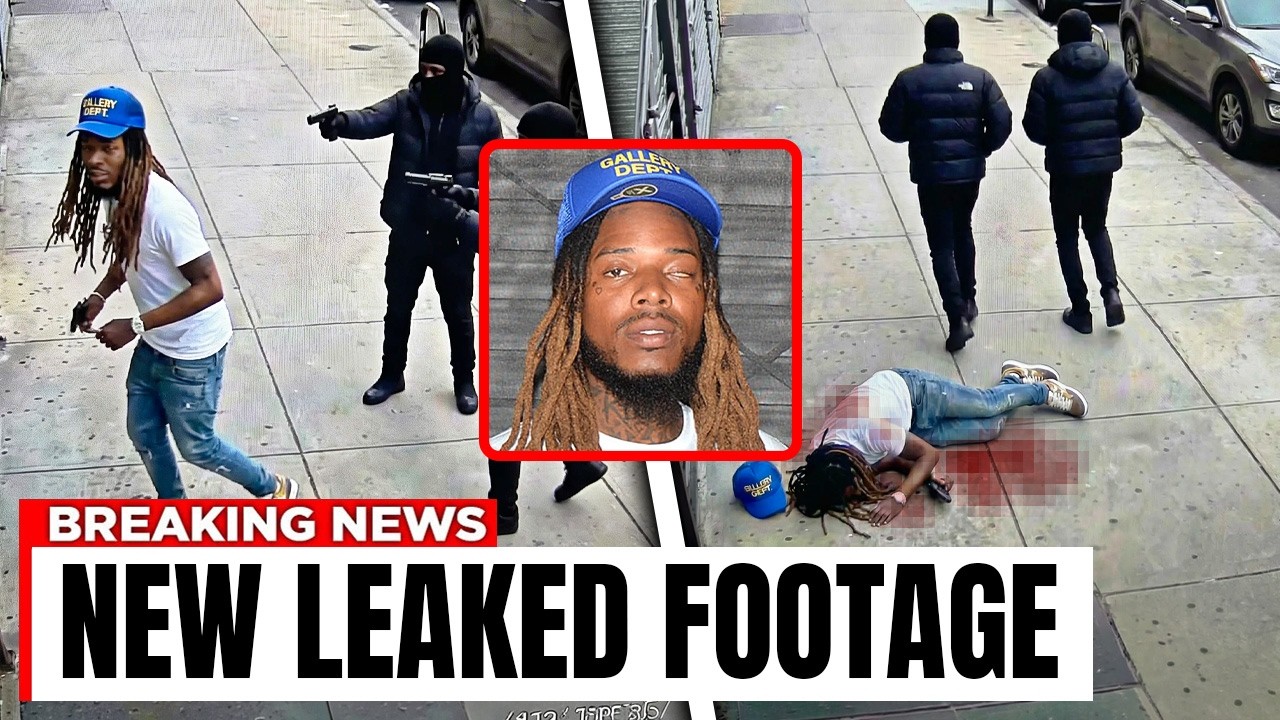
A newly surfaced surveillance video depicting the brazen daylight robbery of Fetty Wap’s longtime associate has ignited a firestorm online, forcing a painful reckoning with loyalty, street codes, and the unending dangers of the very neighborhoods that birthed hip-hop’s biggest stars. The 51-second clip, which spread virally on April 2, 2026, shows rapper Fuzzy Fazu being surrounded by masked assailants on a Paterson, New Jersey, street before calmly surrendering his jewelry.
The incident serves as a grim echo of the 2017 armed robbery that targeted Fetty Wap himself, dragging the conversation back to the volatile streets of Paterson. This latest event, however, has sparked intense debate for a starkly different reason: the immediate and total flight of Fuzzy Fazu’s own crew at the first sign of danger. The visual contrast has become the story’s central, uncomfortable focus.
In the footage, a black SUV pulls up as Fuzzy Fazu stands with a group. Several armed, masked individuals exit and quickly encircle him. The response from his associates is instantaneous and unanimous; they scatter in every direction, leaving him completely isolated. Fazu remains composed, handing over multiple heavy chains without resistance before the assailants flee.
The robbery’s execution stands in sharp contrast to the chaotic 2017 incident involving Fetty Wap. That early-morning deli confrontation, tied to a known beef with promoter Raheem Thomas, escalated into a wild shootout that wounded three men. Fetty Wap’s signature 1738 chain, valued at a fortune, was stolen. His crew, however, stood firm during the violence.
Fetty Wap’s subsequent refusal to cooperate with police, choosing instead to let “the streets handle it,” cemented his adherence to a code born in those same Paterson blocks. This latest robbery, occurring barely three months after Fetty’s early release from federal prison, tests that very code under a new, glaring spotlight.
Public reaction has fractured. Many commend Fuzzy Fazu’s survival-minded composure, arguing his compliance prevented a fatal outcome. Yet a louder, more visceral discourse condemns the actions of his fleeing crew, viewing it as a fundamental betrayal of the loyalty Fetty Wap has long championed as his core ethos.
The rapper himself has historically framed this loyalty as non-negotiable. In past interviews, he explained putting his brother Monty on songs as “real loyalty” and famously stated, “Everybody might not be loyal to their block, but for the most part, if you’re from that block, you’re loyal to that block.” The viral footage now painfully interrogates that principle.

This event transcends a simple crime report, tapping into deep-seated cultural anxieties about authenticity and brotherhood in the rap industry. It questions the safety of artists returning to their roots and the integrity of crews formed in the crucible of street life. The term “New Jersey Goons” is now trending and is merely slang for the still-unidentified perpetrators.
No suspects have been arrested, and no official statements have been issued by police, Fetty Wap, or Fuzzy Fazu. This silence itself speaks volumes, aligning with the entrenched “no snitch” protocol. The community is left to dissect the imagery and its implications in a vacuum, with speculation about potential setups running rampant online.
For Fetty Wap, the timing is particularly cruel. His January release was framed as a new beginning, a chance to focus on music and mental peace after the tragic loss of his daughter and a federal prison stint. He spoke of controlling his temper and shedding pride. This robbery violently re-anchors his narrative to the very trauma he sought to escape.
The stolen chains are more than flashy accessories; they are potent symbols of success, identity, and collective struggle. Their violent removal in both 2017 and 2026 represents how quickly the streets can reclaim what they helped create. The footage is a brutal reminder that fame and fortune are poor armor against old dangers.
This incident forces an uncomfortable examination of the social contracts within hip-hop. It highlights the disparity between the romanticized ideal of ride-or-die loyalty and the often pragmatic instinct for self-preservation. The digital age amplifies this, turning private trauma into public spectacle and trial.

The broader context of Fetty Wap’s career—his rise from Paterson’s challenges, his global success with “Trap Queen,” his profound personal losses, and his legal battles—forms the heavy backdrop against which this robbery is viewed. It is not an isolated event but another chapter in a complex, often-tragic saga.
As the video continues to circulate, the unanswered questions loom larger. Will the street code Fetty Wap embodies lead to any form of retaliation or resolution? How does an artist rebuild when the foundations of trust appear so fragile? The culture watches and waits, knowing the answers, if they come, will likely unfold in silence.
The ultimate message of the viral clip is a sobering one: the transformation from local hero to national star does not rewrite the rules of the environment that forged you. The blocks that give you your story can also take everything back, sometimes with the complicity of silence or the betrayal of flight. The path forward for Fetty Wap and his 1738 crew now appears more fraught than ever.
This story remains in motion, a raw wound in the community. The surveillance tape provides evidence but no clarity, offering a glimpse of a crime while obscuring the deeper truths about allegiance and survival. In the end, the most damaging theft may not be the jewelry, but the perceived erosion of a bond once considered unbreakable.