In a harrowing chapter of American justice, Reuben Montoya Cantu, executed in Texas at just 26 years old, remains a figure of deep controversy. His conviction for a brutal 1984 robbery-murder has sparked debates over wrongful convictions and the death penalty, especially concerning juvenile offenders. The haunting questions surrounding his case persist.

On November 8, 1984, two construction workers, Pedro Gomez and Juan Moreno, became victims of a gruesome robbery in San Antonio. As they slept in a vacant house, Cantu, then just 17, and his accomplice David Garza, attacked them. The violence escalated, resulting in Gomez’s death and Moreno’s near-fatal injuries.
Cantu was arrested months later, but the investigation was riddled with inconsistencies. Initially, Moreno could not identify Cantu, and doubts lingered about the accuracy of witness testimonies. It wasn’t until a police officer’s shooting incident involving Cantu that the murder case was reopened, leading to Moreno’s eventual identification of him.
The trial in 1985 relied heavily on Moreno’s testimony, which became the cornerstone of the prosecution’s case. Despite Cantu’s claims of innocence and assertions that he was framed, the jury convicted him, sentencing him to death. This verdict made him one of the youngest individuals on death row in Texas.
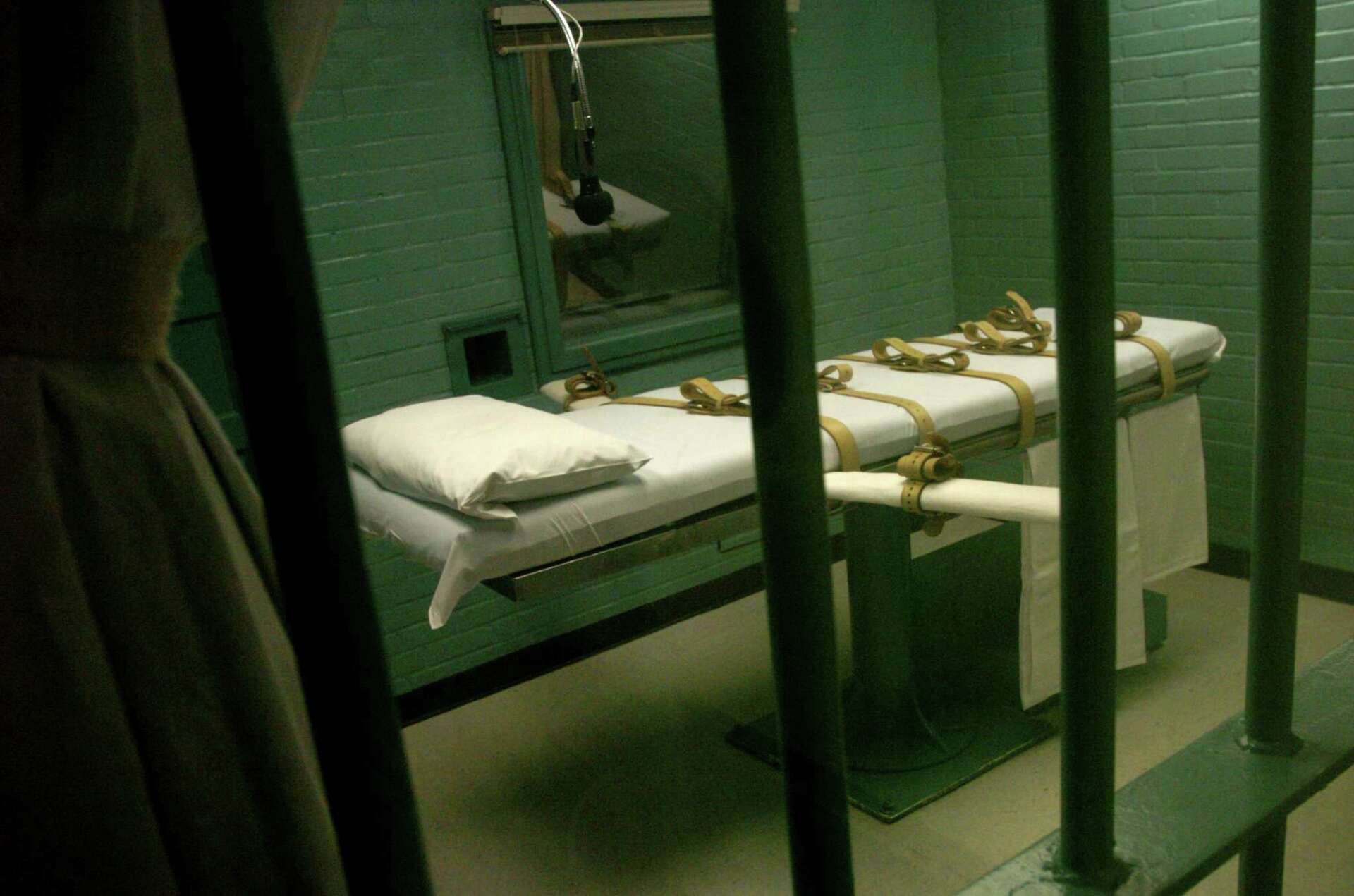
Cantu’s execution took place on August 24, 1993, amid a growing chorus of voices questioning the integrity of his conviction. His last meal request—a piece of chewing gum—was denied, and his final words were a brief, chilling “No, sir,” when asked if he had a statement. This silence has only fueled speculation about his innocence.
In the years following his execution, significant developments emerged. Key figures, including the surviving victim and the prosecutor, retracted their statements, expressing doubts about Cantu’s guilt. Sam Milsap, the district attorney who prosecuted Cantu, later admitted that the pursuit of capital punishment often lacks the certainty needed for such irreversible decisions.
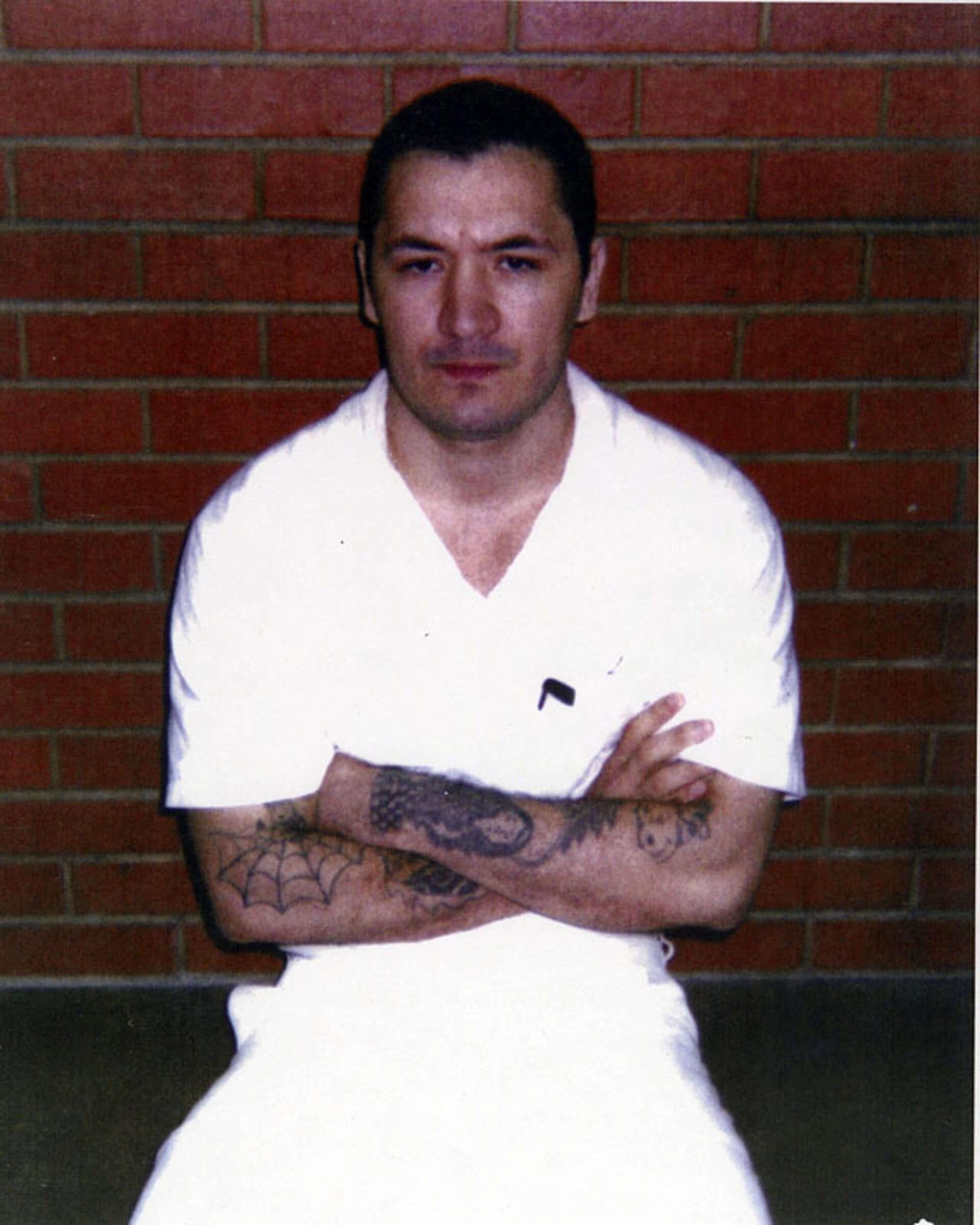
The case of Reuben Cantu stands as a stark reminder of the flaws within the judicial system, particularly concerning the death penalty for juveniles. As new evidence continues to surface, the haunting question remains: how many lives have been irrevocably altered by the specter of wrongful convictions?
Cantu’s story resonates deeply, raising vital questions about justice, the reliability of witness accounts, and the moral implications of capital punishment. As society grapples with these issues, the tragic legacy of Reuben Montoya Cantu serves as a cautionary tale of the potential for grave mistakes in the pursuit of justice.