The streets of Chicago have forged a new kind of urban legend, one born not from musical success but from a terrifying reputation for violence that eclipses the fame of the city’s top drill rappers. The figure known as Big Jilla, a failed rapper turned alleged enforcer, has become the most feared name in certain neighborhoods, his mythos constructed from street rumors, social media speculation, and a chilling public endorsement from rising star Vonoff 1700.
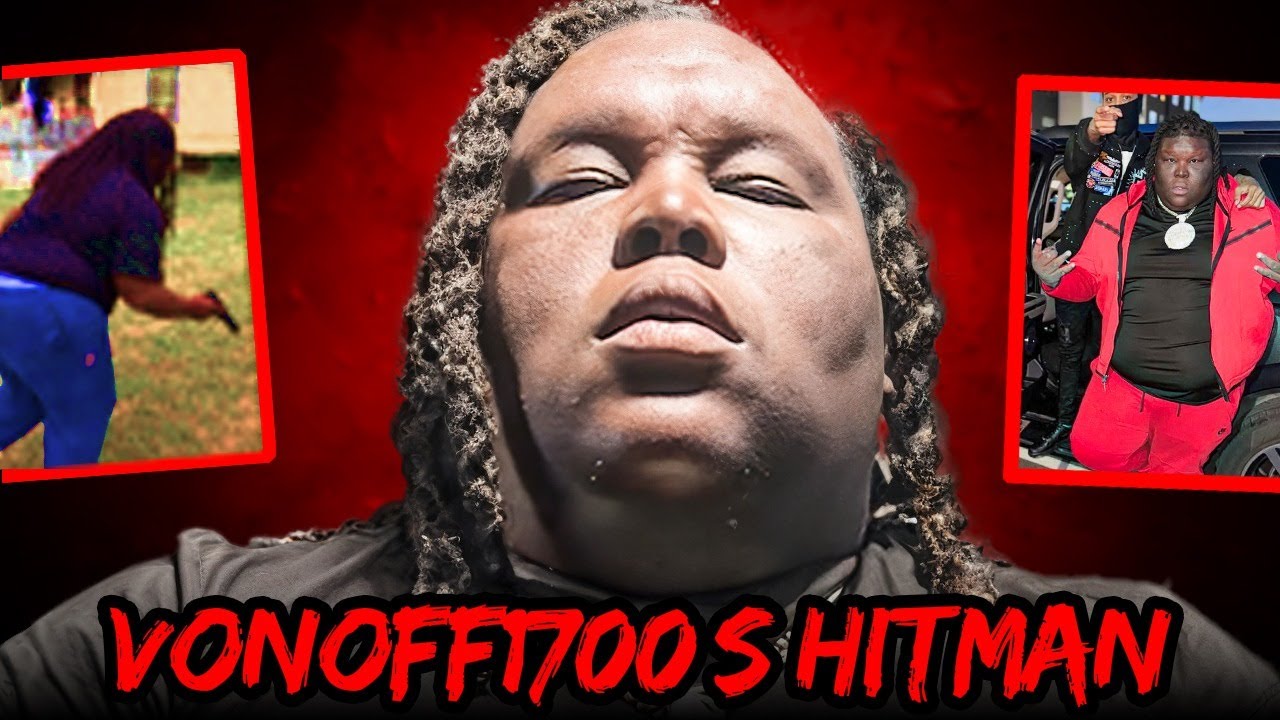
His journey from obscurity to infamy began in one of the city’s most dangerous districts, where gunfire is background noise and memorial murals outnumber graffiti. Locals describe a child who was physically imposing by age twelve, his quiet intensity commanding respect from older gang members. The environment seemed to sculpt him for a singular purpose, his size and demeanor making violence appear a natural language.
A brief foray into drill music during the genre’s explosive growth proved futile. While peers gained traction, Jilla’s low-quality videos and freestyles languished without views or buzz. This artistic failure reportedly served as a brutal confirmation; his value was not in the booth but in the streets, where a different kind of credibility was currency.
Public records and persistent street gossip from that period sketch a pattern of involvement with shootings and gun charges. His name circulated in connection with multiple incidents targeting rival gang members. While long prison sentences were avoided—a common outcome in communities where witness cooperation is nonexistent—each dismissed case only burnished his legend of being untouchable.
His path converged decisively with the rise of Toss Gang, a crew solidifying its identity with block parties and social media bravado. Jilla was a foundational presence, the silent, massive figure in the background whose role appeared less about online clout and more about raw enforcement, ensuring the gang’s claims were never tested.

The dynamic crystallized with his alliance to Vonoff 1700, the charismatic rapper whose music was gaining real attention. Their relationship was symbiotic: Vonoff provided a platform and entry into the music scene, while Jilla provided the ultimate authenticator—genuine, intimidating protection. In videos and Instagram lives, Jilla’s mere presence beside the rapper added a layer of dangerous credibility.
It is here that the narrative shifts from street reputation to dark allegation. Multiple hood news pages, social media investigators, and drill commentators began reporting a consistent, specific rumor: Big Jilla was Toss Gang’s primary enforcer and Vonoff 1700’s personal hitman. He was the man allegedly called when situations required permanent, violent resolution.
These claims found grim anchorage in a viral clip. During an Instagram live session, Vonoff 1700 joked, “Jilla can run you down, even if you’re in a car. That’s how big and fast he is.” The comment, delivered with chilling casualness, was seized upon as a tacit confirmation of Jilla’s feared capabilities, transforming a boast into a widespread warning.
His reputation achieved a mythical status that transcended typical gang notoriety. Parents allegedly warned children about him by name. Online, fans compared his imposing physique to video game titans. Even rivals, in unguarded moments, acknowledged he was not to be tested. His failure as a rapper was reframed as proof of his authentic, terrifying commitment to street life.

The current whereabouts of Big Jilla are shrouded in the same mystery that defined his rise. Conflicting reports suggest he may be incarcerated, lying low outside the city, or simply operating with greater stealth. Some whispers insist he remains a shadow beside Vonoff, ready to reappear.
This story exposes the grim intersection of drill music and gang violence, where artistic authenticity is fiercely guarded and often sourced from individuals living the realities rappers describe. Jilla’s alleged evolution from aspiring artist to alleged enforcer highlights how limited opportunities can funnel specific talents toward violence, making it a viable, if deadly, career path.
His legend is a stark product of an environment that demands certain roles be filled. The streets that ignored his music instead amplified his reputation, crafting a cautionary tale that underscores the human cost of a culture where legendary status is too often earned not by artistry, but by the capacity for brutality. The tale of Big Jilla remains an unsettling chapter in the complex saga of Chicago’s drill scene, a reminder of the very real dangers that pulse beneath the genre’s booming beats.
Source: YouTube