STARKE, Fla. — Michael Lee King, the man who kidnapped, raped, and murdered 21-year-old Denise Amber Lee in a 2008 crime that exposed catastrophic failures in Florida’s 911 system, was executed by lethal injection Tuesday evening at Florida State Prison.
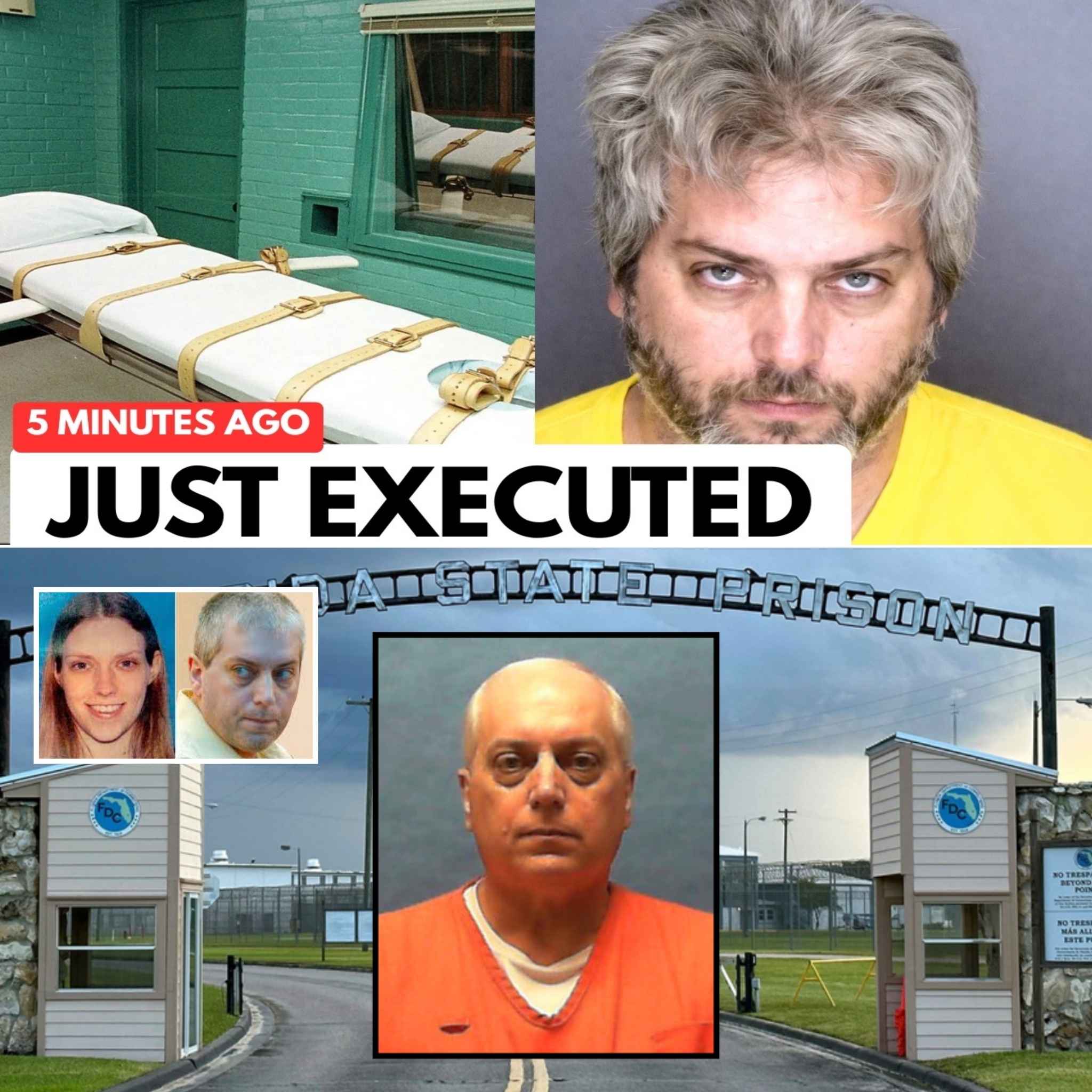
He was pronounced dead at 6:13 p.m. on March 17, 2026, ending a 17-year legal odyssey on death row. The execution, the fourth in Florida this year, was carried out after the U.S. Supreme Court rejected a final appeal without comment.
King, 54, offered no direct apology in a nearly inaudible final statement. He spoke of finding Jesus in prison and loving his neighbor, “to include everyone, my family, Denise Lee’s family, everyone in the gallery.”
His words drew a sharp rebuke from Denise Lee’s father, Rick Goff, a retired sheriff’s sergeant. “If you can’t say something from your heart, don’t say it,” Goff stated after witnessing the execution. “That’s all. That’s everything.”
The victim’s husband, Nathan Lee, and their son Noah, who was two years old when his mother was abducted, also witnessed the execution. They wore pink, Denise’s favorite color.
“I’m just super blessed that I got to know Denise, let alone marry her, and have two amazing kids with her,” Nathan Lee said afterward. He described a feeling of relief and a readiness to close this chapter.
Noah Lee, now a young adult, reflected on a lifetime of loss. “I unfortunately didn’t get the opportunity to know her and be raised by her,” he said.
The crime that led to this moment occurred on January 17, 2008, in North Port. King, an unemployed plumber facing foreclosure, selected Denise Lee at random as she stood outside her home.
He abducted her, leaving her two young sons alone, and took her to his house, where he sexually assaulted her. He then forced her into his car and drove to a relative’s home to borrow a shovel, flashlight, and gas can.

What followed was a harrowing series of missed opportunities for rescue. Bound in the back seat, Denise Lee managed to call 911 from King’s cell phone. The six-minute recording captured her desperate pleas to see her husband and children again.
Simultaneously, at least four other calls flooded 911 lines. A motorist who pulled alongside King’s car reported a possible child abduction, stating she could see a woman screaming and banging on the windows.
Crucially, that witness’s call went to a different county’s dispatch center. The critical information was never relayed to the deputies searching for Lee.
In a staggering lapse, a Florida state trooper even stopped King’s green Camaro, which matched a witness description. The trooper spoke with King but did not see Lee. King was allowed to drive away.
After the traffic stop, King drove Denise Lee to a remote area near a canal. He shot her in the face and buried her in a shallow grave. Her body was discovered two days later.
Her father later revealed that even in her final moments, his daughter fought for justice. She deliberately planted evidence—hiding strands of her hair and leaving fingerprints in King’s car.
“She was a hero,” Goff has said repeatedly.
The evidence against King was overwhelming. DNA, cell phone records, and witness testimony led to his swift arrest and 2009 trial. His defense centered on a childhood brain injury they argued impaired his impulse control.
A Sarasota County jury found him guilty of first-degree murder, kidnapping, and sexual battery. They unanimously recommended the death penalty.
For 17 years, King’s attorneys filed appeals, arguing the brain injury evidence was insufficiently considered and challenging death penalty procedures. Every court, including the nation’s highest, ultimately denied him.
Denise Lee’s legacy, however, extends far beyond the courtroom. Her death catalyzed immediate reform. The Florida legislature unanimously passed the Denise Amber Lee Act in 2008.
The law mandated enhanced, standardized training for 911 call-takers and dispatchers statewide to prevent the communication failures that doomed her.

Nathan Lee founded the Denise Amber Lee Foundation, spending nearly two decades advocating for 911 system improvements across the United States and internationally.
“We all take 911 for granted,” he has often said. “We don’t ever think about it until we need to dial the number.”
On Tuesday, the long path that began with a random, brutal abduction reached its prescribed end in the execution chamber at Florida State Prison.
Witnesses reported King’s breathing grew heavy after the lethal drugs were administered. His arms shook and his body twitched before all movement ceased.
A final check by the warden and a medic confirmed his death at 6:13 p.m.
For Nathan Lee, the execution represents not an end, but a continuation of a mission born from tragedy. He has vowed to keep working to ensure other families never endure the same systemic failures.
“I’ve been walking toward that light for 18 years,” he said before the execution, describing it as the end of a dark tunnel.
Denise Amber Lee’s story remains a searing testament to a life brutally cut short, a family’s relentless pursuit of justice, and a legacy etched into law that continues to save lives.
Source: YouTube