Joseph Edward Corcoran was executed in Indiana early this morning, ending a harrowing saga that spanned more than three decades. Convicted of murdering his brother, sister’s fiancé, and two friends in 1997, Corcoran’s execution marks the first in Indiana in 15 years, reopening debates on justice, mental illness, and the death penalty.

At 12:44 a.m. on December 18, 2024, Joseph Corcoran, 49, died by lethal injection inside Indiana State Prison in Michigan City. The single dose of pentobarbital flowed through an IV, completing the execution in eight tense minutes. Witnesses observed through a one-way mirror, with some blinds closing during the final moments, shrouding his last seconds in secrecy.
Corcoran’s pastor, Reverend David Leitzel, who had known him since childhood, stood quietly by his side. When asked if he had final words, Corcoran’s chilling reply was, “Not really. Let’s get this over with,” a somber echo of the 27 years he spent on death row, marked by silence and suffering.
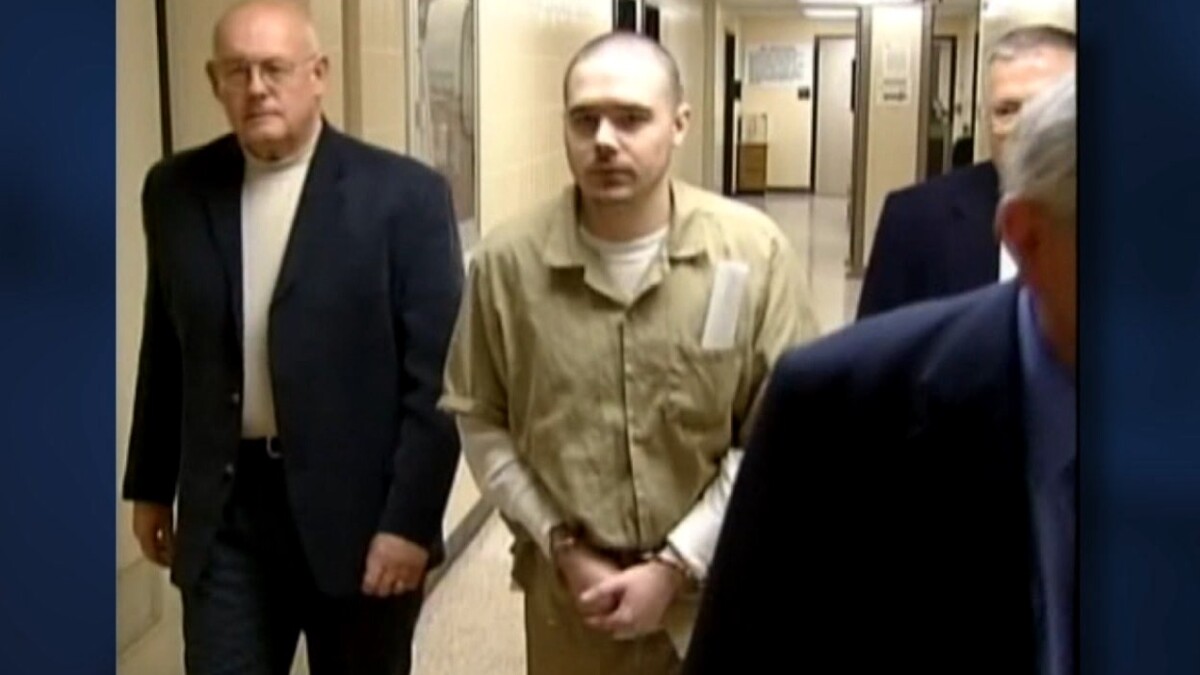
This execution ended Indiana’s 15-year halt in carrying out death sentences, a pause largely attributed to the scarcity of lethal injection drugs. The state resumed capital punishment in 2024 after acquiring pentobarbital, a 𝒹𝓇𝓊𝑔 typically used to euthanize animals, spurring urgent ethical and legal debates throughout the year.
Joseph Corcoran’s crime was monstrous: the 1997 cold-blooded murder of four men in Fort Wayne, including his own brother, sister’s fiancé, and their two friends. Armed with a rifle, he shot them in a violent outburst fueled by paranoia and resentment over his sister’s imminent move from their shared home.

This story, however, does not begin with these killings. It traces back to 1992 when a 16-year-old Corcoran was charged but acquitted for allegedly murdering his parents at their Ball Lake home. The shotgun used in that crime was never found, and the evidence was purely circumstantial, leaving the jury with reasonable doubt.
Despite the acquittal, most jurors believed Corcoran was responsible for his parents’ deaths, but legal standards prevented his conviction. He walked free, returning home to the family who defended him fiercely, unaware of the darkness growing inside him—a darkness that would explode into further violence five years later.
His early years were marked by isolation, resentment, and a difficult relationship with his strict parents and domineering brother. Diagnosed with prodromal schizophrenia in 1992, the warning signs of his deteriorating mental health were never communicated to his family, who ultimately bore the tragic consequences of this silence.
In 1997, Corcoran’s mental illness culminated in a brutal massacre. He believed the men in his sister’s home were plotting against him, voices in his head mixing with reality to justify deadly violence. Before the shooting, he protected his 7-year-old niece by locking her safely away, demonstrating chilling premeditation.
The execution of four men by a 22-year-old with a broken mind was swift and merciless. James Corcoran, Robert Turner, Timothy Bricker, and Douglas Stillwell died within seconds, their ordinary afternoon shattered by a hail of bullets. One victim even ran before being fatally shot in the kitchen, the horror unfolding in mere moments.
Corcoran’s arrest was immediate, and he confessed without resistance. His bedroom yielded a terrifying arsenal, including over thirty firearms and violent literature like The Turner Diaries, exposing a darker preparation for chaos lurking beneath his troubled exterior. This was no impulsive breakdown—this was a planned eruption of violence.
The family was devastated beyond repair. Kelly Corcoran, his sister, who had defended him in 1992, was left grieving multiple losses. She openly condemned her brother’s actions yet later expressed regret, forgiveness, and a plea to halt the execution, highlighting the complex human story entwined with these crimes.
Legal battles stretched over 25 years, fueled by Corcoran’s severe paranoid schizophrenia. His defense team argued that executing a man with such profound mental illness violated constitutional protections, citing his distorted reality and pleas to die not as justice but as escape from imagined torture.

Corcoran’s appeals went through the Indiana Supreme Court seven times and the U.S. Supreme Court thrice, each upholding his death sentence despite growing concerns about his competency and mental state. The case illuminated profound failures in diagnosing and treating mental illness within the justice system.
His final weeks were marked by desperate last-minute appeals from churches, family, and even the first prosecutor, all urging clemency on moral and medical grounds. Governor Eric Holcomb remained resolute, authorizing the execution just before Christmas, a decision that reignited fierce debates over capital punishment ethics in mentally ill defendants.
On the eve of execution, a crowd gathered peacefully outside the pris
on, carrying bells and signs protesting the death penalty. Inside, Corcoran shared intimate moments with his wife, Dee Tahina, reflecting their enduring bond despite his dark history. His last meal was simple—Ben & Jerry’s ice cream—before the state took his life.
The aftermath has not quieted the haunting questions. Could early intervention have altered Corcoran’s path? If the 1992 schizophrenia diagnosis had been shared and treated, might the devastating murders of 1997 have been prevented? These haunting uncertainties linger, exposing cracks in mental health and criminal justice systems.

Joseph Corcoran’s life is a devastating ledger of six deaths—his parents, then four more victims—destroying an entire family and a community. His story is a stark reminder of how mental illness, missed warnings, and a system struggling to balance justice and mercy can culminate in tragedy.
As Indiana resumes executions, Corcoran’s case stands as a somber testament to the complexities and consequences entwined in capital punishment, mental health, and familial destruction. It forces a reckoning with the law’s capacity to administer justice in the most tortured and complicated human stories.
This case will remain a landmark, prompting urgent reflection on how society handles mental illness within the criminal justice framework and whether it can morally carry out death sentences on those whose minds are fractured beyond repair.
Now, as Joseph Corcoran lies silent, the echoes of his victims’ lives and family grief raise difficult questions for Indiana, the nation, and anyone grappling with the darkest intersections of crime, punishment, and humanity’s capacity for mercy.
Source: YouTube