In a historic federal execution marking an end to a dark chapter of American terror, Timothy McVeigh was put to death on June 11, 2001, nearly six years after detonating a deadly bomb that claimed 168 lives in Oklahoma City, sealing his fate as one of the nation’s most notorious domestic terrorists.

Timothy McVeigh, a 26-year-old Gulf War veteran, orchestrated the deadliest domestic terrorist attack in US history on April 19, 1995. Using a rented yellow Ryder truck, he parked outside the Alfred P. Murrah Federal Building in downtown Oklahoma City before igniting a massive bomb. The explosion obliterated an entire section of the nine-story structure within seconds.
The blast caused catastrophic destruction, collapsing floors and shattering windows across a 16-block radius. Among the victims were innocent federal workers and 19 children in the daycare located on the second floor. The carnage left 168 dead and more than 600 severely injured, shaking the nation to its core with grief and disbelief.

First responders arrived swiftly, confronting a scene of apocalyptic devastation. Police established a perimeter while firefighters and rescue teams sifted through twisted rubble, desperately searching for survivors. The rescue operation mobilized state and federal agencies, with the FBI assuming command of the sprawling investigation promptly.
Investigators uncovered a key piece of evidence — a metal truck axle intact enough to reveal the vehicle identification number. Tracing the rental record led them to Junction City, Kansas, and to McVeigh, who had rented the truck under a false identity, setting in motion the trail to his capture and indictment.
The trial unveiled a grim portrait of McVeigh’s motivations — a man burning with vengeance against federal agencies blamed for tragedies at Ruby Ridge and Waco. He deliberately targeted the building housing the ATF, FBI, and DEA, fully aware of the daycare inside and apathic to the children’s fate.
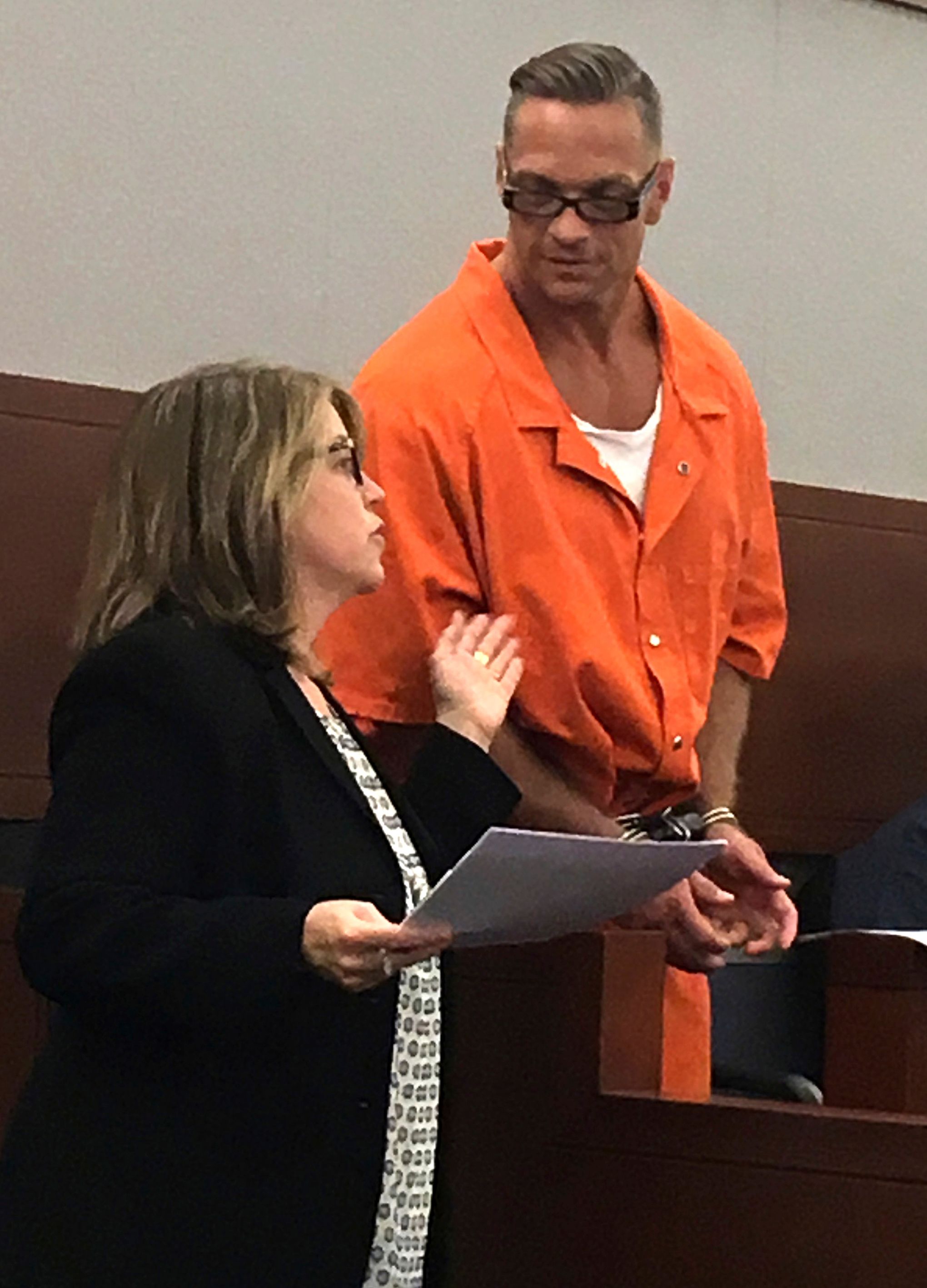
Witnesses, survivors, and officials testified during the trial, detailing harrowing scenes and the aftermath of the bombing. The prosecution amassed overwhelming forensic evidence tying McVeigh to the bomb, while the defense attempted to introduce doubt, citing unidentified accomplices and inconsistencies, though these were never substantiated.
On June 2, 1997, McVeigh was found guilty on all 11 federal counts, including conspiracy and use of a weapon of mass destruction and multiple counts of murder. The jury swiftly recommended the death penalty after hearing emotional testimonies from grieving victims’ families describing the monumental loss and heartbreak.
Judge Richard Paul Match sentenced McVeigh to death on August 14, 1997, closing the courtroom chapter on a man whose ideology and violence left an indelible scar in American history. Despite attempts to humanize him, his calculated actions and callous disregard for life shaped his verdict and public perception.
In a chilling reflection of his mindset, McVeigh expressed no true remorse. In interviews and writings, he described victims as collateral damage, lamenting only the incomplete destruction of his target. This detached cruelty renewed the pain for families and reinforced the harshness of his punishment in the public eye.
McVeigh’s subsequent years on death row were marked by his refusal to pursue appeals or clemency, accelerating his path to execution. Legal proceedings were temporarily delayed when thousands of pages of FBI documents were revealed as withheld during the trial, but no stay of execution was granted.
The execution at the U.S. Penitentiary in Terre Haute, Indiana, was unprecedented, broadcast via closed-circuit television to hundreds of survivors and relatives, providing a solemn moment of closure. Witnesses described McVeigh’s demeanor as cold and defiant, his silence his final act of control before lethal injection.
He declined any elaborate last meal, opting instead for two pints of mint chocolate chip ice cream. His final statement was the poem “Invictus,” affirming his resolve despite the consequences. At 7:14 a.m. on June 11, 2001, McVeigh was pronounced dead, ending federal executions since 1963.
The ashes of Timothy McVeigh were scattered in secret, with federal law barring him from military burial honors. His legacy remains a complex and painful paradox—a decorated soldier who turned his skills against his own country, killing more civilians than many foreign enemies.
Today, the Oklahoma City National Memorial stands in somber remembrance, with 168 empty bronze chairs symbolizing each victim. The nation continues to grapple with the ripple effects of McVeigh’s attack, a harsh reminder of the destructive power of domestic extremism.
Justice was served legally, yet the emotional scars left by McVeigh’s actions continue to resonate deeply. His execution closed one chapter but rekindled discussions on terrorism, accountability, and the limits of vengeance in the quest for healing
and closure.
This tragic event underscores the critical importance of vigilance against domestic threats and the enduring need to honor every life lost to such brutality. The Oklahoma City bombing remains a haunting marker of the devastation human hatred can inflict in moments.
Source: YouTube