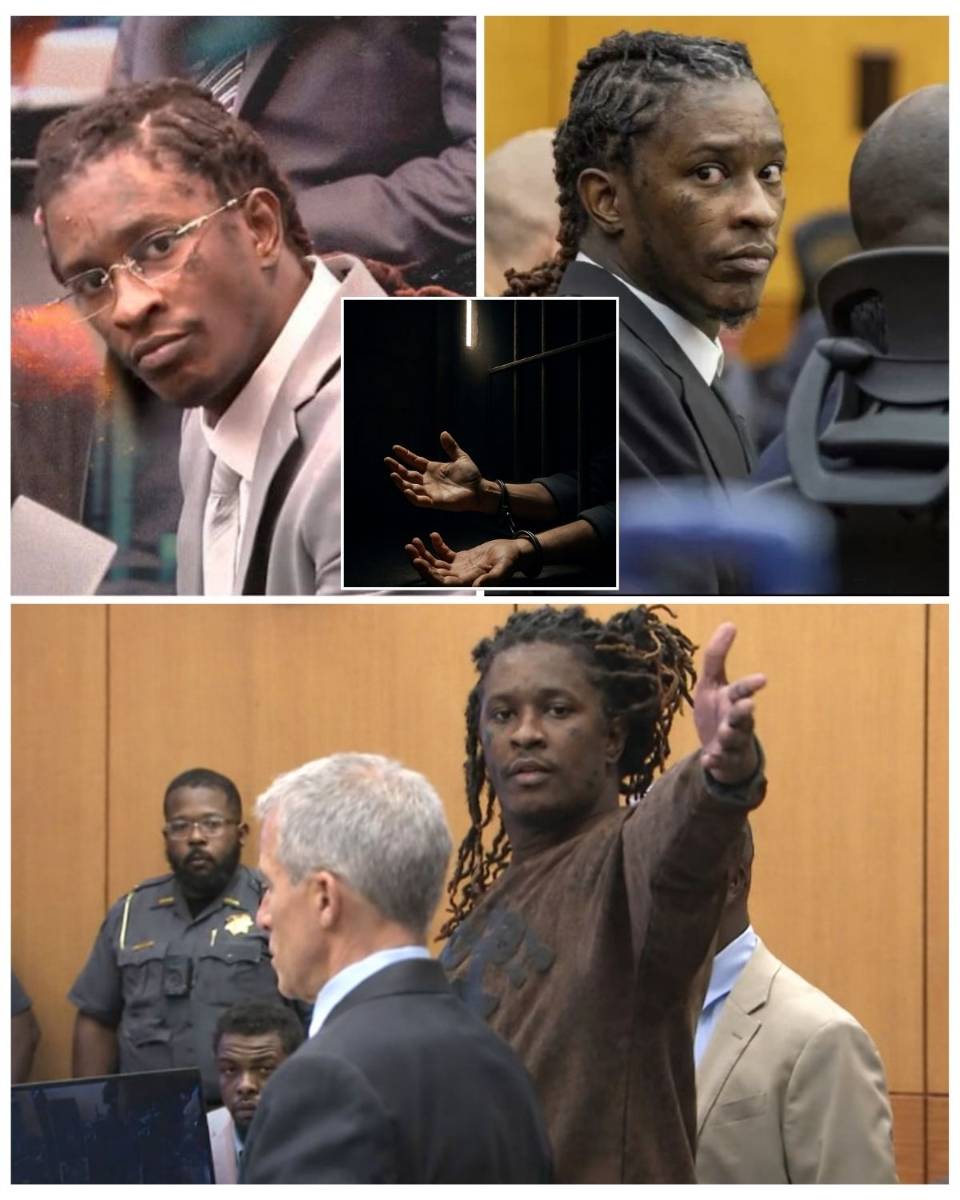
In a dramatic courtroom moment during the YSL trial, rapper Young Thug delivered a heartfelt speech, accepting full responsibility for his charges and apologizing to his family, managers, and community, which led to a plea deal allowing his immediate release and marking a pivotal turn in the high-profile case.
 The scene unfolded in a packed Georgia courtroom, where Young Thug, whose real name is Jeffery Williams, stood before the judge with raw emotion etched across his face. He began by owning his mistakes, saying he was sorry for the pain caused to those around him, including his mother who raised 11 children. His words carried the weight of years spent in the spotlight, as he reflected on how his kindness had sometimes led him astray in the cutthroat world of fame.
Williams emphasized his growth, declaring himself a “smart guy“ and “good guy“ with a big heart, but one that had been misplaced in risky situations. He spoke of learning from his errors over the past two and a half years, promising never to return to such troubles. “I’ve come from nothing and made something, but I didn’t take full advantage,“ he said, his voice steady yet vulnerable, resonating through the tense room.
The rapper didn’t shy away from his philanthropy, boasting of donating millions to causes like single-parent charities and breast cancer organizations through free shows. Yet, he acknowledged the dark side, admitting that his lyrics and image had been twisted, potentially fueling misconceptions about gang life. “I understand how it could be twisted and what it does to people’s minds,“ he confessed, vowing to change his path and use his influence for good.
As Williams wrapped up, the judge interjected with pointed advice, praising his talent while warning of rap music’s perilous impact on youth. “It’s like modern-day WWE wrestling, posturing and acting tough, but it leads kids to think gang life is glamorous,“ the judge remarked, urging Williams to be a positive force. She highlighted the trial’s evidence, including images of young associates with weapons, underscoring the real dangers of street violence.

This exchange revealed the broader stakes, with the judge noting how gangs destroy communities and how Williams’ story could inspire better choices. “You’re talented, like a modern John Lennon who might have rapped,“ she said, encouraging him to promote education and positive examples over glorifying crime. The courtroom hung on every word, the air thick with anticipation as the proceedings shifted toward resolution.
In a stunning development, prosecutors had offered to drop major charges, including the RICO count and a gang charge, in exchange for a plea. The judge, considering Williams’ remorse and the state’s willingness to let him walk free, accepted the deal. “The state isn’t particularly worried about you being a danger,“ she stated, opting for a 20-year sentence with only five years to serve, effectively allowing his release.
Williams’ speech and the subsequent ruling have ignited widespread debate, with fans and critics alike dissecting his words online. Supporters hailed it as a redemption arc, while detractors questioned if it was genuine or calculated. Regardless, the event underscores the intersection of celebrity, law, and social influence in America today.
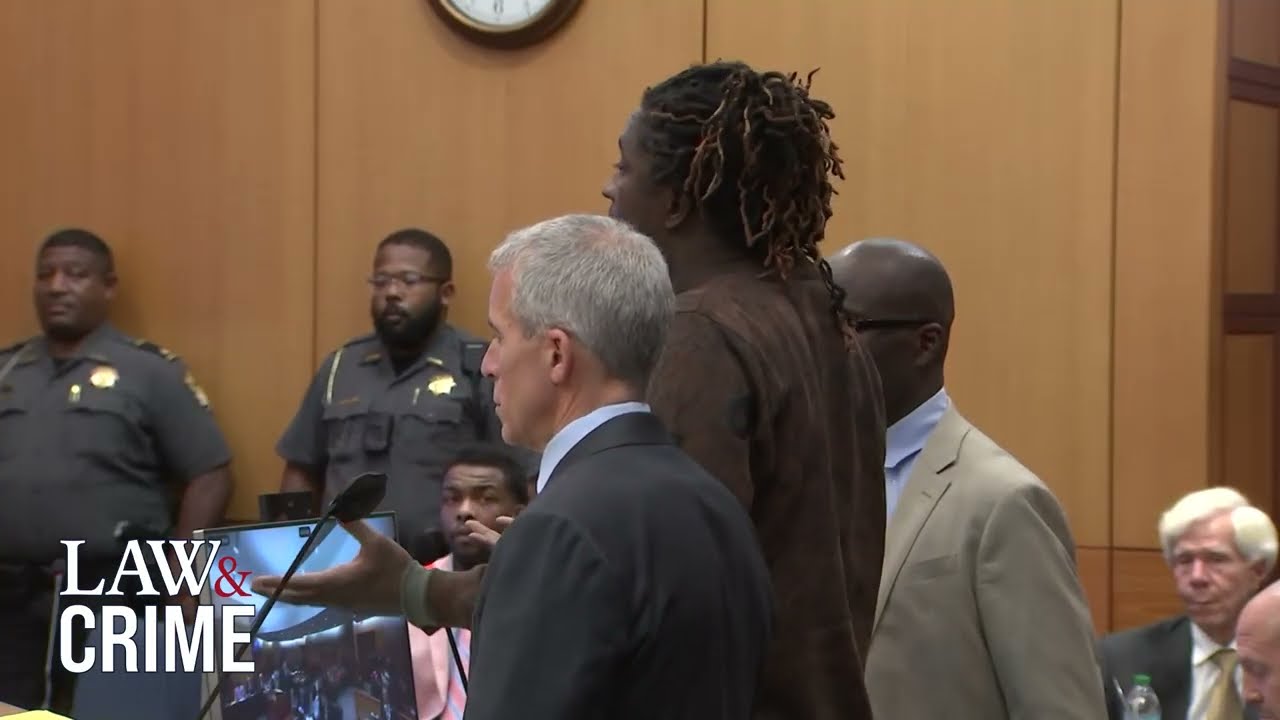
As news of his release spreads, it prompts urgent questions about justice reform and the role of public figures in shaping youth culture. Williams, now free, faces the challenge of living up to his promises, with the world watching his next moves closely. This trial’s end could mark a turning point, not just for him, but for how society addresses the glorification of violence in music.
The urgency of this story lies in its immediacy, as Williams steps back into the public eye after years of legal battles. His apology echoed beyond the courtroom, touching on themes of accountability and transformation that resonate amid ongoing discussions about hip-hop’s cultural impact. Legal experts are already analyzing the plea deal’s implications for similar cases.
In the transcript, Williams’ raw admissions painted a picture of a man at a crossroads, balancing his past excesses with a desire for redemption. “I’m older, I’m grown now, and there are more things to rap about,“ he said, signaling a potential shift in his artistry that could influence the industry. This evolution comes at a critical time, as debates rage over censorship and artistic freedom.

The judge’s response added layers to the narrative, blending empathy with stern guidance. She acknowledged the trial’s toll on all involved, from lawyers to families, while emphasizing the need for Williams to use his platform wisely. “Be more of the solution and less of the problem,“ she advised, a directive that could echo in future hearings.
This breaking news event highlights the human element in high-stakes trials, where personal stories collide with legal ramifications. Williams’ release isn’t just a win for him; it’s a moment that could spark broader conversations about rehabilitation and second chances in the justice system.
As reporters swarm outside the courthouse, the fallout from this trial continues to unfold. Williams’ heartfelt words have already gone 𝓿𝒾𝓇𝒶𝓁, amassing millions of views and reactions, underscoring his enduring influence. The urgency here is palpable, as this story evolves in real time, potentially reshaping public perceptions of fame and accountability.
In closing, Young Thug’s courtroom apology and subsequent freedom serve as a stark reminder of the consequences of celebrity missteps and the power of genuine remorse. With the world eager for his next chapter, this event stands as a compelling testament to the possibility of change, even in the face of serious accusations. Stay tuned for more updates on this developing story.