A geological formation in the Turkish mountains, long shrouded in legend, is now at the center of a seismic scientific investigation that is challenging the boundary between ancient myth and verifiable history. Researchers employing cutting-edge technology have uncovered startling evidence within the Durupinar site, a 538-foot boat-shaped mound, suggesting it may be the remains of a colossal man-made structure dating to a period of global cataclysmic flooding.
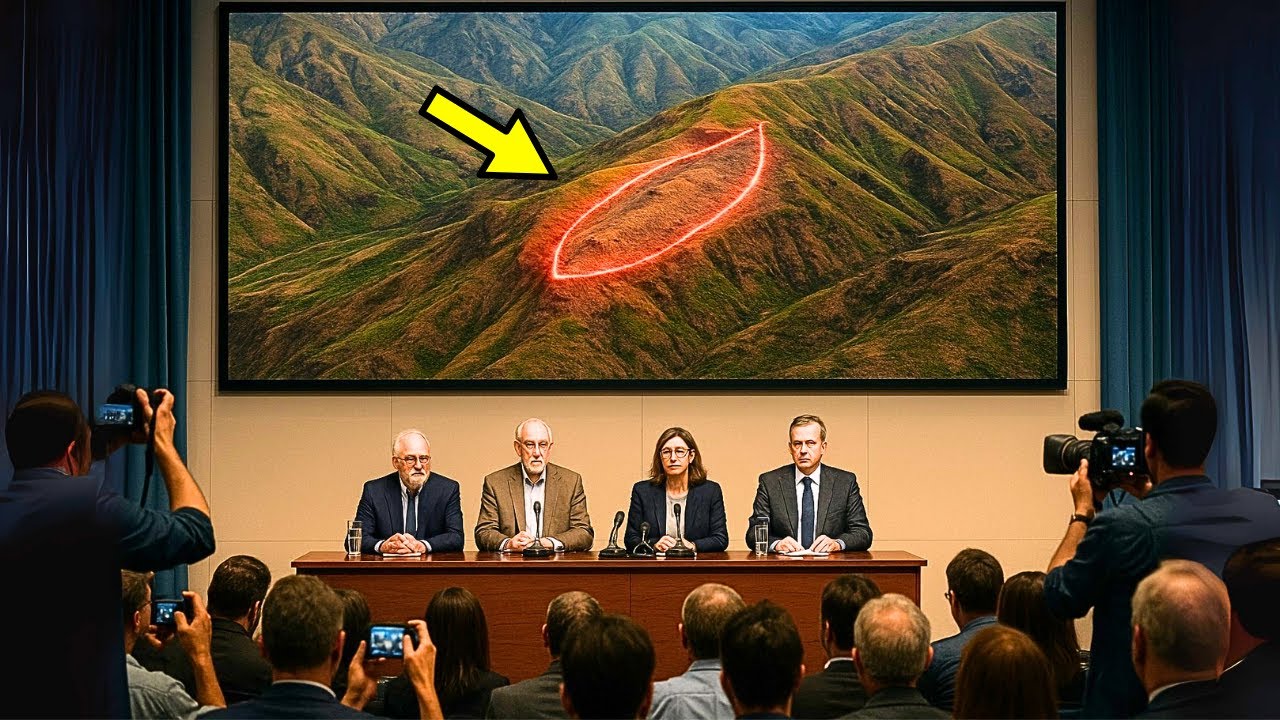
The site, nestled near Mount Ararat, has captivated explorers since its aerial discovery by a Turkish army captain in the 1950s. Its uncanny dimensions, matching the 300-cubit length described in the Book of Genesis, initially fueled speculation. Now, a rigorous multi-year study led by an international coalition from Istanbul Technical University, Agri Ibrahim Cecen University, and Andrews University is producing data that is forcing a global reconsideration.
Ground-penetrating radar and electrical resistivity tomography scans have pierced the earth, revealing a hidden internal architecture that defies natural explanation. Scientists report clear evidence of parallel linear formations, deck-like layers, and a central corridor flanked by what appear to be right-angled compartments. “This is not a random pile of rock. It’s a structure that was built,” stated New Zealand engineer John Larson, who led the resistivity team.
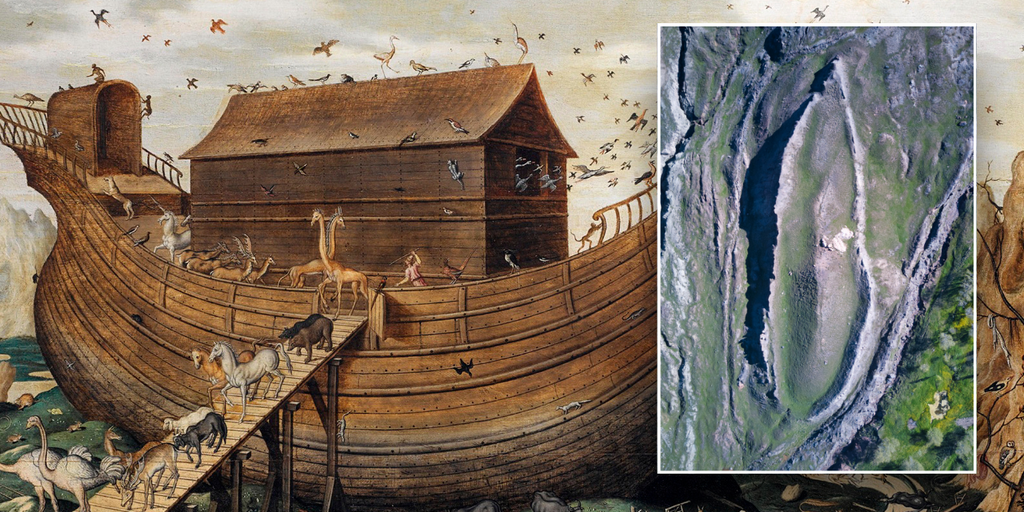
Perhaps more compelling than the shapes are the chemical whispers from the soil itself. Laboratory analysis of core samples has revealed a dramatic anomaly: the soil within the formation contains nearly three times the organic material and significantly elevated potassium levels compared to the surrounding earth. “These results indicate the deposition of decayed wood,” lead researcher Andrew Jones told Fox News Digital, calling it consistent with a large wooden structure preserved within an ancient mudflow.
Further analysis points to a catastrophic aquatic event. Soil samples contain marine sediments, clay deposits indicative of settling from water, and remnants of seafood. Radiocarbon dating of materials suggests a timeframe of 3,500 to 5,000 years ago, a window that intriguingly aligns with traditional chronologies for a great deluge. “These findings suggest the region was submerged at some time, supporting the scenario of an extreme catastrophe,” Professor Faruk Kaya of Agri Ibrahim Cecen University told the Jerusalem Post.
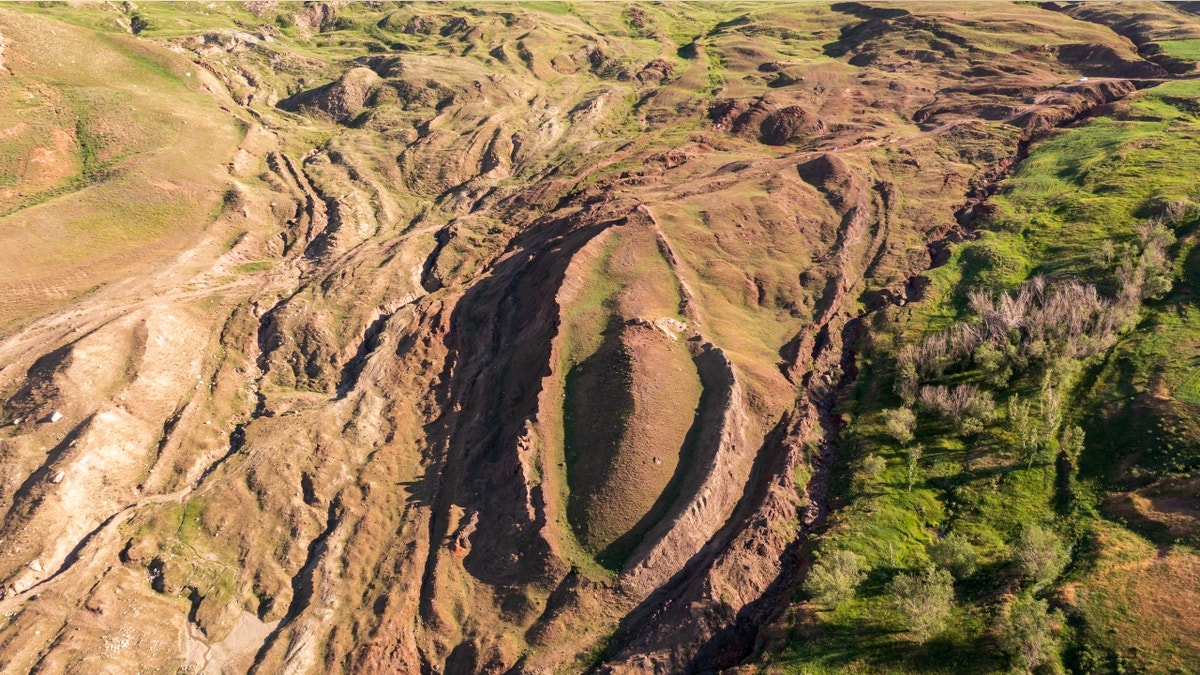
The scientific team remains cautious, avoiding a definitive declaration. They emphasize the need for further non-invasive study and acknowledge that some geologists maintain the formation is a rare but natural result of mudflows and erosion. “We are not declaring this the ark, but the parallels defying explanation are too great to discount,” Professor Kaya emphasized in an interview with Turkey’s Hurriyet newspaper.
Despite the caution, the implications are sending shockwaves through academic and religious communities alike. Media outlets worldwide have carried the findings, with headlines questioning whether a cornerstone biblical narrative may be rooted in a tangible, catastrophic historical event. The discovery posits that the ubiquitous global flood myths found in hundreds of cultures may be a collective memory of a real, planet-altering disaster occurring between 12,800 and 11,600 years ago.
As the sun sets over the silent, enigmatic mound, the research continues. The Durupinar formation no longer stands as a mere curiosity but as a profound archaeological puzzle. Its soil holds a chemical fingerprint, and its subsurface echoes with a geometric ghost, both pleading for a coherent story. The world now watches, waiting to see if the earth beneath Turkey’s mountains will finally yield the truth about a vessel that has sailed through human consciousness for millennia. The question is no longer merely one of faith, but one for science to rigorously answer: is this nature’s masterpiece, or history’s most famous ship?
Source: YouTube