A seismic shift in biblical archaeology has been definitively averted as a comprehensive new analysis categorically reaffirms the Temple Mount as the true location of Solomon’s and Herod’s Temples, dismantling a controversial alternate theory that had gained traction online. The claim, which posited that the ancient Jewish temple complex was located hundreds of meters away in the City of David, has been systematically refuted by a convergence of archaeological evidence, textual analysis, and logistical reasoning.
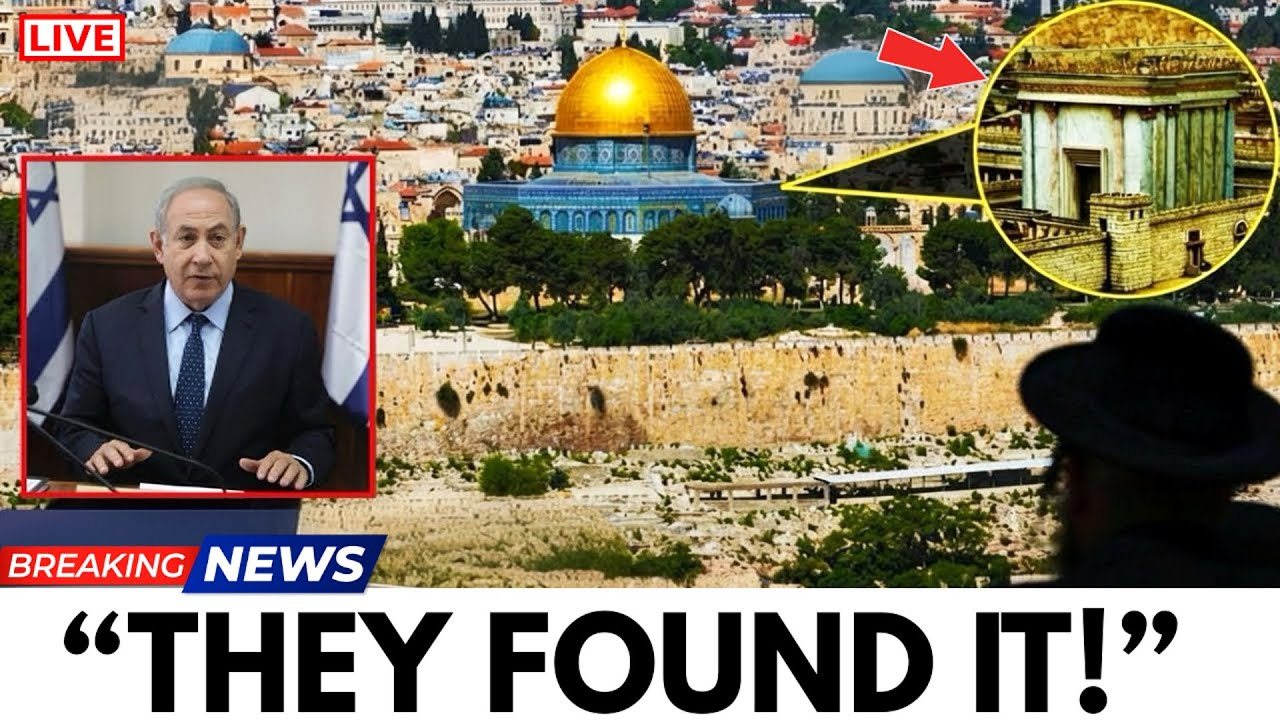
This conclusion follows a meticulous examination prompted by decades of scholarly debate and recent discoveries, including those from the landmark Temple Mount Sifting Project. The alternate theory, featured in documentaries and digital forums, argued the Temple Mount was actually the Roman Antonia Fortress, suggesting a centuries-old global misunderstanding of Jerusalem’s sacred geography. Proponents cited the mount’s size, water access, and historical descriptions as their primary evidence.
A careful review of the historical record, however, reveals critical flaws in this argument’s foundation. The theory heavily relies on a misreading of the first-century historian Josephus, who described a Roman cohort stationed at the Antonia Fortress. Proponents mistakenly equated this unit with a full legion of 6,000 soldiers, thereby inflating the space required and justifying the need for the Temple Mount’s 35-acre platform.
Josephus, in fact, specified a cohort of approximately 600 men. This correction alone dramatically undermines the premise that the massive platform was built for Roman military purposes. It instead refocuses attention on the temple’s own staggering logistical demands, which required vast space to accommodate millions of pilgrims during annual festivals like Passover, as described in both scripture and ancient sources.

The physical footprint of the proposed alternate site presents an insurmountable problem. The entire City of David spans only about 14 acres, less than half the size of the Temple Mount platform. This limited area could not possibly contain the temple’s multiple courts, auxiliary buildings, and the immense crowds described in historical texts, making the location a practical impossibility for a functioning national sanctuary.
Further direct evidence comes from Josephus’s detailed description of the Antonia Fortress itself. He wrote it was built on a great rock at the junction of two temple porticoes. A massive bedrock outcrop at the northwest corner of the Temple Mount perfectly matches this description, and it has long been identified by archaeologists as the likely foundation of Antonia, attached to the sacred complex.
The theory’s argument about water supply—that only the Gihon Spring in the City of David could support temple rituals—has been overturned by modern archaeology. Extensive underground investigations have revealed a sophisticated hydraulic system beneath the Temple Mount, including colossal cisterns holding millions of gallons. An ancient aqueduct, dated to the First Temple period, channeled water from springs near Bethlehem over 20 kilometers to fill them.
Ritual purity laws required pilgrims to immerse in mikva’ot (ritual baths) before entering the temple grounds. Excavations surrounding the Temple Mount, particularly along its southern and western walls, have uncovered a dense concentration of these baths from the Second Temple period. A wide, stepped pilgrim road leads directly from them to the mount’s entrances, a flow of infrastructure absent in the City of David.

Perhaps the most compelling physical evidence comes from artifacts unearthed from the mount itself. The Temple Mount Sifting Project, analyzing soil illegally removed in 1999, has recovered over 750,000 artifacts. These include Second Temple period coins, decorative stone tiles matching descriptions of temple courts, and sealed bullae bearing names of priestly families known from the Bible.
Critically, the project found a vast quantity of animal bones, a majority of which show signs of burning consistent with biblical sacrificial law. These remains provide tangible, empirical evidence of ritual activity occurring directly on the Temple Mount, not in the valley below. The artifacts create an undeniable material signature of the temple’s operations.
A final, powerful testament was discovered at the southwest corner of the mount: a fallen stone bearing a carved Hebrew inscription, “To the Place of Trumpeting.” This stone, which fell during the Roman destruction in 70 AD, marks the spot where priests announced the Sabbath. Its location at the base of the Temple Mount wall confirms it fell from the complex above, not from a distant valley.
When the architectural requirements, historical accounts, hydrological engineering, ritual infrastructure, and sheer volume of material evidence are viewed together, the conclusion is inescapable. The accumulated data does not merely suggest but definitively proves the Jewish temples stood on the platform known today as the Temple Mount in Jerusalem. This reaffirmation settles a modern controversy by upholding an ancient truth, rooted not in tradition alone but in the very stones of the city.
Source: YouTube