In a stunning exposé that shatters centuries of accepted history, explosive revelations uncover how the Catholic Church was not born from Christ’s apostles but forged by Roman emperors for political control, blending faith with pagan rituals. Historians expose long-hidden truths: Emperor Constantine’s vision and decrees twisted early Christianity into an imperial tool, deceiving generations with doctored doctrines and unscriptural traditions.
 This breaking news story emerges from newly scrutinized ancient texts and biblical analyses, revealing a web of deception that has influenced billions. For years, believers have followed traditions passed down without question, but the evidence now paints a different picture—one of power grabs and compromises that diverged from the pure gospel. Early Christians, as described in the Book of Acts, lived in humble communities, sharing meals and prayers, far from the opulent cathedrals and hierarchical structures that later emerged.
The turning point? Emperor Constantine’s rise in 312 AD, when he claimed a divine vision before battle, leading to the Edict of Milan in 313 AD. This decree legalized Christianity, ending persecution but at a steep price: the faith was co-opted by Rome. Constantine, possibly never a true follower, merged pagan customs with Christian practices to unify his empire, granting bishops political power and reshaping doctrine for control.
As the church evolved, it distanced itself from biblical roots. The term “Catholic,“ meaning universal, shifted to denote a Rome-centered institution claiming supreme authority. By the fourth and fifth centuries, bishops in Rome asserted themselves as Peter’s successors, adopting the title of Pope and enforcing non-scriptural teachings like praying to saints and confessing to priests—practices borrowed from ancient Roman and Greek paganism.
 These innovations directly contradicted scripture. Jesus warned in Matthew 15:9, “But in vain they do worship me, teaching for doctrines the commandments of men.“ Yet, the church introduced rituals such as lighting candles for the dead and bowing to statues, adaptations that strayed from the Holy Spirit’s guidance. The Bible clearly states in 1 Timothy 2:5, “For there is one God and one mediator between God and men, the man Christ Jesus,“ rejecting intermediaries like Mary or priests.
By the Middle Ages, the Catholic Church had become a formidable political force, with popes crowning emperors and launching crusades. It sold indulgences—forgiveness for a price—while banning Bible translations in common languages, keeping the masses dependent on clerical interpretation. This era, dubbed the Dark Ages, saw spiritual deception flourish, as warned in Hosea 4:6: “My people are destroyed for lack of knowledge.“
The truth began to crack through in the 14th to 16th centuries with reformers like John Wycliffe, Jan Hus, Martin Luther, and William Tyndale. Luther’s 95 Theses in 1517 ignited the Protestant Reformation, declaring salvation by faith alone, as per Romans 1:17. These brave figures faced excommunication and death but 𝓮𝔁𝓹𝓸𝓼𝓮𝓭 the church’s falsehoods, translating the Bible into everyday tongues for all to read.
Who truly created the Catholic Church? Not Christ, but Roman leaders seeking empire-wide unity and control. Constantine’s reforms birthed a system prioritizing power over purity, weaving pagan elements into Christian fabric. While many Catholics live with sincere hearts, the institution’s foundations rest on human tradition, not divine truth.
This urgent revelation demands action. Jesus emphasized in John 4:24, “God is a spirit, and they that worship him must worship him in spirit and in truth.“ True faith centers on a personal relationship with Christ, guided by scripture, not rituals or hierarchies. As John 8:32 promises, “And ye shall know the truth, and the truth shall make you free.“
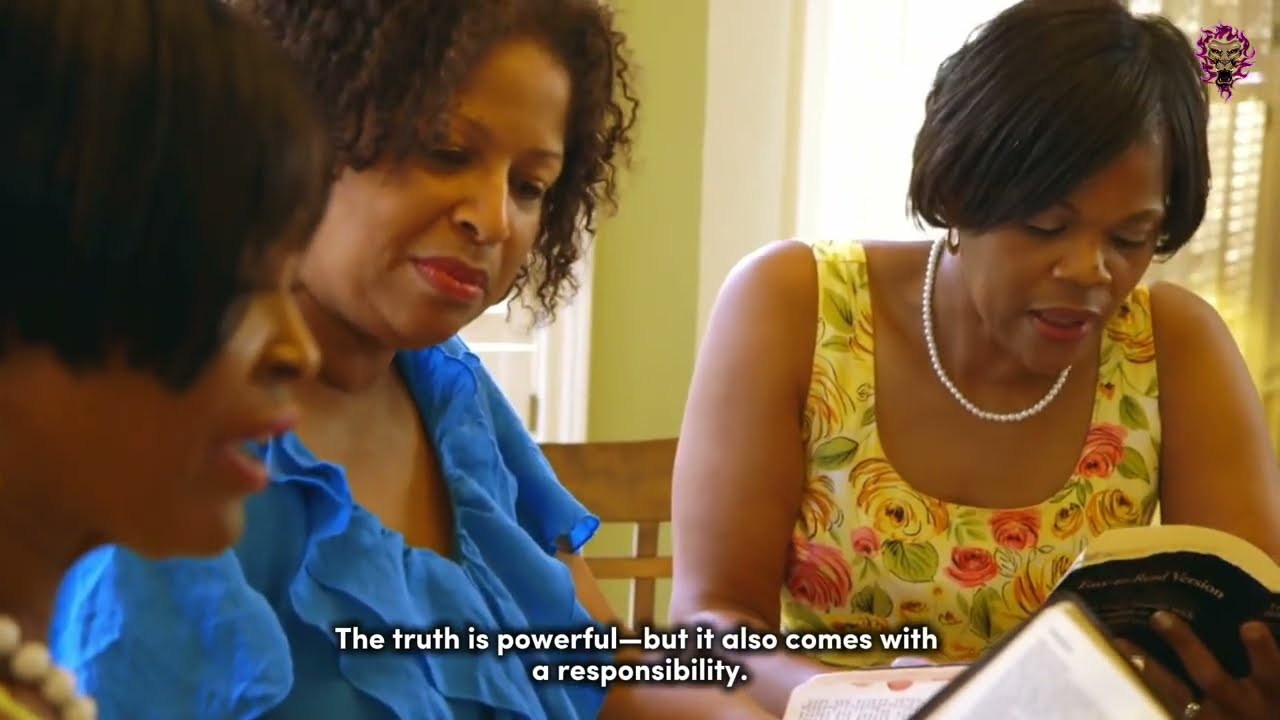 The implications ripple across modern society, challenging long-held beliefs and urging a return to biblical principles. Experts warn that ignoring these historical facts perpetuates division and spiritual blindness. With this exposé, the veil lifts, exposing how political machinations shaped one of history’s most influential institutions.
As debates intensify, religious scholars scramble to respond, but the core evidence stands firm. The early church’s spirit-filled simplicity contrasts sharply with the Catholic system’s evolution, a cautionary tale of compromise. This isn’t just history—it’s a call to examine one’s faith amid these 𝓈𝒽𝓸𝒸𝓀𝒾𝓃𝑔 disclosures.
In light of this, individuals worldwide are reevaluating their spiritual paths, seeking direct access to God as scripture advocates. The story doesn’t end here; it’s a catalyst for broader conversations on truth, power, and redemption. Stay vigilant as more revelations may emerge, reshaping our understanding of religious history forever.
This breaking news underscores the need for transparency in faith matters, reminding us that the quest for truth is timeless. Jesus’ teachings remain the anchor, urging believers to test all things and follow the Holy Spirit’s lead. In an era of misinformation, returning to the Bible is not just wise—it’s essential for genuine freedom.