In a harrowing culmination of nearly 30 years on death row, 70-year-old Billy Wayne Coble was executed in Texas on February 28, 2019. His final moments were marked by chilling calm, as chaos erupted in the witness chamber, revealing the deep scars left by his brutal crimes and the relentless pain of his victims’ families.
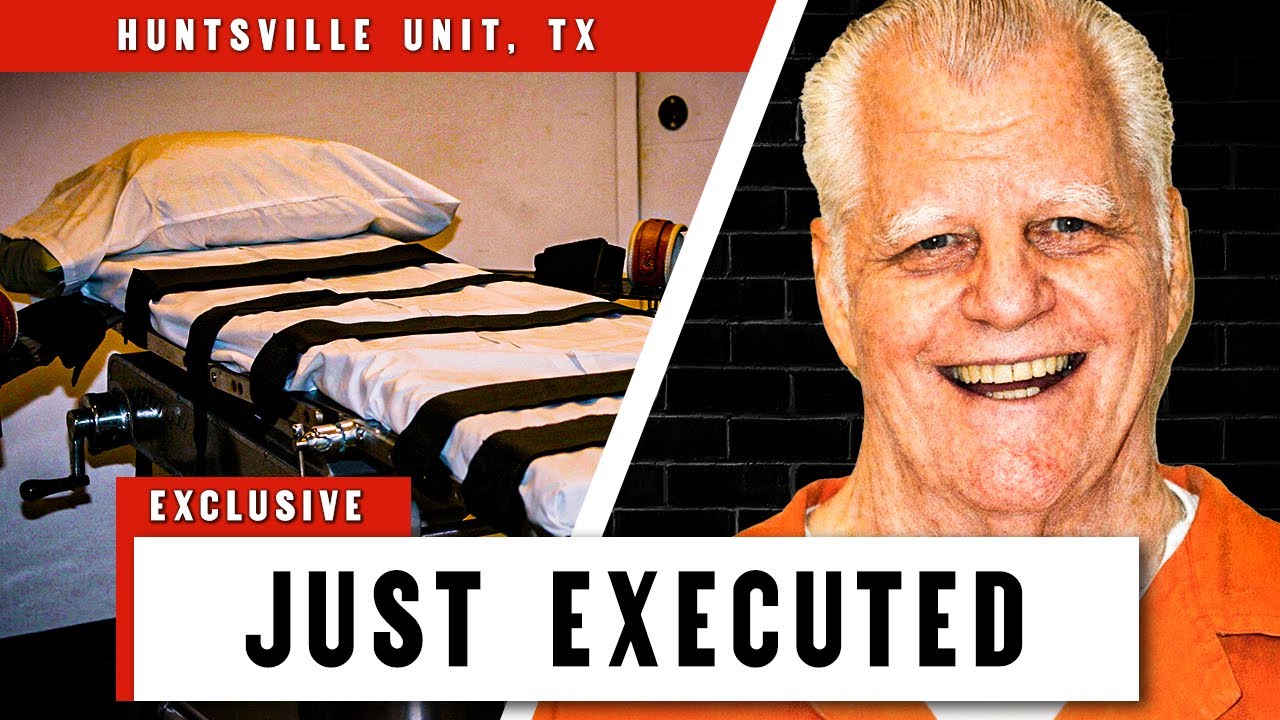
Coble’s execution marks a haunting chapter in Texas’s history, as he became the oldest person executed in the state since the death penalty was reinstated in 1982. His crimes, committed in a fit of rage in 1989, involved the cold-blooded murder of his estranged wife’s family, including her parents and brother, a police sergeant.
As the lethal injection began, Coble’s last words echoed eerily through the chamber. He expressed love for his family, but his refusal to apologize to the victims’ families highlighted his chilling detachment from the horror he inflicted. This stark contrast underscored the complexities of justice and retribution.
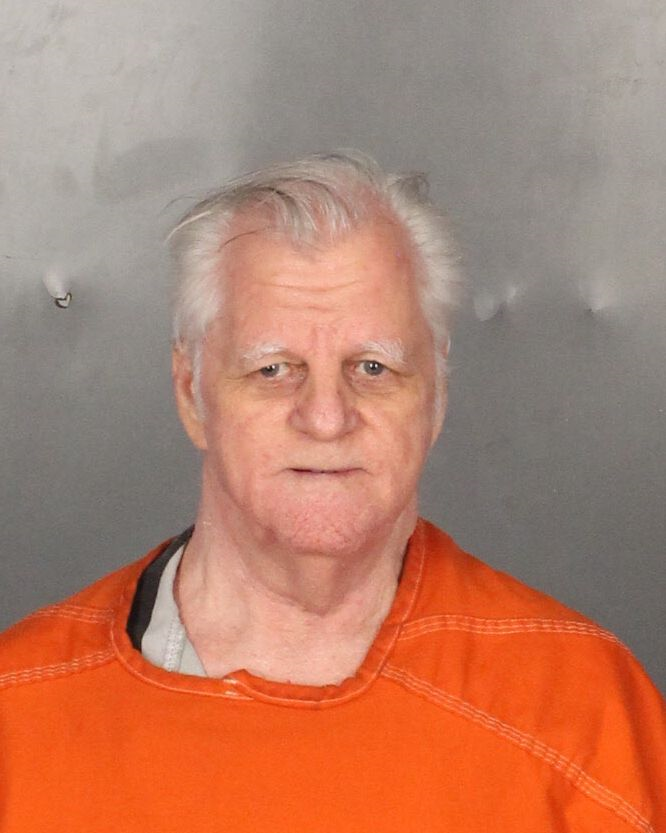
On the other side of the glass, Coble’s son and grandson erupted in a violent display of grief and anger, banging on the window and shouting obscenities. Their emotional outburst resulted in their arrest for disorderly conduct, further complicating the already fraught atmosphere surrounding the execution.
The Vicha family, who suffered immeasurable loss due to Coble’s actions, had waited decades for this moment. For them, the execution offered a bittersweet closure, a chance to finally exhale after years of trauma. Yet, the aftermath left Coble’s family shattered, grappling with the duality of love and horror that defined their relationship.
Coble’s case raises critical questions about the death penalty’s role in society. While some view it as a necessary form of justice, others argue it perpetuates cycles of pain and trauma. The emotional chaos witnessed during Coble’s execution serves as a stark reminder of the human cost of capital punishment.
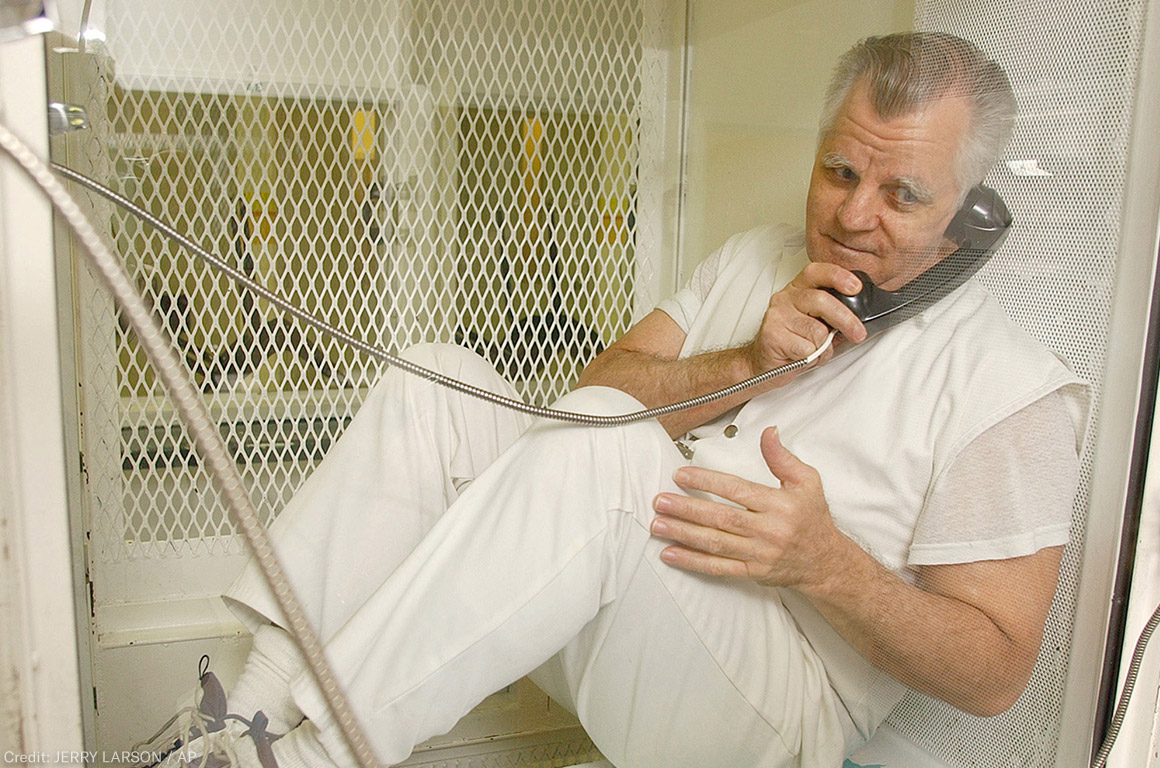
As Texas continues its relentless schedule of executions, the haunting legacy of Billy Wayne Coble’s case lingers. It challenges us to confront the moral complexities of justice and the true meaning of closure in a world where violence begets more violence.
The unsettling events of that day in Huntsville are a chilling testament to the enduring scars left by crime and punishment, forcing us to ask whether true justice can ever be achieved or if it merely deepens the wounds of those left behind.