A grim roster of condemned soldiers, their fates sealed by military tribunals, awaits final presidential action as the U.S. military’s death row remains a stark monument to ultimate betrayal. These individuals, convicted of the most heinous crimes imaginable within the ranks, now sit in legal limbo at Fort Leavenworth’s U.S. Disciplinary Barracks. Their cases, spanning decades, reveal a dark undercurrent of violence and a justice system reserved for the most severe breaches of military law. The path to execution under the Uniform Code of Military Justice is protracted, requiring a final presidential order that has been issued only once in over sixty years.
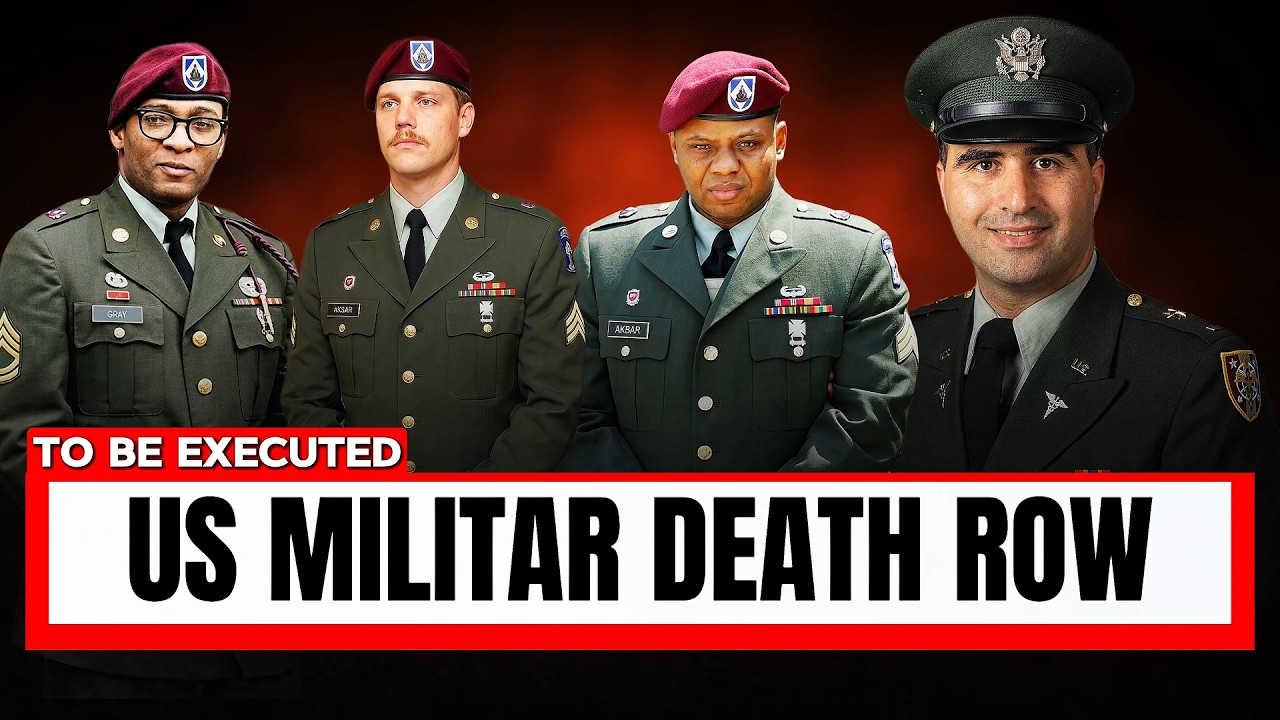
Among the most notorious is Timothy B. Hennis, a figure whose legal saga is unparalleled. Initially convicted and sentenced to death in 1986 for the brutal murders of a mother and two children, he was acquitted at a retrial and even resumed his Army career. Decades later, DNA evidence led to his recall to active duty for a court-martial, resulting in a second death sentence in 2010. His case stands as a chilling testament to forensic science’s power to reopen old wounds and deliver a final, controversial verdict.
Sergeant Hasan Akbar’s name is etched in history for an act of treachery that shocked a nation at war. In 2003, he launched a grenade and rifle attack on his own comrades in Kuwait, killing two officers. His premeditated assault, detailed in a personal diary, made him the first soldier since Vietnam sentenced to death for such a wartime betrayal. His appeals have been exhausted, leaving his fate in the hands of the Commander-in-Chief, a decision that remains pending years after his conviction.
The case of Ronald A. Gray represents one of the military’s most prolific serial killers. Stationed at Fort Bragg in the 1980s, Gray’s spree of rape and murder led to a civilian life sentence and a separate military death sentence. In a rare move, President George W. Bush signed his execution order in 2008, but ongoing legal challenges have repeatedly stayed the procedure. Gray has now spent over three decades on death row, his case mired in complex appeals over execution methods and mental competency.
Fort Hood became the scene of unparalleled domestic terror within the military in 2009, courtesy of Major Nidal Malik Hasan. The Army psychiatrist killed 13 and wounded more than 30 in a shooting rampage he claimed was in defense of Taliban leaders. His court-martial was marked by his lack of defense and open admission of guilt. The military jury swiftly returned a death sentence, but like the others, his case is under mandatory review, awaiting the final approval required to carry out the punishment.

These four men constitute the full known list of prisoners currently on the U.S. military’s death row. Their crimes, while vastly different in circumstance, collectively represent catastrophic failures of duty and humanity. The military justice system has pronounced its ultimate judgment, yet the execution chamber remains dormant. The last military execution was in 1961, highlighting the immense gravity and political weight carried by such an order.
The process following a court-martial death sentence is exhaustive and deliberate. The case automatically undergoes a series of appeals through the military’s highest courts and can be appealed to the U.S. Supreme Court. Only after all legal avenues are exhausted does the file land on the President’s desk for a final decision to approve or commute the sentence. This creates an indefinite period of waiting for both the condemned and the victims’ families.
Legal experts point to the unprecedented nature of these concurrent cases. With multiple inmates having exhausted their appeals, the potential for a presidential decision on any one of them looms. This raises profound questions about the practical application of a penalty that has been largely symbolic for generations. The logistics of execution at Fort Leavenworth are untested in the modern era, adding another layer of complexity.
Victims’ advocacy groups watch these cases with a mixture of hope for closure and frustration at the delay. For families who have waited decades, the prolonged appellate process feels like a secondary punishment. They argue the military’s justice, once delivered, should be carried out with the same discipline it demands of its service members, providing a definitive end to their ordeal.
Conversely, defense advocates and opponents of capital punishment highlight the racial disparities and potential for error. They argue the irreversible nature of the death penalty is incompatible with a system that has seen convictions overturned, and point to the immense psychological toll of long-term confinement under a death sentence, often described as a form of torture itself.

The psychological profile of these condemned soldiers is a subject of intense study. From combat stress and radicalization to psychopathic tendencies, their backgrounds offer no single explanation for their actions. Military psychologists continue to grapple with the challenge of identifying and intervening before such catastrophic breaches occur, knowing the stakes involve both national security and innocent lives.
As the nation’s armed forces continue to engage in global conflicts, the specter of these cases hangs over the institution. They serve as a brutal reminder that the enemy can sometimes wear the same uniform, and that the military’s code of justice must be robust enough to address the ultimate crimes. The death row at Fort Leavenworth is thus both a physical place and a powerful symbol.
The upcoming presidential administration will inevitably inherit the solemn duty of reviewing these pending execution orders. The decision to end a service member’s life by federal order is perhaps one of the heaviest responsibilities of the office, balancing justice, mercy, and the precedent it sets for the future of military law. It is a constitutional power used with extreme reluctance.
For now, the inmates on military death row live in a state of suspended animation. Their days are governed by strict routine within the confines of the Disciplinary Barracks, a fortress designed to hold those the military has deemed its most irredeemable. The passage of time does not diminish the severity of their sentences, only prolongs the anticipation of an outcome that seems perpetually delayed.
The stories of Hennis, Akbar, Gray, and Hasan are now inextricably linked, bound together by the ultimate penalty. They represent a dark chapter in each of their respective units and a permanent stain on the honor of the service. Their eventual fates will write the final paragraph in a saga of violence, justice, and the enduring search for closure.
As the legal reviews continue their slow march, the military justice system demonstrates its patience and its rigor. The message is clear: the death penalty is not imposed lightly, nor will it be carried out hastily. This deliberate pace is seen by some as a strength of the system, ensuring absolute certainty, and by others as its greatest failure, denying finality.
The full list of prisoners set for execution by the U.S. military is short, but each name carries the weight of profound tragedy and institutional reckoning. Their existence on death row is a permanent testament to the fact that those sworn to protect can also inflict unimaginable harm, and that the nation’s most severe punishment is reserved for when that sacred trust is utterly destroyed.
Source: YouTube