The Los Angeles Lakers suffered a crushing 126-105 defeat to the Boston Celtics Friday night, spotlighting a glaring issue: Bronny James’ continued NBA presence is untenable and harming the team’s integrity. The Lakers’ experiment with LeBron James’ son has reached a breaking point, demanding an immediate end.

The Celtics exploded out of the gate, scoring 40 first-quarter points against the Lakers’ paltry 17. This overwhelming start set the tone for a humiliating defeat. Despite a minor rally in later quarters, the deficit was simply too large to overcome, underscoring the Lakers’ defensive collapse and offensive struggles.
Austin Reaves emerged as a lone warrior, pouring in 36 points on a frenzied night. His relentless drive earned 17 free throws, showing his grit and determination while carrying the team on his exhausted shoulders. Without LeBron or other stars, Reaves’ effort was heroic but ultimately not enough.
Amidst the chaos, Bronny James’ role was glaringly minimal and ineffective. Clocking just six minutes in garbage time, he scored five points but added no tangible value. His performance epitomizes a season plagued by questions about his readiness and the fairness of his playing time.
Bronny’s statistics paint a stark reality: inconsistent shooting, poor defense, and limited playmaking leave no justification for his NBA minutes. His summer league shooting was abysmal—0 for 15 from three-point range—which isn’t a slump but a striking signal of his current incapacity at this level.
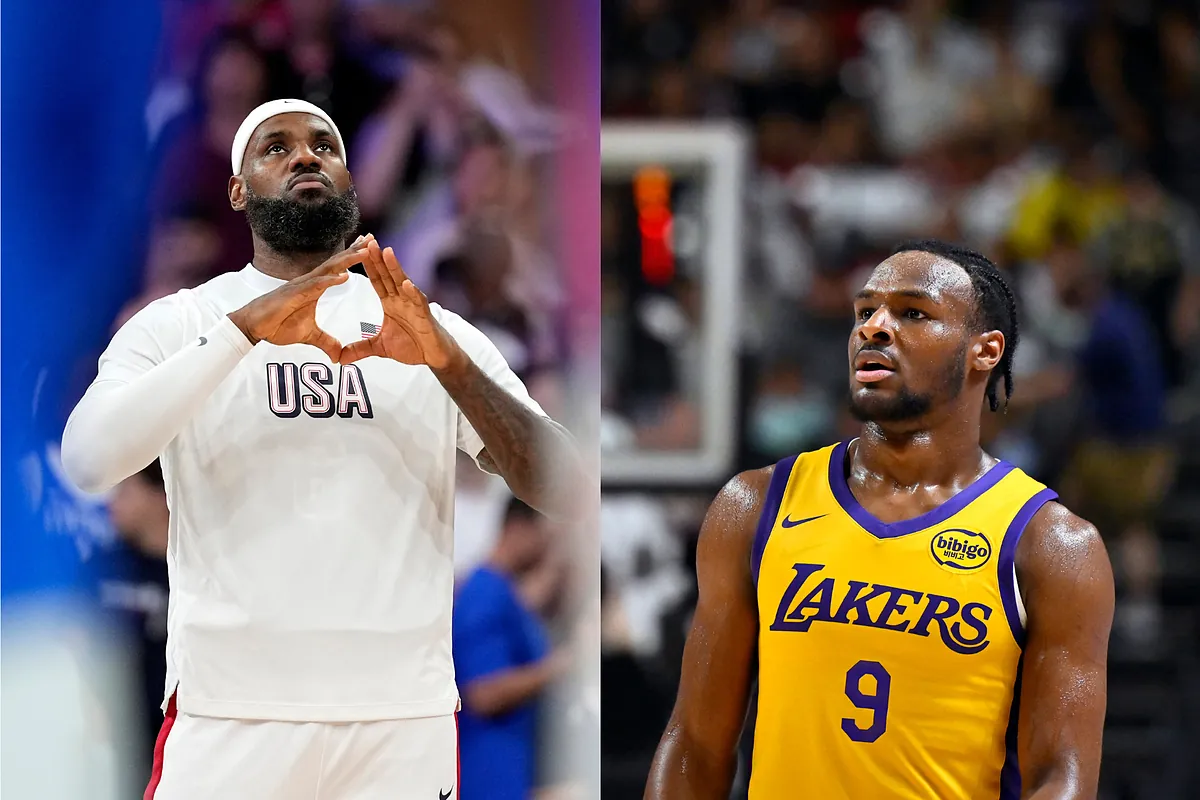
The Lakers face an organizational crisis. With Bronny’s guaranteed $7.9 million contract occupying a roster spot, it displaces more deserving players grinding in the G-League and undermines team chemistry. Veteran players silently bear witness, creating potential resentment beneath the surface of a storied franchise.
Coach J.J. Reddick’s postgame comments about shot quality and analytics ring hollow. The team was outplayed and outclassed, and attempts to spin the narrative around process over results are transparent attempts to deflect from the harsh truth—this Bronny experiment is damaging the Lakers on-court results.
Reports reveal the Lakers have enforced unique restrictions on Bronny, limiting him to home G-League games due to travel policies favoring commercial flights for others. This special treatment sparks criticism of coddling and nepotism, fueling debate about fairness and the integrity of competitive standards within the organization.
LeBron James’ social media retreat amid rising criticism reflects the pressure and sensitivity surrounding this controversy. His son’s elevated status on the team, despite evident limitations, is increasingly viewed not as development but as a public relations maneuver, 𝓉𝒽𝓇𝑒𝒶𝓉𝑒𝓃𝒾𝓃𝑔 the franchise’s competitive ambition and legacy.
The Lakers’ legacy—once defined by icons like Magic Johnson, Kareem Abdul-Jabbar, and Kobe Bryant—now risks being overshadowed by the perception of nepotism. The decision to prioritize LeBron’s family narrative over meritocracy undermines decades of excellence and raises urgent questions about the franchise’s future direction.
Bronny’s presence on the roster during critical playoff moments seems improbable. As rotations tighten and stakes rise, his playing time will likely vanish, relegating him to a bench role and symbolic figure rather than a contributor. Yet, his contract and the spotlight remain, continuing to complicate team dynamics.
This experiment is no longer sustainable. The Lakers must confront a brutal reality: Bronny James is not yet an NBA-caliber player. Continuing to prop him up at the expense of team integrity risks derailing championship aspirations and tarnishing a franchise that has cultivated a proud winning tradition.
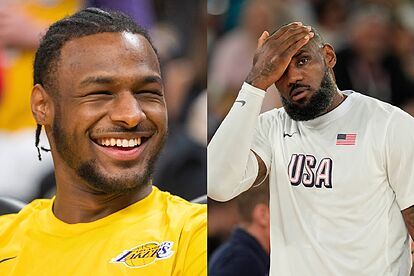
The door is open for Bronny to develop properly—full-time G-League play and potential overseas stints could offer the necessary seasoning absent from his current experience. But maintaining the status quo under the guise of development only entrenches mediocrity and resentment within the organization.
LeBron’s desire to share the court with his son is understandable but cannot override professional standards. The Lakers must prioritize merit, cultivate a winning culture, and make hard personnel decisions to preserve their competitive edge and honor their storied history.
As the Lakers struggle with this issue, fans and analysts alike demand transparency and accountability. The question is no longer about Bronny’s potential but about when and how the Lakers will acknowledge this flawed arrangement and act decisively before it inflicts lasting damage.
The crushing defeat against the Celtics serves as a stark emblem of the consequences of misplaced priorities. With LeBron’s window closing and playoff pressure mounting, the urgency for change has never been greater. The experiment with Bronny James urgently requires an end before it derails the franchise’s ambitions permanently.