Curtis Windham, a man whose violent crime spree in 1992 left three dead, was executed today in Florida after 33 years on death row. His final meal was a feast, yet his last words were mumbled and unclear. Windham’s execution marks a grim milestone in Florida’s capital punishment history, raising questions about justice and closure for victims’ families.
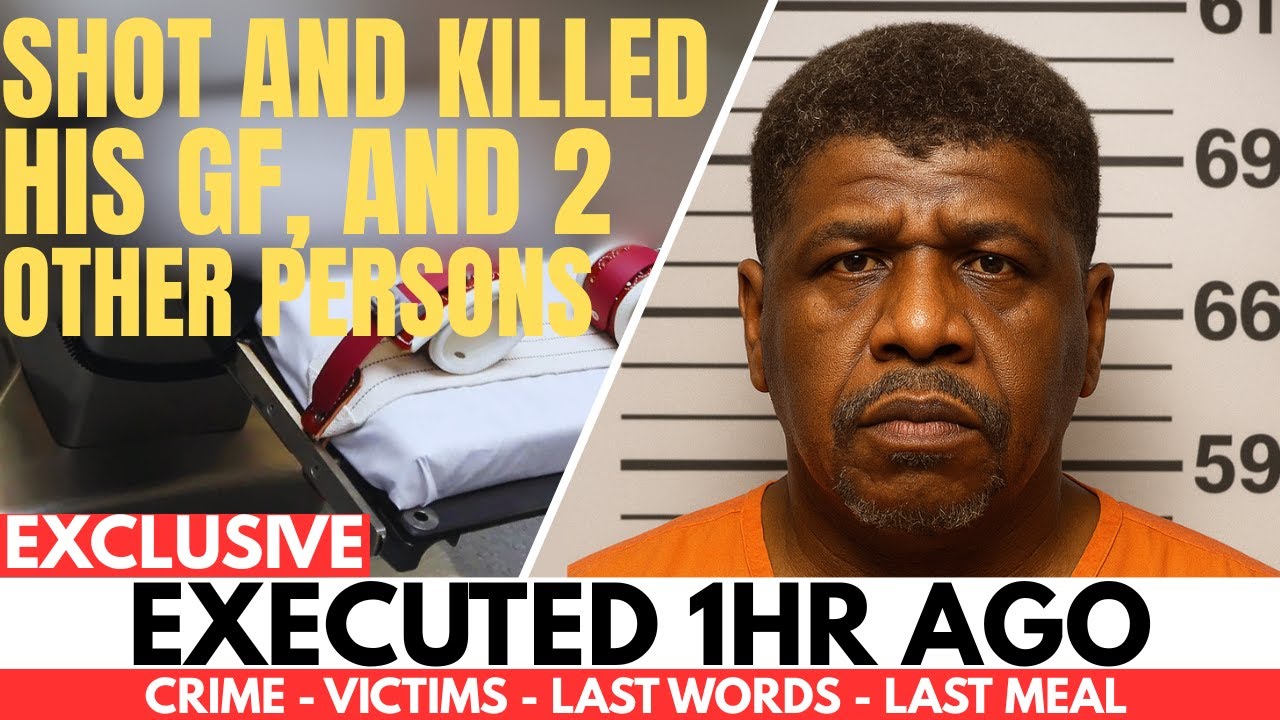
On February 7, 1992, Windham’s obsession with money and revenge led to a horrific crime scene in Orange County, Florida. Believing Johnny Lee owed him money, Windham executed Lee in cold blood, shooting him multiple times. This was just the beginning of a violent rampage that night.
After murdering Lee, Windham turned on Valerie Davis, his on-again, off-again girlfriend, shooting her inside her apartment. Her mother, Mary Luben, rushed to the scene only to be fatally shot by Windham as she arrived. By the end of the night, three lives were extinguished, and one man, Kenneth Williams, was left wounded but alive.
Windham was swiftly arrested, with witnesses detailing his brutal actions. The trial revealed a chilling portrait of a remorseless killer, leading to his conviction on three counts of murder and one count of attempted murder. He was sentenced to death, beginning a long and contentious wait for justice.

For over three decades, Windham remained on death row, fighting against his sentence through numerous appeals that were consistently denied. His legal battles continued until the Florida Supreme Court and later the U.S. Supreme Court rejected his final plea, sealing his fate.
As the clock ticked down to his execution, public opinion was sharply divided. Supporters of capital punishment argued it was time for justice, while opponents condemned the lengthy wait and questioned the morality of executing someone after so many years.
On the day of his execution, Windham was reported to be calm and resigned. His last meal was a lavish spread, but he spent his final hours alone, with no visitors to bid farewell. At 6:02 p.m., witnesses watched as he was strapped to a gurney, his last words indistinct and lost in the air.
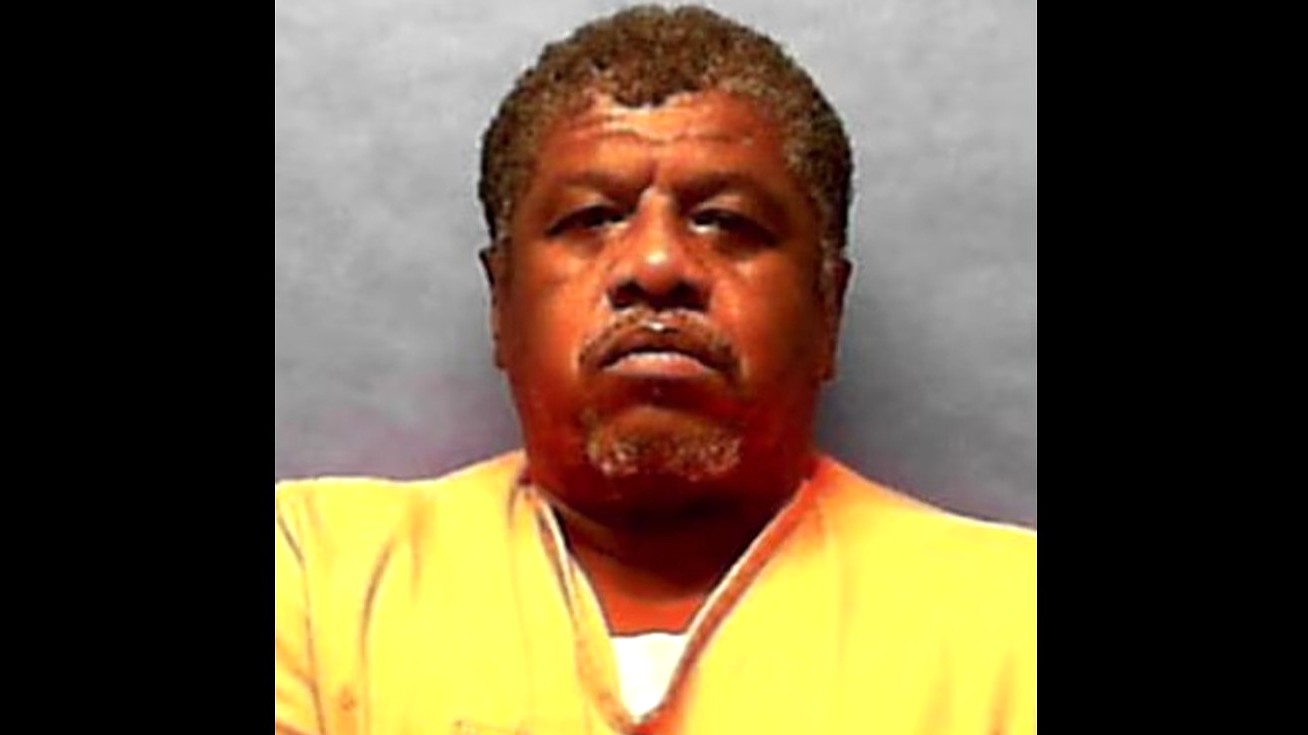
The lethal injection began, and within minutes, Windham’s life came to a quiet end. At 6:17 p.m., he was pronounced dead, marking the conclusion of a long and painful chapter for the victims’ families. Valerie Davis’s sister expressed a bittersweet sense of closure, but the community remains divided over the implications of such a punishment.
Windham’s execution is part of a record-breaking year for Florida, which has seen 11 executions in 2025 alone. This surge in capital punishment raises troubling questions about the state’s approach to justice and its implications for those impacted by violent crime.
As Florida becomes the epicenter of capital punishment in America, Curtis Windham’s story serves as a stark reminder of the cycle of violence and the scars left behind. While some may view his execution as justice served, others see it as a continuation of a tragic cycle that offers no true resolution.