In a startling revelation, the legacy of the iconic James Bond film “From Russia with Love” is steeped in tragedy and historical significance. Behind the glamour of espionage lies a narrative entwined with the final days of President John F. Kennedy and the haunting struggles of its cast, particularly Pedro Armendáriz, who faced personal demons during production.
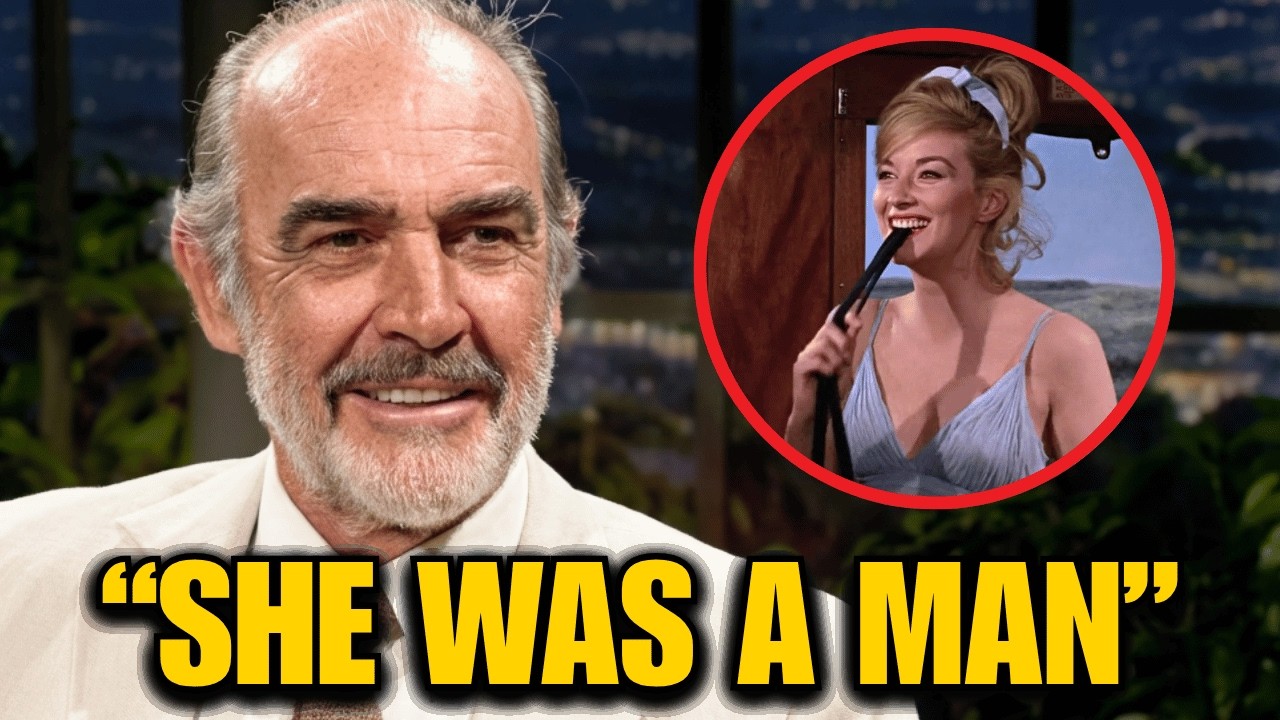 As the film celebrates its history, it becomes apparent that the stakes were far higher than cinematic thrills. Armendáriz, who portrayed the beloved character Kerim Bey, battled a severe illness while filming. His determination to complete his scenes led to a heartbreaking conclusion, as he chose to end his life shortly after production wrapped. The urgency on set mirrored the gravity of his situation, casting a shadow over the film’s legacy.
In a chilling twist of fate, just days before Kennedy’s assassination, he screened “From Russia with Love” in the White House. This quiet moment transformed into a poignant historical footnote, linking the film to one of America’s darkest days. The film, initially a mere sequel, became a significant part of a national tragedy, forever altering its perception.
The film’s success was not merely a product of its thrilling plot; it was propelled by Kennedy’s endorsement of Ian Fleming’s novel, which he listed among his favorites. This unexpected boost gave the film the momentum it needed to become a cultural phenomenon. The producers seized the opportunity, recognizing that the right sequel could either elevate or doom the budding franchise.

The film’s opening sequence shocked audiences with its audacity. The apparent death of Bond in the first moments created an immediate tension that set the tone for the rest of the movie. This bold choice, initially intended as a later scene, became a defining moment, establishing the now-iconic cold open structure for future Bond films.
Among the film’s many innovations was the introduction of Q, the quartermaster who equipped Bond with gadgets. This character became a staple in the franchise, bringing a sense of order to the chaos of espionage. The briefcase, featuring hidden weapons and traps, marked the beginning of Bond’s gadget era, setting a precedent for the elaborate tools that would follow.

The film also took risks with its action sequences. The brutal train fight between Bond and Red Grant redefined how physical confrontations were portrayed on screen. Filmed over three weeks, the scene’s rawness and lack of musical score heightened its realism, immersing viewers in the tension of the moment.
Yet, not all was seamless behind the scenes. Director Terence Young faced life-𝓉𝒽𝓇𝑒𝒶𝓉𝑒𝓃𝒾𝓃𝑔 danger when a helicopter he was in crashed into the water during location scouting. Remarkably, he returned to set the same day, a testament to the relentless pace of production and the pressure to deliver a film that would capture audiences.

The casting choices also tell a compelling story. Daniela Bianchi, who played Tatiana Romanova, was only 21 and did not speak fluent English, relying on phonetics to deliver her lines. This unique challenge pushed her performance to rely more on physicality, creating a nuanced character that resonated with viewers.
As “From Russia with Love” continues to be celebrated, these lesser-known facts reveal a film that was not just a sequel, but a complex tapestry woven with real-life struggles, historical significance, and groundbreaking cinematic techniques. The legacy of this film is a reminder of the thin line between art and reality, where every detail carries weight beyond the screen.