In a harrowing culmination of a life marred by violence and tragedy, Christopher Anthony Young was executed in Texas on July 17, 2018. After spending 12 years on death row, Young’s last meal was a standard prison fare, and his final words resonated with a haunting plea for awareness among youth, reflecting on his tumultuous past.
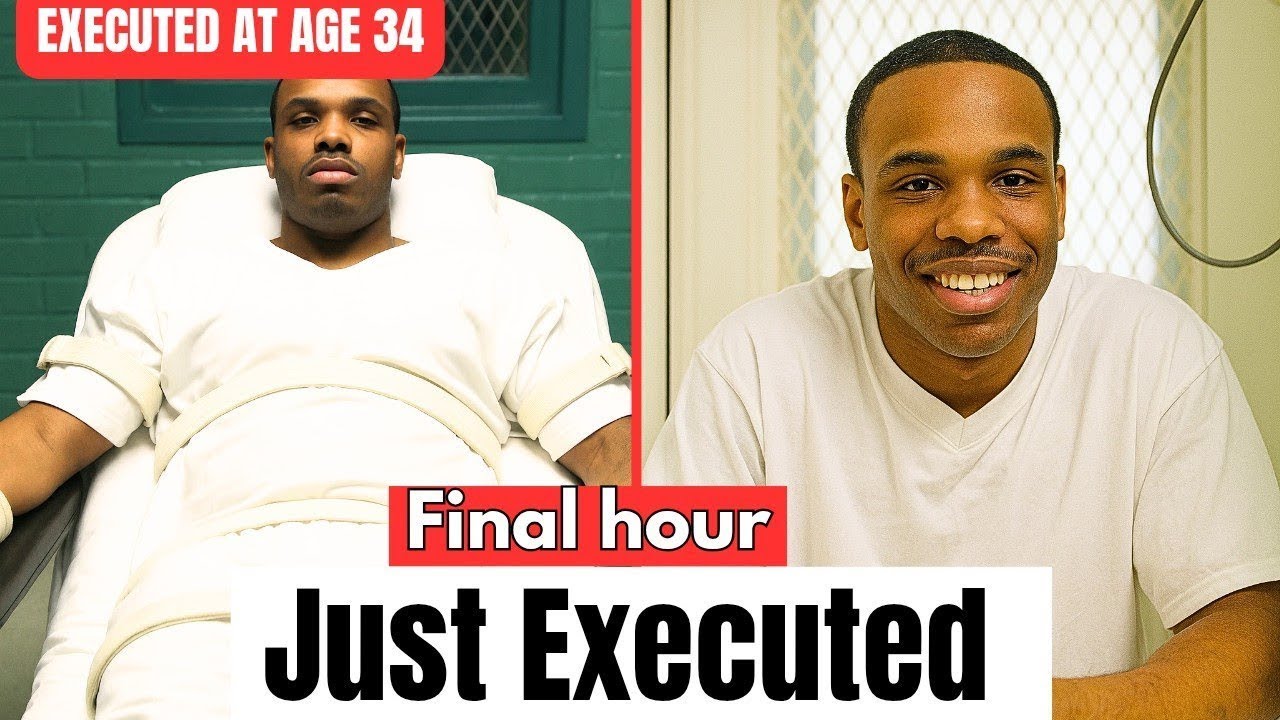
Young’s story began in San Antonio, where a gifted child with a bright future spiraled into gang violence after the murder of his father. This pivotal moment shattered his childhood, leading him down a dark path filled with drugs, crime, and ultimately, death row.
At 21, Young committed a brutal robbery that ended in the murder of Hmuk Patel, a beloved store owner. The crime was fueled by a cocktail of addiction and untreated trauma, yet the repercussions were devastating for his victims and families. Young’s life was a tragic reflection of the cycle of violence that ensnared him from a young age.
During his years on death row, Young underwent a profound transformation. He connected with fellow inmates and began mentoring younger prisoners, striving to impart lessons learned from his painful journey. He developed a program aimed at guiding youth away from the streets, hoping to prevent them from following in his footsteps.
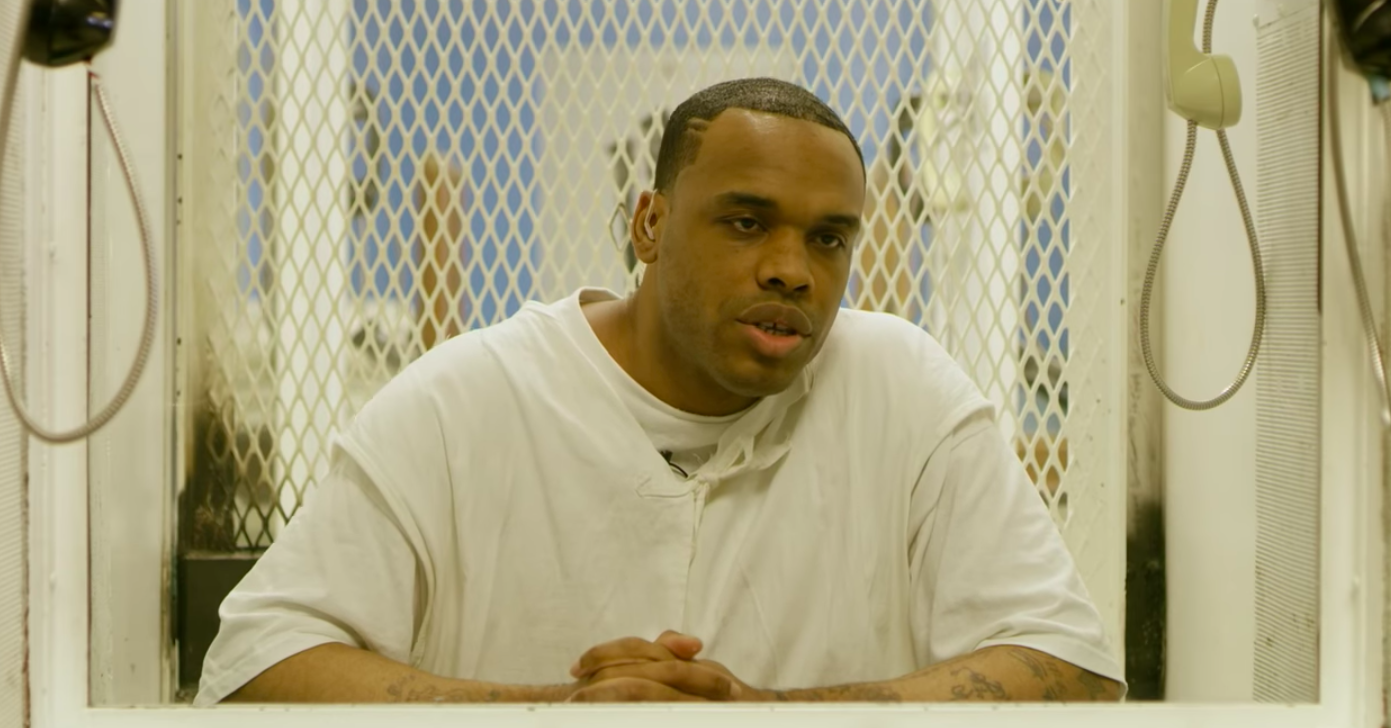
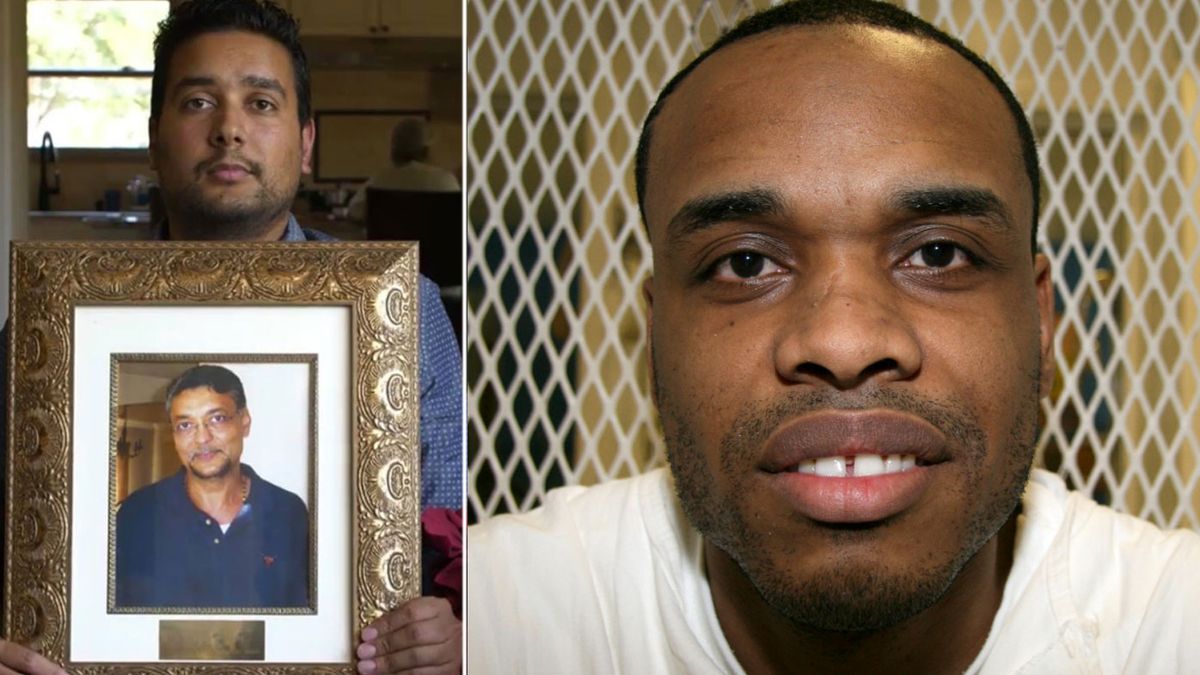
In a remarkable twist, Mitesh Patel, the son of his victim, publicly advocated for Young’s clemency, arguing that forgiveness was a powerful choice. Mitesh’s plea highlighted the complexities of justice, challenging the notion of retribution in the face of personal loss and trauma.
On the eve of his execution, Young faced the Texas Board of Pardons and Paroles, articulating his remorse and the lessons he had learned. He drew a stark comparison between his case and that of Thomas Whitaker, a white man who had planned the murders of his family yet received clemency. Young’s execution raised urgent questions about racial disparities in the justice system.
As the clock ticked down to his execution, Young spent his final hours reflecting on his life. He shared heartfelt messages with his daughters and the young people he mentored, urging them to learn from his mistakes. His last meal was a somber reminder of the life he was about to leave behind.
In the execution chamber, Young’s last words echoed a poignant message of hope for future generations. He expressed love for the Patel family and urged children to understand the consequences of their choices. His final moments were a haunting reminder of the life he once led and the lives forever altered by his actions.
At 6:39 p.m., Christopher Young’s life came to a tragic end, leaving behind a legacy of pain and a complex narrative of redemption and loss. The questions surrounding his execution linger, challenging the very foundations of justice and mercy in America. As the debate continues, the story of Christopher Young serves as a heartbreaking reminder of the human cost of violence and the possibility of change—even in the darkest of circumstances.