A man at the center of a decades-long legal and moral saga has been put to death in Alabama, following an execution that took over three hours and is now under intense scrutiny. Joe Nathan James Jr., 50, was executed by lethal injection at the William C. Holman Correctional Facility for the 1994 murder of his ex-girlfriend, Faith Hall. The execution proceeded despite public pleas for clemency from Hall’s own family, adding profound ethical weight to a case already marred by procedural irregularities.
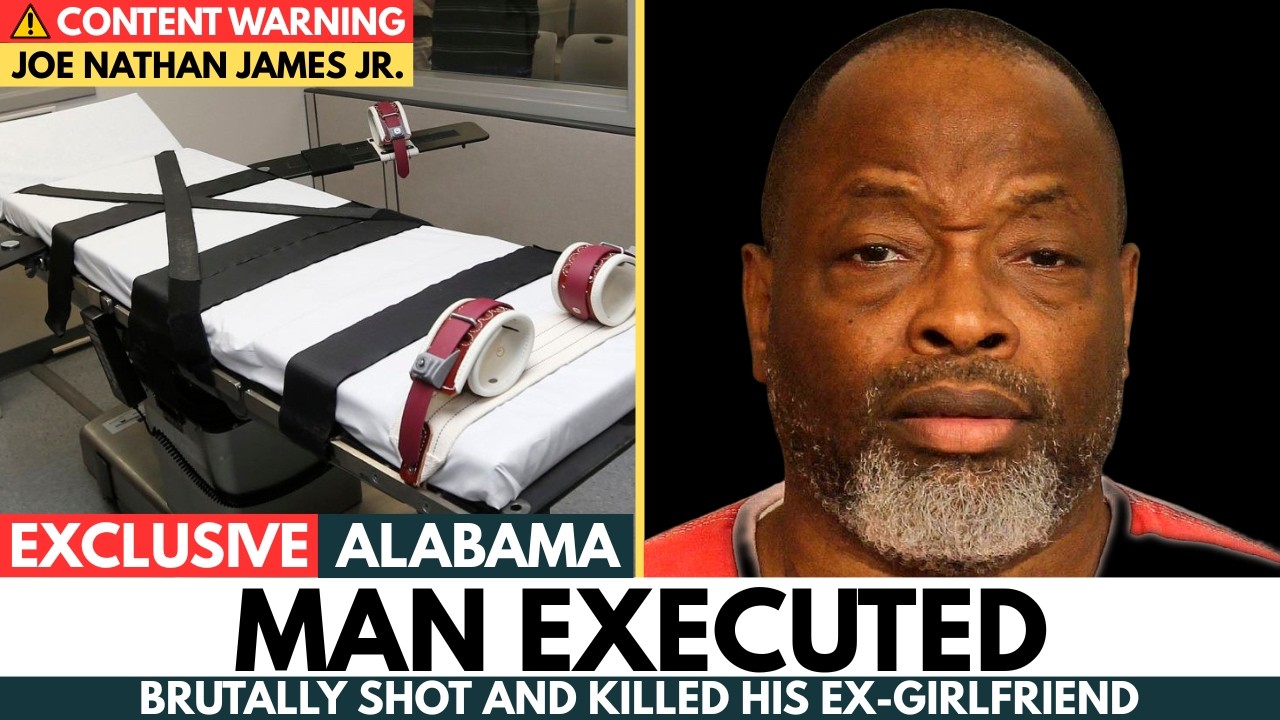
The execution, scheduled for 6 p.m. on July 28, 2022, did not conclude until 9:27 p.m., marking one of the longest lethal injection procedures in modern U.S. history. Official witnesses reported James showed no visible signs of consciousness, offered no final statement, and did not open his eyes during the extended process. State officials have stated the delay was due to time spent establishing IV access, but have provided no detailed timeline.
A subsequent independent autopsy has fueled allegations of a botched procedure. The report, commissioned by James’s family and reviewed by media outlets, revealed numerous puncture wounds on his hands, arms, and elsewhere. Forensic pathologists noted injuries suggestive of repeated, difficult attempts to set intravenous lines, potentially indicating he experienced significant complications before the lethal drugs were administered.
This controversial outcome culminates a case that began with a brutal crime of intimate partner violence. In August 1994, James forced his way into a Birmingham apartment where Hall, 26, was with a friend and children. After a confrontation, he shot Hall multiple times. She was pronounced dead at the scene, a killing witnesses described as cold and deliberate.
James was initially convicted and sentenced to death in 1996. That conviction was overturned on appeal due to improperly admitted evidence. A second trial in 1999 again resulted in a capital murder conviction and a death sentence, which was upheld through years of appeals. Throughout his incarceration, James converted to Islam and maintained a low profile.
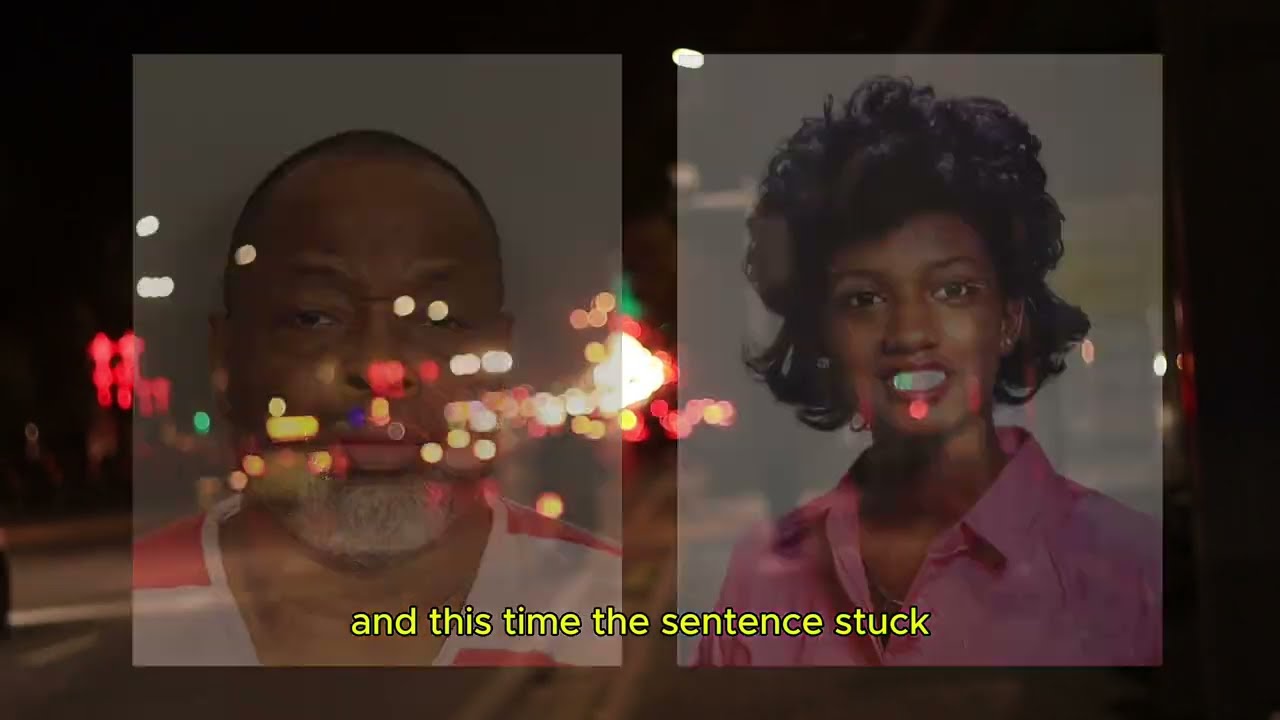
In a stunning development years later, Faith Hall’s adult daughters publicly opposed his execution. Having been children at the time of their mother’s murder, they stated they had forgiven James and asked the state to commute his sentence to life without parole. They argued that taking another life would not honor their mother’s memory or bring them peace.
“We have forgiven Mr. James for taking our mother away from us,” the family said in statements. “We do not wish to see him executed. We want to end this cycle of violence and death.” Their appeals to the Alabama Board of Pardons and Paroles and to Governor Kay Ivey were ultimately rejected without public explanation.
The state proceeded, asserting it was fulfilling the lawful sentence imposed by the courts. Alabama Attorney General Steve Marshall stated after the execution that “Justice has been served for the murder of Faith Hall,” emphasizing the jury’s verdict and the judicial process spanning nearly three decades.
In his final days, James’s legal team mounted several last-minute challenges. One central claim argued that the state failed to properly notify him of a 2018 law allowing death row inmates to choose execution by nitrogen hypoxia, an untested method. He contended this denied him a potential opportunity to delay his execution or select an alternative. Federal courts rejected this and other appeals.
The prolonged execution and its aftermath have intensified national debate over lethal injection protocols. Alabama, along with other states, has faced increasing difficulty obtaining the drugs and medical personnel required for the procedure, leading to more frequent reports of problematic executions. Witness accounts of James’s stillness and silence throughout the three hours have raised questions about his condition and awareness.

Alabama Department of Corrections Commissioner John Hamm stated officials took the necessary time to ensure venous access was established properly, citing a commitment to following the protocol. He denied that any signs of distress were present. However, the private autopsy’s findings contradict the official narrative of a smooth process, pointing to potential suffering.
The fallout has been immediate and significant. In November 2022, following internal reviews of James’s execution and two other troubled lethal injections that year, Alabama Governor Kay Ivey announced a temporary pause on executions. The state acknowledged it was conducting a “top-to-bottom review” of its procedures, though it maintained the executions were legally conducted.
This case forces a confrontation with fundamental questions about justice, retribution, and victim autonomy. Legal scholars note that while victim impact statements are often used to argue for harsh sentences, the wishes of victims’ families are not legally binding. The state’s interest in enforcing court-ordered sentences can, and in this case did, override the family’s plea for mercy.
Critics of the death penalty point to this execution as a stark example of systemic flaws. “When the family most directly harmed says ‘this is not justice,’ and the state does it anyway in a manner that appears torturous, it undermines the very moral authority the death penalty claims,” said a representative from a national anti-death penalty organization.
Supporters of capital punishment argue that the sentence was a just consequence for a premeditated, heinous crime. They maintain that societal justice exists independently of private forgiveness and that the legal system must uphold the penalties it lawfully imposes, regardless of later appeals for clemency.
The legacy of Faith Hall remains central. Described by loved ones as a vibrant young mother, her life was cut short by a pattern of stalking and obsession that escalated fatally. Her family’s journey from grief to forgiveness stands as a powerful, yet ultimately disregarded, narrative in the final chapter of her killer’s life.
As Alabama’s execution moratorium continues, the case of Joe Nathan James Jr. serves as a potent catalyst for re-examination. It highlights tensions between legal finality and procedural humanity, between state power and victim voice, and between the desire for closure and the reality of a punishment that, in its application, may create new wounds alongside the old. The search for answers about what truly happened in the execution chamber that July evening continues, even as the debate over its justification rages on.
Source: YouTube