Archaeologists have made groundbreaking discoveries at the ancient site of Shiloh, where the Ark of the Covenant and the tabernacle once stood. These stunning finds, including evidence of sacrificial rituals and artifacts, bring biblical history to life, confirming the sacred significance of this long-forgotten location.

Shiloh, nestled in the hill country of Ephraim, was the spiritual heart of Israel for centuries. It was here that the tabernacle stood, serving as the central place of worship where the Ark of the Covenant rested. Recent excavations have unveiled remarkable evidence that validates the biblical narrative, proving that these ancient stories are rooted in real history.
Led by Dr. Scott Stripling from the Associates for Biblical Research, the archaeological team has unearthed a wealth of artifacts, including thousands of charred animal bones. These remains align perfectly with Old Testament sacrificial practices, indicating that worship occurred at this sacred site. This is not mere debris; it is a testament to a vibrant religious life.
Among the finds are ceramic pomegranates, symbols commonly associated with the priesthood, as well as storage jars and ritual vessels. The discovery of a rare Egyptian scarab dating back to the time of the judges further connects Shiloh to the broader ancient world, enriching our understanding of its historical significance.
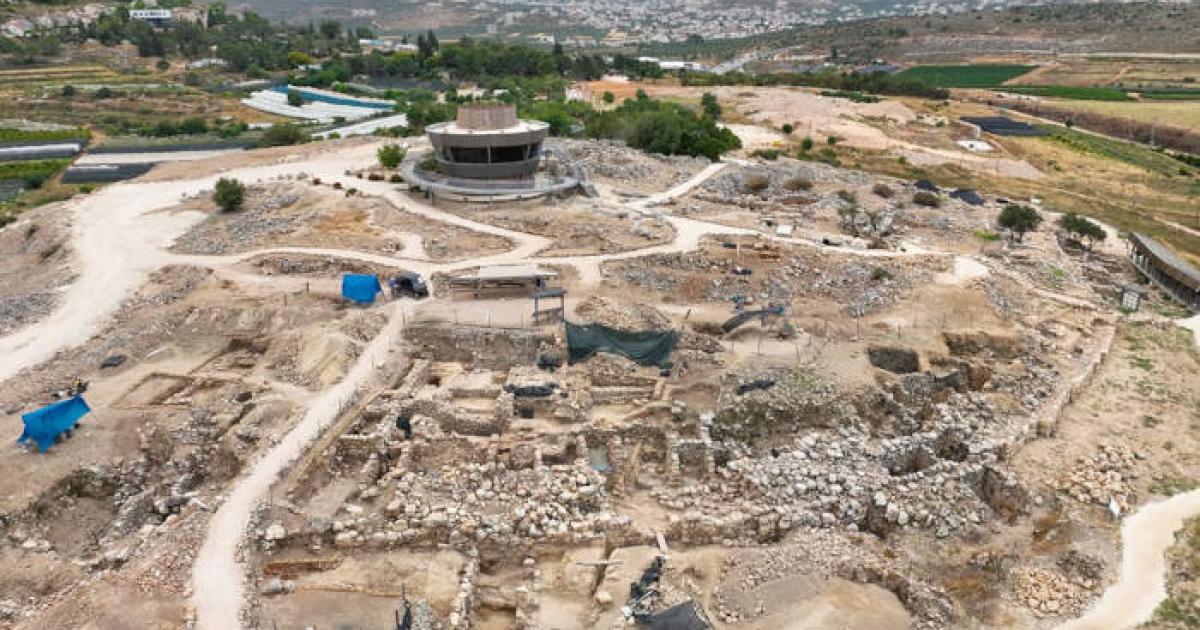
The layout of the site has also revealed a large, level area believed to be the very platform where the tabernacle once stood. This finding raises profound questions: Could this be the spot where the Ark of the Covenant was housed? The implications are staggering, as archaeologists peel back layers of history that have remained hidden for millennia.
As the team continues its excavation, they are not only uncovering artifacts but also stories that resonate with faith. The ground beneath their feet may have once echoed with the voice of young Samuel, who first heard God’s call in this sacred space.
Shiloh’s story is one of divine presence and human response, a reminder of a time when God dwelt among his people. These discoveries serve as a powerful invitation for today’s believers to reconnect with their faith, underscoring that the Bible is alive with history, not just ancient words.
The importance of these findings cannot be overstated. They challenge skeptics and embolden believers, providing tangible evidence that the biblical narrative is grounded in reality. Each artifact unearthed is a call to remember the sacredness of Shiloh and the lessons it teaches about faith, worship, and divine interaction.
As excavations progress, the potential for further discoveries remains high. Will more artifacts be found that shed light on the tabernacle’s design? Will personal items from priests or worshippers emerge from the earth? Only time will reveal what secrets Shiloh still holds.
Shiloh is no longer a mere entry in a history book; it is a living testament to God’s enduring presence and promises. The stones of this ancient city are calling out to us, urging us to listen and reflect on the sacred journey of faith. As we witness these discoveries, we are reminded that the stories of the past continue to shape our present and future.