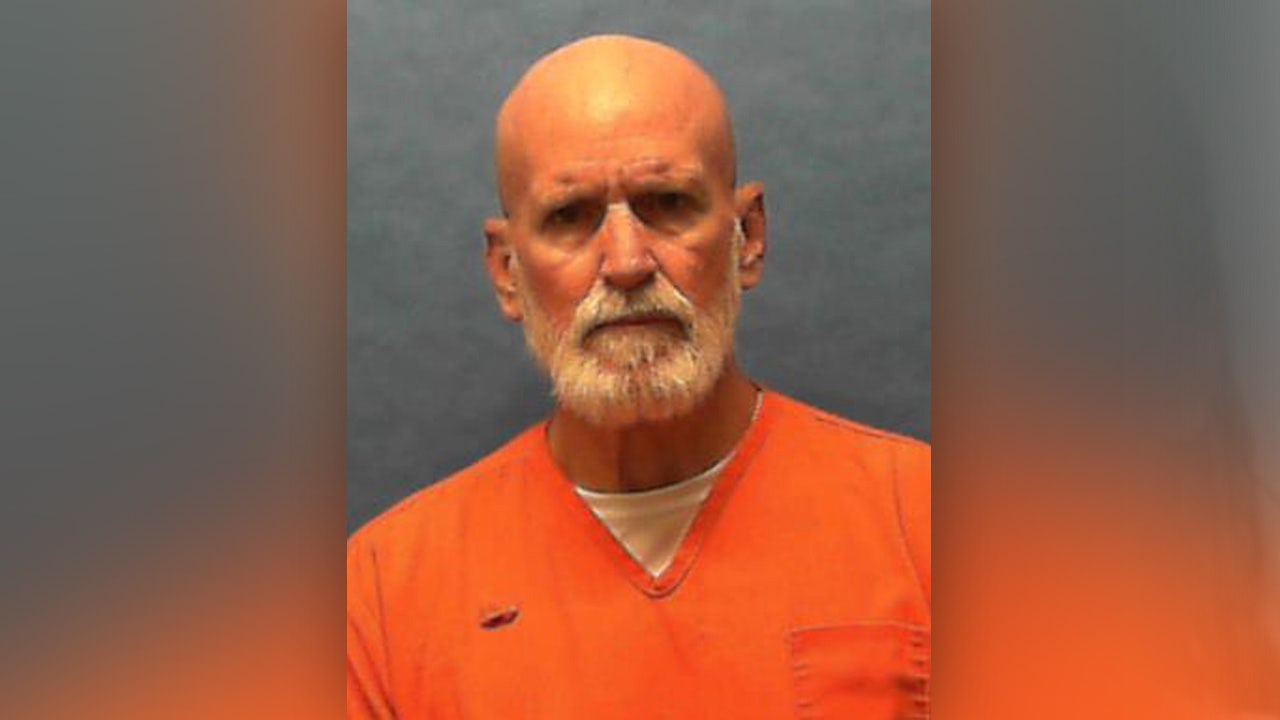
Florida has executed Brian Frederick Jennings by lethal injection on November 13th, 2025, ending a harrowing chapter of over 46 years on death row. Jennings was convicted of the brutal abduction, rape, and murder of 6-year-old Rebecca Kunash in 1979, a crime that shocked the state and haunted a grieving family for decades.

The chilling case dates back to May 11th, 1979, on Merritt Island, Florida, where a Marine on military leave committed a monstrous act. Jennings, intoxicated, returned to the Kunash family home in the early morning hours, breaking into the six-year-old girl’s bedroom. His actions set in motion a nightmare no one in the quiet neighborhood would ever forget.
That fateful morning, under the faint glow of a nightlight, little Rebecca Kunash was abducted from her bed. Jennings forcibly removed her from the bedroom, carrying her to his car parked nearby. Witnesses later recalled his disheveled, soaked appearance shortly after the crime, details that linked him unmistakably to the scene.
In a remote area by the Girard Street Canal, Jennings inflicted unspeakable violence on Rebecca. The 𝒶𝓈𝓈𝒶𝓊𝓁𝓉 caused severe injuries culminating in a fatal skull fracture. Despite her grievous condition, Jennings drowned the child in the canal, extinguishing a young life in an act of chilling cruelty.
Rebecca’s body was discovered floating in the canal on the very day she disappeared, sparking a swift and intense police investigation. Physical evidence, including matching shoe prints and Jennings’ fingerprints on her bedroom window, bolstered the case against him. Witness descriptions further sealed his fate in the eyes of law enforcement.
Detained hours later for an unrelated traffic warrant, Jennings’ soaked clothing and matching description made him the primary suspect. Faced with mounting evidence and interrogation, he confessed to the horrific crime, a confession that became pivotal in the ensuing trial and his eventual conviction.
In February 1980, Jennings stood trial facing charges including first-degree murder, kidnapping, and burglary. The prosecution presented damning evidence, including his own recorded confession and testimonies from former cellmates revealing admissions of guilt. The jury unanimously found Jennings guilty on all counts.
On May 7th, 1980, Jennings was sentenced to death and multiple life sentences for his crimes. For over four decades, he remained on Florida’s death row, navigating a labyrinth of appeals and legal challenges. His execution was stayed once in 1989, nearly ending differently but justice was ultimately delayed, not denied.
The turning point came on October 10th, 2025, when Governor Ron DeSantis signed the death warrant, scheduling Jennings’ execution for November 13th. Despite years of attempts to overturn or delay the sentence, the state moved forward decisively, signaling an end to the long-awaited punishment for the horrific crime.
At 6:00 p.m. on November 13th, 2025, Brian Frederick Jennings was executed by lethal injection at Florida State Prison in Stark, Florida. At 66 years old, his death marked a grim closure to one of the state’s most notorious child murder cases. His final words were brief and devoid of remorse: “No.”
Rebecca Kunash’s parents had passed away years prior, never witnessing the man convicted of their daughter’s brutal murder face justice. The community remains deeply scarred by the tragedy, mourning the loss of innocence and the prolonged nightmare that Jennings’ actions inflicted upon a family and a state.
This execution resurrects painful memories while delivering a stark message on the severity of justice in cases that devastate families and communities. Florida’s resolve to uphold the law in the face of horrific crimes underscores the relentless pursuit of accountability, even decades after a crime’s commission.
Jennings’ four-decade wait on death row was a lengthy chapter marked by legal battles and moral debate. Yet, for the Kunash family and many to whom the case meant a profound heartbreak, the execution symbolizes an end to a long-fought quest for justice and truth.
As this grim case closes, the focus returns to the victims and the legacy left behind. The haunting memory of Rebecca’s life and tragic death serves as a solemn reminder of the need for vigilance against violence and the importance of swift, unwavering justice when such atrocities occur.
Florida law enforcement and judicial systems have underscored their commitment to seeing justice fulfilled, even when delayed by years of litigation and procedural holds. Jennings’ case, steeped in tragedy, reflects the complexities and emotional weight carried by capital punishment cases in the state.
The details surrounding Jennings’ final moments—his silent refusal of final words and the somber execution room—highlight the stark reality of capital punishment. While the execution closes one narrative, the ripples of pain and loss continue to reverberate through the he
arts of those affected forever.
This breaking news event serves as a chilling reminder of the darkness that can infect a community and the long, arduous road to justice. It marks a pivotal moment in Florida’s criminal justice history, combining the sobering realities of crime, punishment, and the search for closure.
The state’s swift action following the signing of the death warrant reflects a recommitment to enforcing justice firmly for the most heinous offenses. Jennings’ execution concludes a decades-long chapter of horror and reconciliation, a stark signal to offenders and the public about the grave consequences of such crimes.
As the dust settles on this tragic saga, public discourse is expected to intensify on capital punishment’s role in modern justice. But for now, Florida has delivered its final verdict—extinguishing a life marked by unspeakable violence, bringing a measure of justice for a six-year-old’s stolen innocence.
The echoes of Rebecca Kunash’s story will continue to haunt the community and shape discussions around crime prevention, victim advocacy, and justice system efficacy. The completion of Jennings’ sentence does not erase the pain, but it stands as a definitive response to a crime that shocked the nation.
As Florida moves forward, the hope remains that the memory of Rebecca’s life will inspire stronger protections for children and swifter actions against those who pose threats to the most vulnerable. The brutal crime and subsequent execution underscore the urgent need for vigilance and resolve in the justice system.
The execution of Brian Frederick Jennings concludes an agonizing chapter filled with grief, legal battles, and a relentless pursuit of justice. It highlights the enduring impact of heinous crimes on families and society and the somber responsibilities borne by the justice system in responding to such acts.
This event reverberates beyond legal boundaries, touching emotional and social chords within Florida and across the nation. It is a stark portrayal of the consequences that follow when justice is delayed but never abandoned, a lesson etched in the memories of many, especially the Kunash family.
Florida’s justice system has taken decisive action in administering the ultimate penalty for a crime that forever altered lives. This breaking news not only marks a conclusion to Jennings’ story but also serves as an urgent call to confront and prevent such brutality at its roots.
The tragic story of Rebecca Kunash and the ultimate fate of Brian Frederick Jennings will remain ingrained in the public consciousness. It is a raw testament to the fragile innocence of childhood and the heavy toll exacted when that innocence is violently stolen.
Authorities and communities reflect today on the significance of this moment. The execution, while bringing closure to the punishment chapter, reopens dialogues about support for victims’ families, legal reforms, and preventative measures necessary to safeguard children from similar tragedies.
As Florida sets this somber milestone, it calls upon society to remember the victims first and foremost. The loss suffered demands not only justice but also healing and commitment to ensuring such terrible acts do not repeat, emphasizing the profound responsibility held by all.

Brian Frederick Jennings’ execution by lethal injection signals the culmination of a long, painful saga tied to one of Florida’s most horrific crimes. It is a moment marked by sorrow, justice served, and an unyielding reminder of the cost of violence against the innocent.