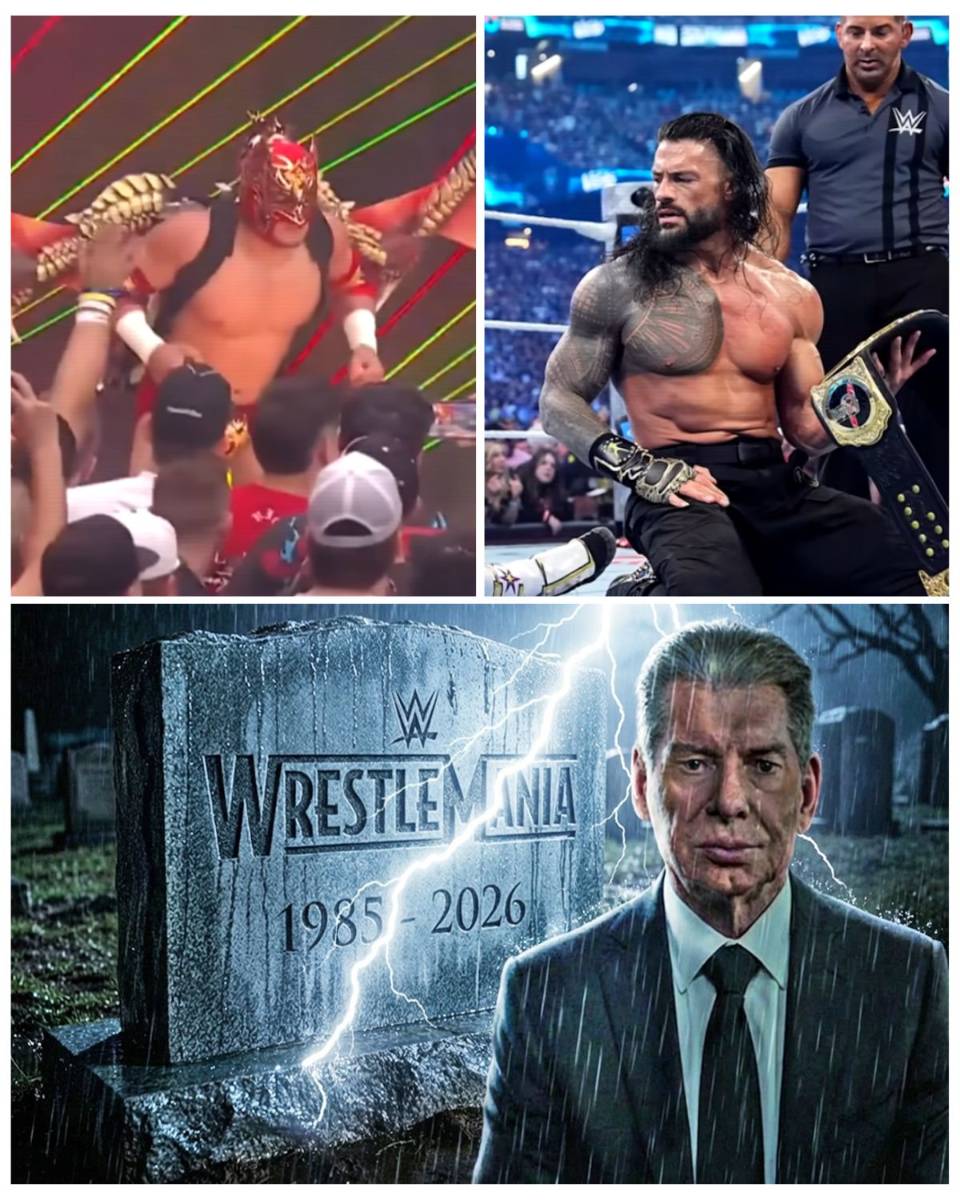
In a stunning blow to the world of professional wrestling, WWE’s flagship event, Wrestlemania 42, has been declared a catastrophic failure, drawing widespread condemnation for its soulless commercialization, excessive celebrity pandering, and lackluster in-ring action that left fans disillusioned and the event’s legacy in tatters.
 The backlash against Wrestlemania 42 erupted almost immediately after the two-night spectacle concluded, with critics and enthusiasts alike labeling it as one of the most disappointing editions in the event’s storied history. Once hailed as the pinnacle of sports entertainment, this year’s show transformed into a glaring example of corporate greed overshadowing genuine athletic prowess. Night One faced the brunt of the criticism, where matches dragged under the weight of incessant advertisements and forced celebrity cameos that felt out of place and disconnected from the core product.
WWE’s shift to a two-night format in 2020, initially praised for allowing more breathing room for talent, has now backfired spectacularly under TKO’s ownership. Executives prioritized ad revenue and sponsorships over storytelling, resulting in a broadcast littered with commercials after nearly every match. This relentless focus on monetization alienated viewers, turning what should have been an exhilarating experience into a tedious marathon of interruptions.
One of the most egregious missteps was the overreliance on celebrities, a move mandated by TKO to boost ticket sales. Pat McAfee’s insertion into the Cody Rhodes versus Randy Orton angle was particularly baffling, as the former NFL player had no meaningful history with the competitors. This decision sparked outrage among wrestlers and fans, who viewed it as a desperate and ill-conceived grab for mainstream attention.
The event’s creative direction, overseen by Triple H, appeared hamstrung by TKO’s interventions, leading to a fragmented card where women’s matches were criminally shortchanged. Matches on WWE’s secondary shows received more time than some high-profile bouts at Wrestlemania, a glaring insult to the athletes involved. Dragon Lee’s elaborate entrance, for instance, was unceremoniously cut short to accommodate ads, leaving the performer visibly disheartened.

Adding to the chaos, TKO’s aggressive advertising strategy saturated the event, with sponsors plastered everywhere from the ring mat to wrestlers’ gear. Gaming promotions for Street Fighter and Mortal Kombat, gambling ads featuring Tiffany Stratton, and even insurance mascots cluttered the screen, diluting the event’s essence. Fans reported that these incessant plugs made it impossible to stay engaged, turning Wrestlemania into a glorified commercial break.
The live experience suffered immensely, with attendees facing exorbitant costs that priced out everyday fans. Ticket prices soared, and premium experiences—like touring Cody Rhodes’ bus for $10,000—highlighted the event’s shift toward catering to the ultra-wealthy. John Cena’s announcement of attendance figures, which fell short of previous years, met with deafening silence, underscoring the growing disconnect between WWE and its audience.
International viewers on Netflix encountered additional frustrations, as the platform’s handling of ad breaks resulted in repetitive, annoying interstitials. A sneak peek of Hulk Hogan’s documentary played repeatedly—up to 13 times across the two nights—further emphasizing TKO’s misplaced priorities. This endless loop became a social media meme, symbolizing how far Wrestlemania had strayed from its roots.

WWE legends, once a staple of the event, were conspicuously absent. Stone Cold Steve Austin remained backstage without appearing, a missed opportunity that left fans yearning for the nostalgia that defined earlier eras. Instead, the spotlight fixated on fleeting celebrity guests who contributed little, eroding the event’s authentic wrestling appeal.
Critics argue that TKO’s profit-driven approach has fundamentally altered WWE’s identity. By bypassing Triple H for decisions like involving The Rock or Travis Scott, executives demonstrated a lack of faith in the company’s creative vision. Scott’s involvement, in particular, was a flop, with the rapper showing disinterest and fans decrying his irrelevant presence.
The fallout extends beyond the ring, raising questions about WWE’s long-term viability. If Wrestlemania continues on this path, with matches lacking buildup and storylines feeling forced, attendance could plummet. Fans are already turning to replays on streaming services to avoid the ad-heavy live broadcasts, a trend that could erode WWE’s revenue streams.

In interviews, wrestlers like CM Punk have openly criticized TKO’s pricing and business models, echoing the sentiment that Wrestlemania has lost its magic. Once a celebration for the die-hard fanbase, it now feels like an exclusive club for millionaires, complete with overpriced merchandise and experiences that border on the absurd.
This year’s event serves as a wake-up call for WWE and TKO. Without a swift return to prioritizing in-ring quality and fan engagement, the “Showcase of the Immortals“ risks fading into obscurity. The wrestling community is demanding change, and the pressure is mounting for executives to listen before it’s too late.
As the dust settles on Wrestlemania 42, one thing is clear: the event’s soul has been compromised. What was once a cultural phenomenon now stands at a crossroads, with its future hanging in the balance. Fans worldwide are left wondering if the spirit of Wrestlemania can ever be revived, or if this marks the beginning of its end.