Derrick Dearman, the man responsible for the brutal slaying of five individuals in a single night in Alabama, was executed by lethal injection on October 17, 2024. At 36 years old, Dearman faced the consequences of his heinous actions without a plea for mercy, having previously requested his own death.

The execution unfolded at the William C. Holman Correctional Facility in Atmore, Alabama, marking the end of a case that shocked the nation. Dearman’s last meal was a simple seafood platter, reflecting a stark contrast to the horrific violence he inflicted on innocent lives.
On the night of August 20, 2016, Dearman, high on methamphetamine, broke into a home in Citronel, Alabama, where his ex-girlfriend sought refuge. He brutally murdered five people, including a pregnant woman and her husband, using an axe before shooting them to ensure they were dead. The massacre left a three-month-old infant unharmed, a chilling reminder of the tragedy.
After the murders, Dearman kidnapped his ex-girlfriend and the infant, fleeing to Mississippi where he was eventually apprehended. His confession revealed a man tormented by drugs and mental illness, yet he later took responsibility for his actions, expressing a desire for justice for the victims’ families.
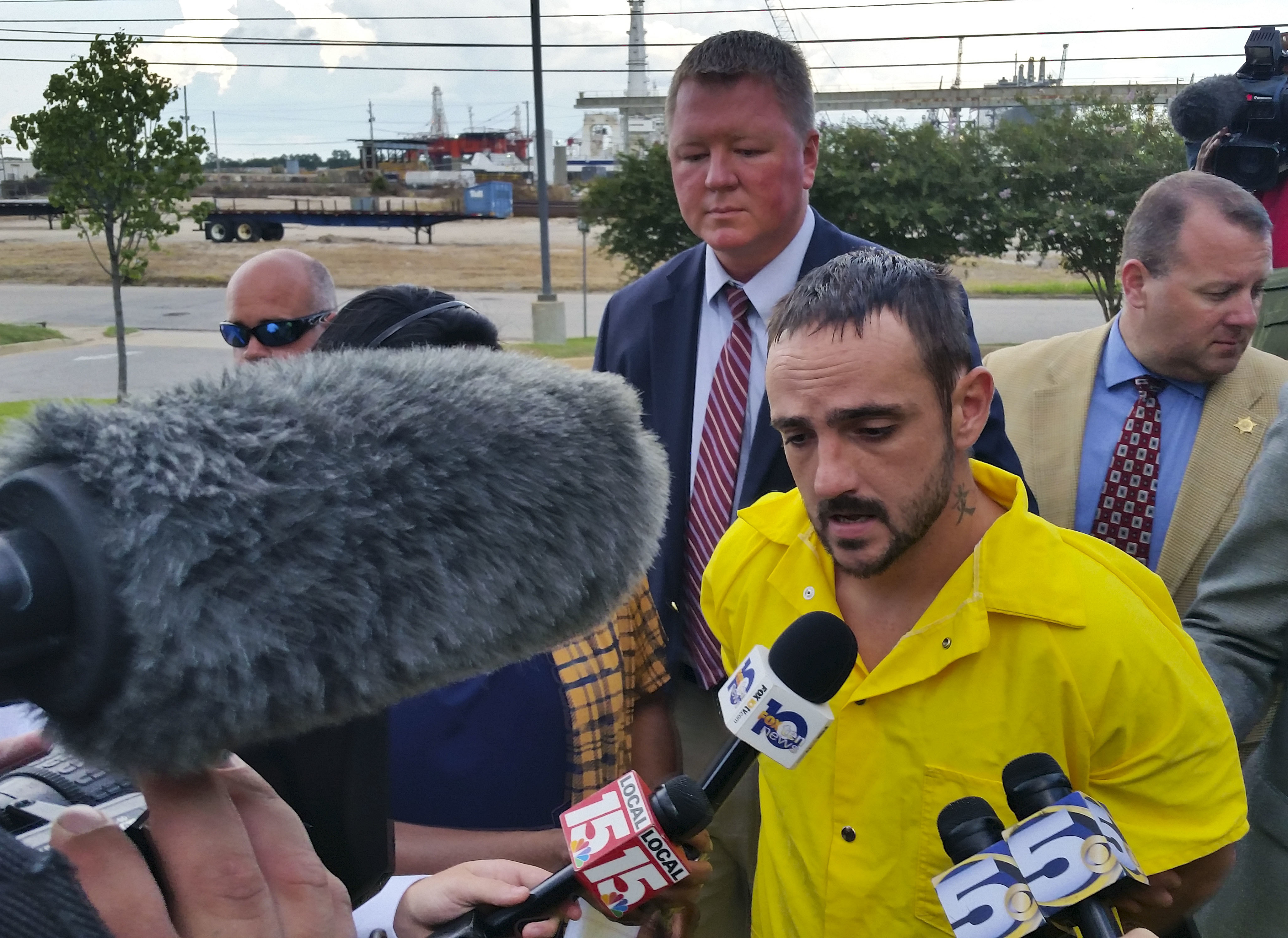
The legal proceedings that followed were fraught with complexity. Dearman, initially represented by attorneys, chose to represent himself, ultimately pleading guilty to multiple counts of capital murder. Despite his family’s pleas for mercy, a jury unanimously recommended the death penalty, which was imposed by the court.
Controversy surrounded the case, with advocates arguing that Dearman’s mental health issues were overlooked by the judicial system. The Equal Justice Initiative criticized the lack of proper evaluations regarding his competency, suggesting that a history of severe mental illness was ignored during the trial.
In the final days leading up to his execution, Dearman expressed remorse and a desire to repay his debt to society. He communicated with family members and wrote letters to officials, reaffirming his readiness to accept his fate and the consequences of his actions.

As the execution proceeded, Dearman spoke his last words to the victims’ families, asking for forgiveness and acknowledging the pain he caused. His execution was witnessed by family members of the victims, who expressed a mix of relief and sorrow, knowing that justice had been served but that their loss would remain forever.
In the aftermath, Alabama officials stated that justice had been fulfilled, while advocates for criminal justice reform mourned the systemic failures that led to such a tragic outcome. The case of Derrick Dearman serves as a haunting reminder of the intersections between mental illness, crime, and the complexities of justice in America.