James Garfield Broadnax was executed by lethal injection in Texas on April 30th, 2026, for the 2008 murders of two Christian music producers in Garland. His chilling on-camera laughter and admission of guilt months before the trial shocked the nation and framed a complex, haunting case that captivated public attention.

On a quiet June night in 2008, Steven Swan, 26, and Matthew Butler, 28, were found brutally murdered outside their recording studio. The young men, both Christian music producers, were fatally shot over a robbery yielding only two dollars. The crime stunned their community and set off a desperate search for the killer.
Authorities quickly zeroed in on 19-year-old James Broadnax, who soon confessed on camera. Sitting coolly in a jail interview four days after his arrest, Broadnax smiled and laughed, explicitly stating he hoped for a death sentence. “Hopefully death pen. Hopefully,” he said, admitting to killing the men.
At trial, Broadnax’s defense argued he was under the influence of PCP and marijuana during the crime and subsequent interviews. Despite this, witnesses described him as lucid and rational. The jury rejected this defense, convicted him of capital murder, and sentenced him to death, sealing his fate.
In a bold move often unseen in such cases, Broadnax brazenly displayed the victim’s driver’s license during a robbery brag session with his cousin shortly after the killings. The audacity and coldness of his actions deepened the case’s notoriety and painted a disturbing portrait of the young man.
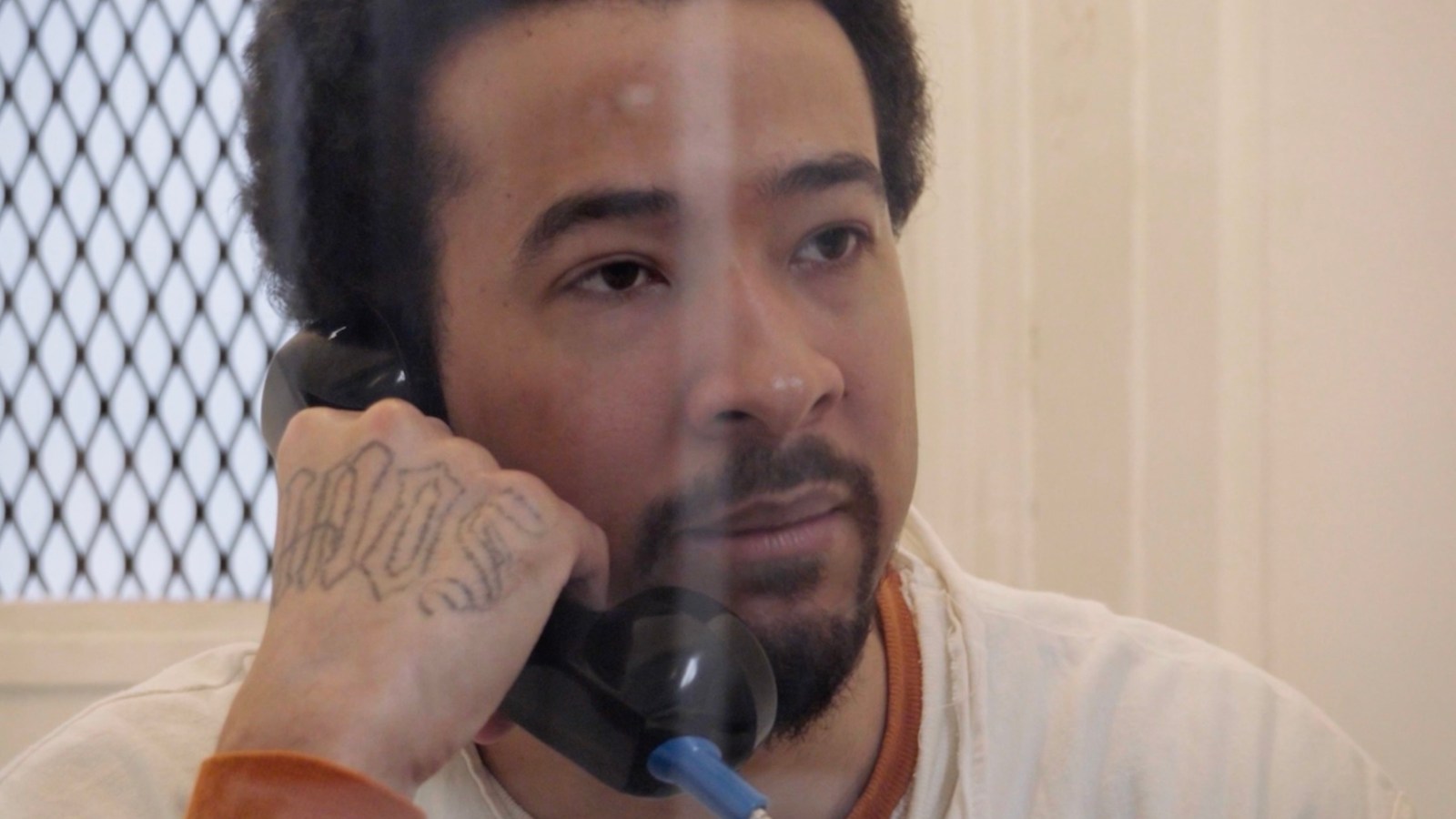
The prosecution presented over 40 pages of Broadnax’s own rap lyrics as evidence, highlighting violent themes to argue his dangerousness and mindset. Jurors saw these lyrics as a real glimpse into his psyche, further justifying the death penalty in their eyes and intensifying public debate.
Broadnax’s cousin, Dearius Cummings, initially admitted to involvement but denied being the shooter. Years later, shortly before Broadnax’s execution, Cummings confessed in a sworn affidavit that he was the actual killer, claiming Broadnax took the fall. This startling reversal sparked widespread controversy and doubt.
DNA evidence complicated the narrative further. Cummings’s DNA was found on the murder weapon, while Broadnax’s was absent. This revelation ignited appeals and calls for reconsideration of the conviction, prompting high-profile rappers and activists to intervene, alleging racial bias in the use of rap lyrics as evidence.
Despite these appeals and the last-minute confession, Texas courts repeatedly denied Broadnax’s bids to overturn his conviction. The families of the victims rejected any suggestion of innocence or guilt transfer, expressing deep pain and demanding justice remain intact as execution day loomed.
Just weeks before his execution, Broadnax married British human rights student Tiana Kresniki, who had corresponded with him during her research on racial injustices in the death penalty system. Their marriage, conducted behind glass with no physical contact, underscored the personal toll and human dimension shadowing the grim legal battle.
On April 30th, the execution proceeded at Huntsville’s Walls Unit. In his final statement, Broadnax once again declared his innocence, calling for societal change and a revolution sparked by his case. His words echoed as he was pronounced dead at 6:47 p.m., leaving unresolved questions about justice and truth.
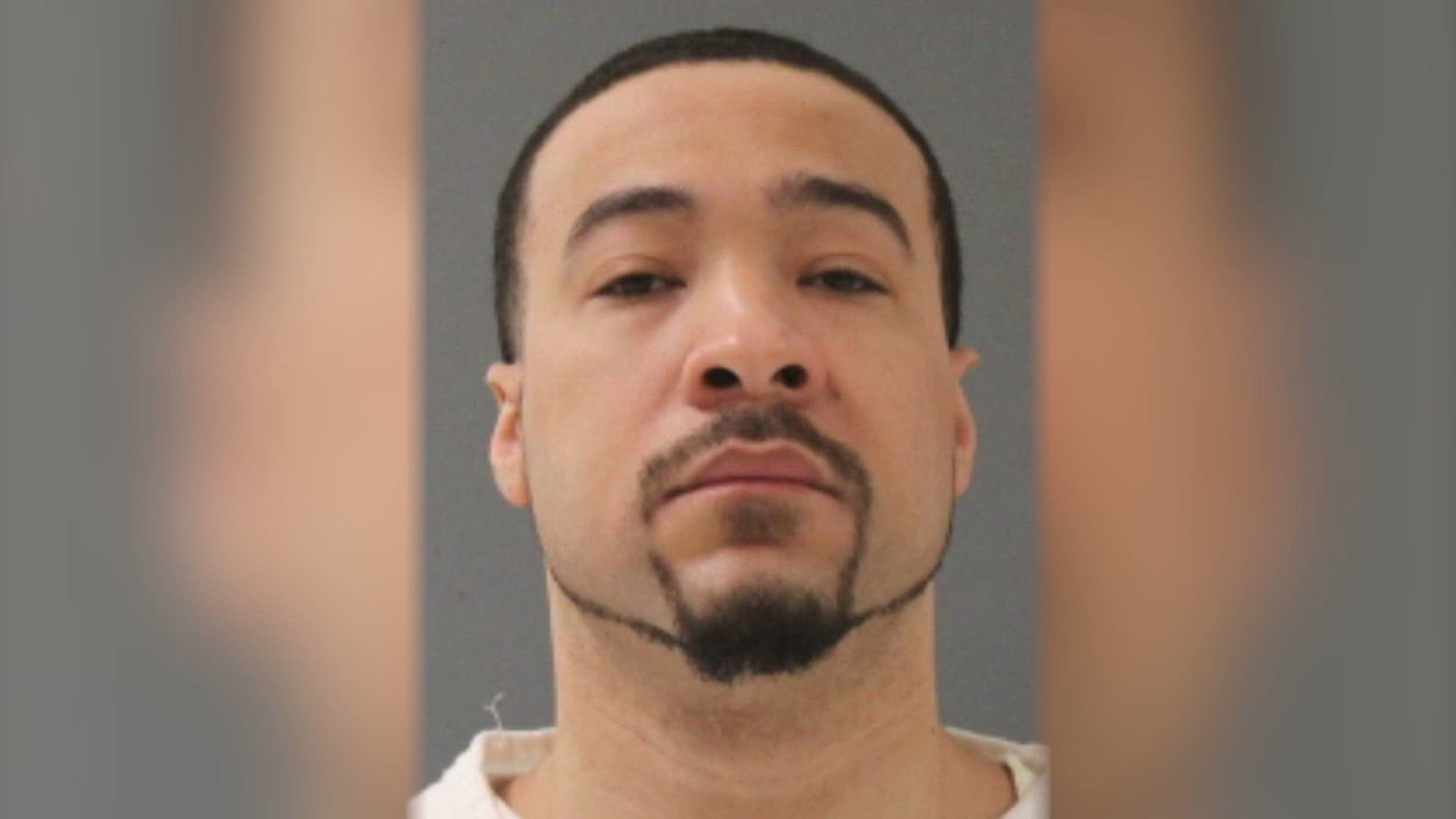
Broadnax’s execution marked the end of a dark chapter but ignited fierce debates about capital punishment, racial bias, and the ethics of using rap lyrics as evidence. The case remains a powerful example of the complexities in the criminal justice system and the profound consequences of a fatal verdict.
The families of Steven Swan and Matthew Butler mourned deeply, their grief compounded by public scrutiny and unresolved controversies. To them, the execution was justice served; to many others, it was a tragic, troubling moment exposing systemic flaws demanding urgent reflection and reform.
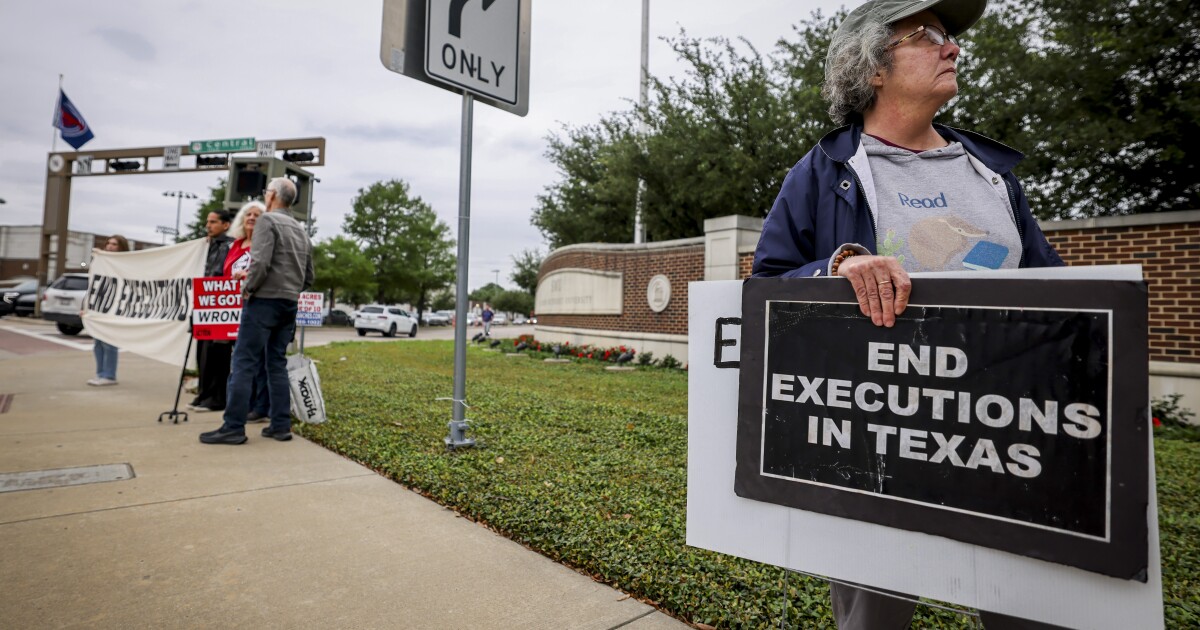
Now, as Texas closes the book on Broadnax, questions linger. Was justice truly served, or did the state execute a man who professed innocence to the very end? The echoes of this case reverberate through legal circles and communities alike, emblematic of a justice system in turmoil and transformation.