Derrick Dearman, the Alabama man convicted of brutally murdering five people, including an unborn child, in a single night in 2016, was executed by lethal injection on October 17, 2024. At 36, Dearman accepted his fate without resistance, marking a grim chapter in Alabama’s justice history.
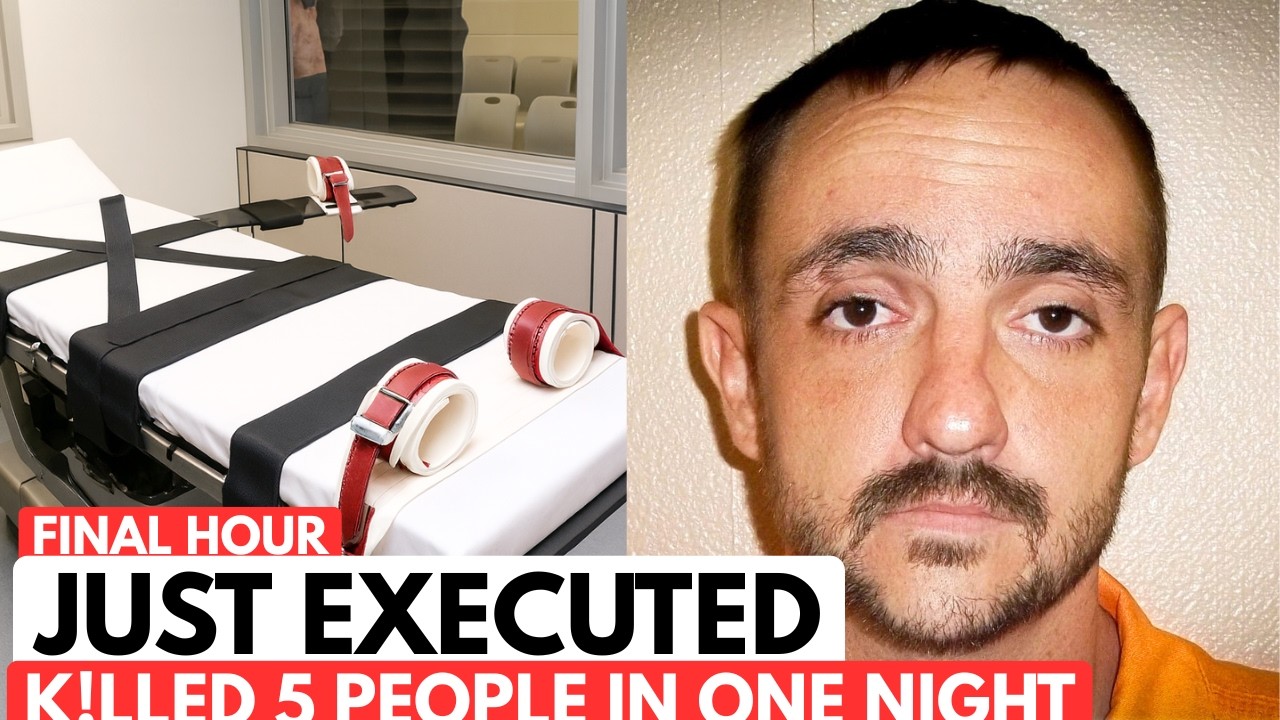
On that harrowing night in August 2016, under the influence of methamphetamine and plagued by mental illness, Dearman carried out a chilling spree of violence at a Citronelle, Alabama home. Five people were mercilessly killed, shattering families and communities, including an unborn baby legally recognized as a victim under Alabama’s fetal homicide law.
Dearman’s victims included Joseph Adam Turner, his wife Shannon Randall, their infant son, and close acquaintances Justin and Chelsea Reed, who was five months pregnant. Also lost was Robert Lee Brown, Shannon’s brother. The brutality of the crime left a permanent scar, described as “especially heinous” by court documents.
The perpetrator’s volatile past was marred by addiction and violent temper. Methamphetamine addiction dominated his life from a young age, leading to severe psychological issues and a track record of violence, particularly toward his girlfriend, Lenita Lester. Lester fled to her brother’s home seeking safety, only to face unimaginably tragic consequences.
In the early morning hours of August 20, 2016, Dearman forcibly entered the home after being repeatedly turned away. Armed with an axe and a gun, he executed a calculated attack. He assaulted and shot his victims methodically, sparing only Lester, whom he kidnapped along with the infant son before fleeing.
Dearman’s attempt to justify and explain was overshadowed by his severe mental health struggles. For years on death row, there were persistent warnings from defense attorneys about his mental stability, mood disorders, and suicidal ideation. Despite this, courts never fully addressed these concerns in his competency evaluations.
His legal battle was complex and controversial. He relinquished his right to counsel and appeals, choosing to represent himself, pleading guilty in 2018. His family intervened to provide mitigating testimony about his mental illness and addiction, yet the jury overwhelmingly recommended the death penalty.
Alabama’s justice system faced criticism from advocacy groups like the Equal Justice Initiative, which highlighted systemic failures in addressing Dearman’s mental health issues. The organization condemned the execution as a miscarriage of justice influenced by untreated and ignored mental illness throughout his incarceration.
In April 2024, after nearly six years on death row, Dearman decisively ended his appeals in handwritten letters to state officials. He expressed remorse and a desire to bring closure to the victims’ families. He also granted a rare interview, acknowledging his guilt and urging that the focus shift to healing victims.
His final moments were marked by somber reflection. Dearman requested a simple seafood platter for his last meal. In the execution chamber, he addressed the victim’s families with an apology and words of sorrow, showing a rare glimpse of human remorse before the lethal injection was administered.

The execution was carried out at the William C. Holman Correctional Facility in Atmore, Alabama, with family members of victims and media witnesses present. Dearman’s death was confirmed at 6:14 p.m., closing a painful chapter yet leaving deep wounds within the affected families and communities.
Victims’ families expressed mixed emotions: relief over justice served but profound grief over the irreplaceable lives lost. Bryant Henry Randall, related to several victims, spoke hauntingly of the final goodbyes never had, especially mourning the unborn child whose life was violently cut short before birth.
Derrick Dearman’s case has sparked intense debate about justice, mental illness, and capital punishment. Whether his voluntary execution represents accountability, remorse, or something more complicated remains a question that challenges legal scholars, ethicists, and society alike moving forward.
The grim reality remains: five lives were destroyed in one horrific night, leaving behind broken families and communities. Alabama’s fulfillment of the death sentence closes the legal proceedings, but the human cost lingers indefinitely in the hearts of those left behind.
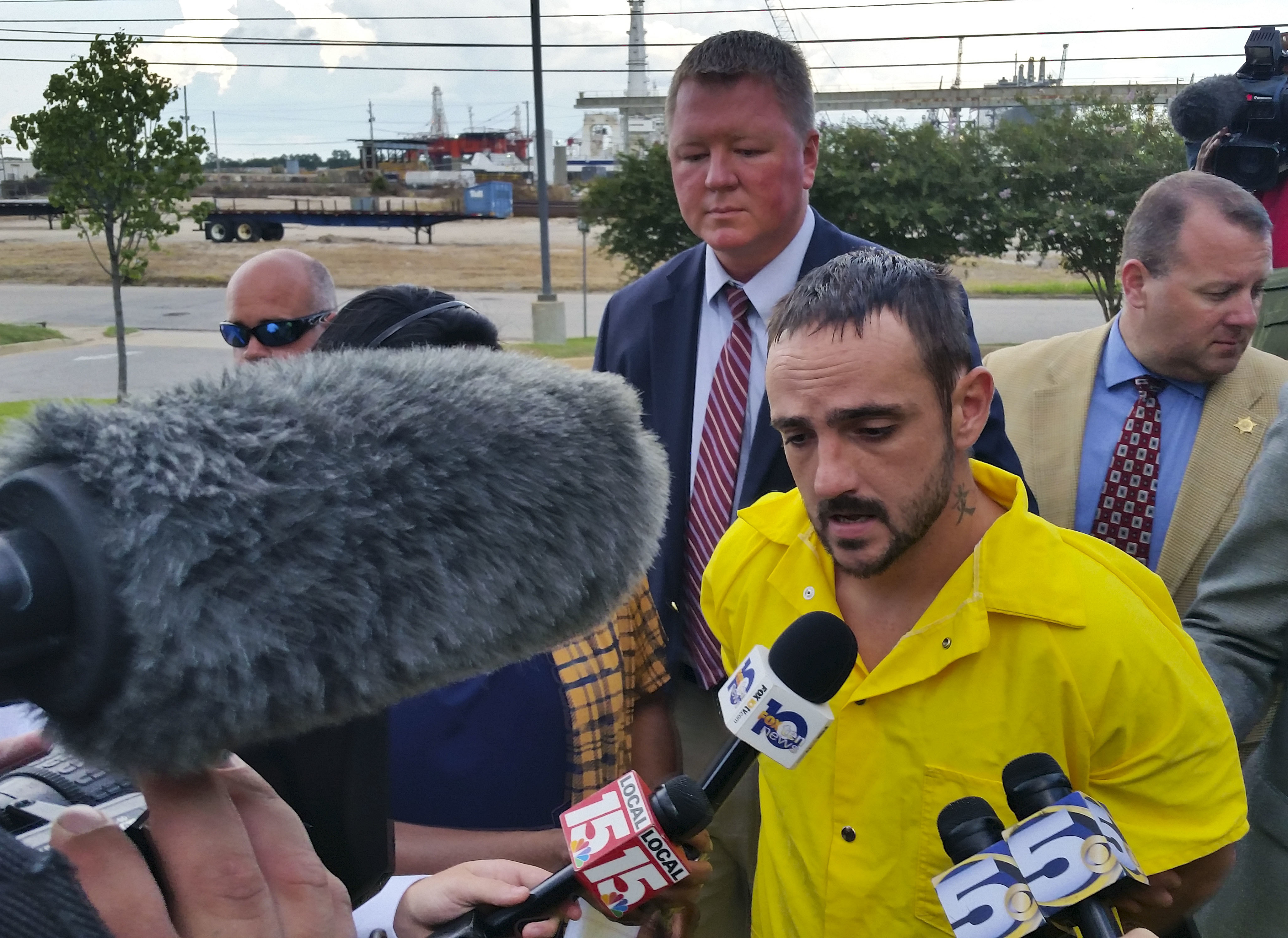
This case also underscores the ongoing struggle within the criminal justice system to appropriately address severe mental health disorders. The failure to adequately treat and evaluate Dearman’s condition before and after his crimes magnifies the complexities surrounding capital punishment in such fraught circumstances.
As the state fulfilled its legal obligation, the emotional toll endured by victims’ families, survivors, and even the perpetrator’s relatives highlights the enduring aftermath of violent crime—reminders that justice, though served, does not erase profound loss
or trauma.
In the final analysis, Derrick Dearman’s story challenges us to reflect on the intersection of mental illness, justice, and redemption. It forces uncomfortable questions about how society treats its most troubled citizens and how it balances punishment with compassion.
The haunted silence now envelops the site of the massacre; the home where five perished in 2016 has since burned down, a physical reminder of lives extinguished and the irreversible damage wrought in a brief, catastrophic moment.
Governor K. Ivy and Attorney General Steve Marshall endorsed the execution, affirming the state’s commitment to justice and closure. Conversely, organizations like the Equal Justice Initiative continue to mourn the unresolved questions about mental competency and humane treatment in capital cases.
Reverend Dr. Jeff Hood, Dearman’s spiritual adviser, underscored the man’s sincere remorse and his motivation to accept execution as the ultimate act of responsibility. However, the ethical debates surrounding his decision will persist, casting a lengthy shadow over the case’s legacy.

Derek Dearman was 36 years old at the time of his death. His victims ranged in age from 22 to 35 years, with one unborn child lost entirely. Their stories remain a stark testament to the consequences of addiction, unchecked mental illness, and the devastating reach of violent crime.
This tragedy remains a sobering reminder: behind statistics and headlines are real lives shattered forever. As Alabama moves forward, the echoes of that fateful night will continue to reverberate through the halls of justice and the hearts of those who remember.