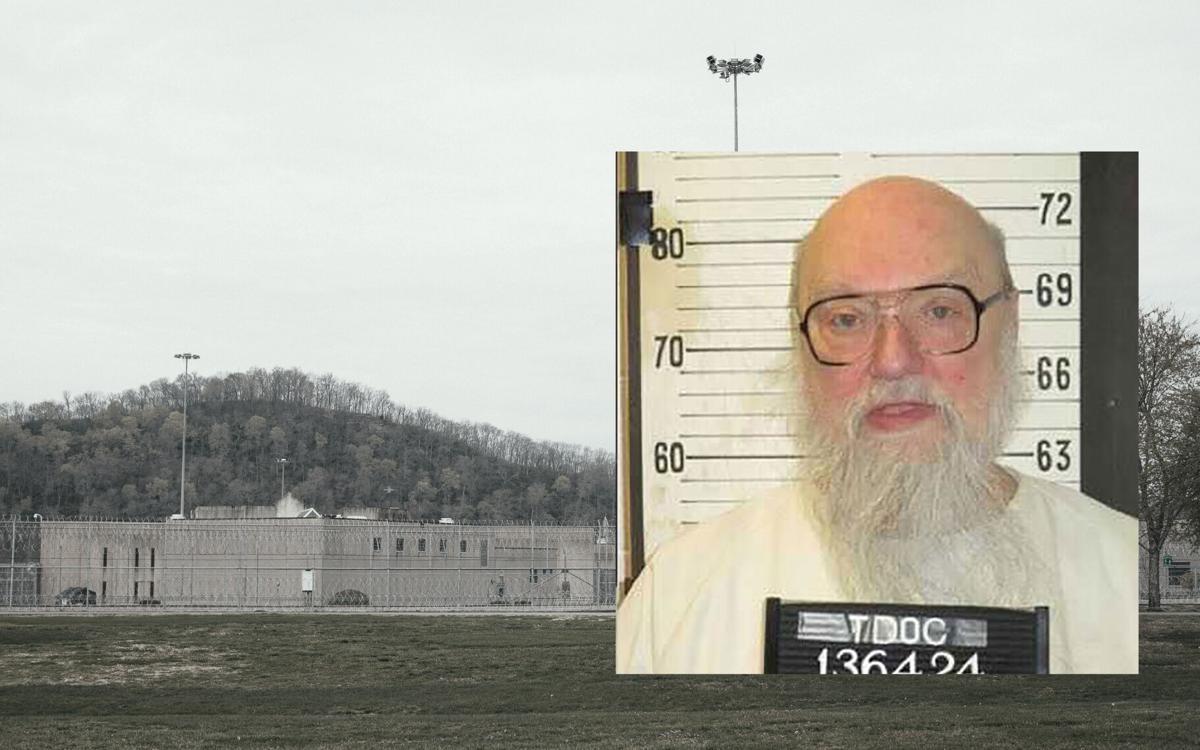
Oscar Franklin Smith was executed by lethal injection on May 22nd, 2025, in Tennessee after nearly 35 years on death row, marking a grim end to one of Nashville’s most brutal murder cases. His final statements challenged the justice system, casting a long shadow over capital punishment debates nationwide.

At 10:47 a.m., the Department of Correction officially declared the 75-year-old inmate dead, concluding decades of legal battles and appeals. Smith’s execution came after numerous delays, including a last-minute reprieve in 2022 related to lethal injection protocol errors.
Smith’s crime dates back to October 1st, 1989, when a terrified 13-year-old boy called 911 from 324 Ludy Street, reporting an attack. The call abruptly ended, and police initially found the scene eerily quiet without visible signs of forced entry.
Following a neighbor’s report the next afternoon, investigators entered the home and discovered horrific evidence of a savage attack. Three bodies were found: Judy Robert Smith and her two sons, Chad and Jason Bernett, all victims of extreme violence.
The scene inside the Woodbine neighborhood house was catastrophic. Blood smeared walls and overturned furniture told of a brutal struggle. Officers found Chad shot multiple times and cruelly stabbed, with defensive wounds signaling his fierce resistance.
Judy Robert Smith lay in the front bedroom, blood spattered nearby, suffering from gunshot wounds and severe stabbing. Her spinal injury from a close-range shot ensured a slow, agonizing death, compounded by defensive wounds similar to her son Chad’s.
Jason Bernett, the youngest, bore no gunshot wounds but endured vicious stabbings and slashes, including fatal wounds to major veins. Though he fought desperately, bleeding out took several minutes, underscoring the prolonged terror inflicted upon the family.
Among the chilling evidence was a blood-covered tool used as a weapon and a bloody palm print missing two fingers. Forensic experts linked this uniquely to Oscar Franklin Smith, whose fingers were missing due to a prior work accident, sealing his fate.
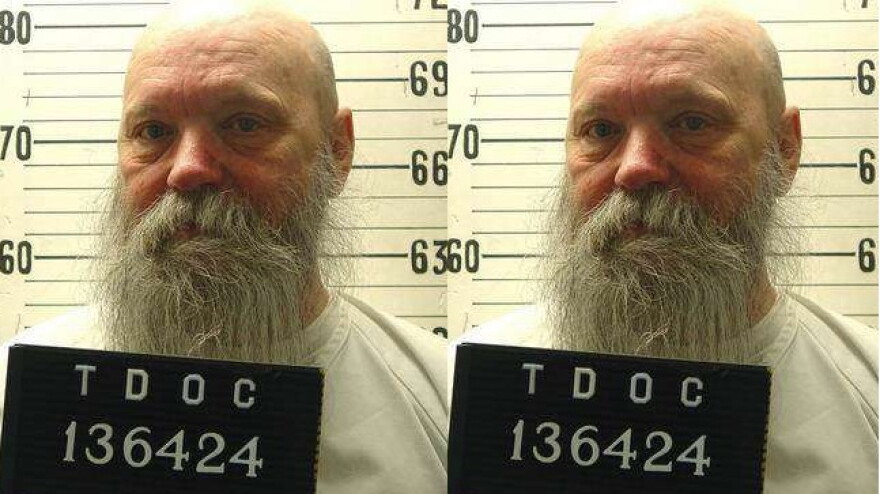
Oscar Franklin Smith, known as Frank, was Judy’s estranged husband and had a troubled background marked by violence and threats. Their deteriorating marriage and custody battles fueled a dark spiral, culminating in the cold-blooded murders that rocked Nashville.
Prior to the killings, Smith’s violent outbursts escalated alarmingly. Witnesses described attacks, including biting young Jason, gun threats, and physical assaults on Judy and her sons. Police had already filed aggravated 𝒶𝓈𝓈𝒶𝓊𝓁𝓉 warrants when the murders occurred.
Smith’s threats extended beyond family members, chilling coworkers who reported his promises to 𝓀𝒾𝓁𝓁 Judy and her sons. Life insurance policies he took out on the victims added another sinister layer, suggesting premeditation and cold calculation in the murders.
At trial, the prosecution focused heavily on the distinctive bloody palm print, a linchpin tying Smith directly to the crime. Despite later expert disputes over the print’s authenticity, the jury delivered a swift guilty verdict for capital murder in July 1990.
Sentenced to death, Smith awaited execution amid ceaseless appeals and legal wrangling. His first execution date in 1990 was stalled by procedural delays, and a gruesome saga of legal battles began that would stretch over three decades.
In 2022, a scheduled execution was abruptly halted when Tennessee’s governor ordered a reprieve due to unsafe lethal injection testing procedures. This statewide pause delayed all executions pending a revised protocol, spotlighting the complexities of capital punishment administration.
The state overhauled its approach, shifting to a single-𝒹𝓇𝓊𝑔 lethal injection method. This reform opened the door for executions to resume, and Smith’s case was reset for May 22nd, 2025, giving rise to renewed debate and public scrutiny around the death penalty’s application.
Smith’s final meal request—hot dogs, tater tots, and apple pie with vanilla ice cream—was delivered the night before, consumed quietly as he prepared to face his fate. Witnesses gathered in tense anticipation as he lay in the execution chamber on the appointed morning.
With two IV lines inserted, the curtain separating witnesses was drawn back at 10:32 a.m. Smith declined to accept guilt, proclaiming, “I didn’t 𝓀𝒾𝓁𝓁 her,” and used his final words to condemn the justice system he believed was “broken” and unjust.
He challenged Tennessee’s governor directly, urging a stop to executions and a reckoning with the systemic flaws leading to alleged wrongful deaths. Smith’s tone grew urgent and defiant, underscoring his belief that many innocent lives hung in the balance.
As the pentobarbitol began its fatal flow, Smith’s voice faded yet persisted until silence fell. His death closed the chapter on one of the nation’s longest death row incarcerations, raising profound questions about justice, punish
ment, and human fallibility.
This execution marks a somber milestone in Tennessee’s use of the death penalty amidst ongoing national debates. Advocacy groups and legal experts alike will scrutinize Smith’s case as emblematic of broader systemic challenges within capital punishment frameworks.
Oscar Franklin Smith’s grisly crimes, turbulent life, and provocative last words ensure his story will resonate far beyond the walls of Riverbend Maximum Security Institution, fueling urgent calls to examine the ethics and efficacy of America’s most irreversible sentence.