The Dark Side of Old Hollywood: The Racism and Power Behind America’s Golden Age
For decades, Old Hollywood sold the world a dream. Glamorous movie premieres, legendary stars, million-dollar studios, and polished smiles created the illusion of an industry built on talent and charm. But behind the bright lights and red carpets was a much darker reality — one shaped by racism, political blacklisting, fear, and powerful figures determined to control who could succeed in America’s entertainment empire.
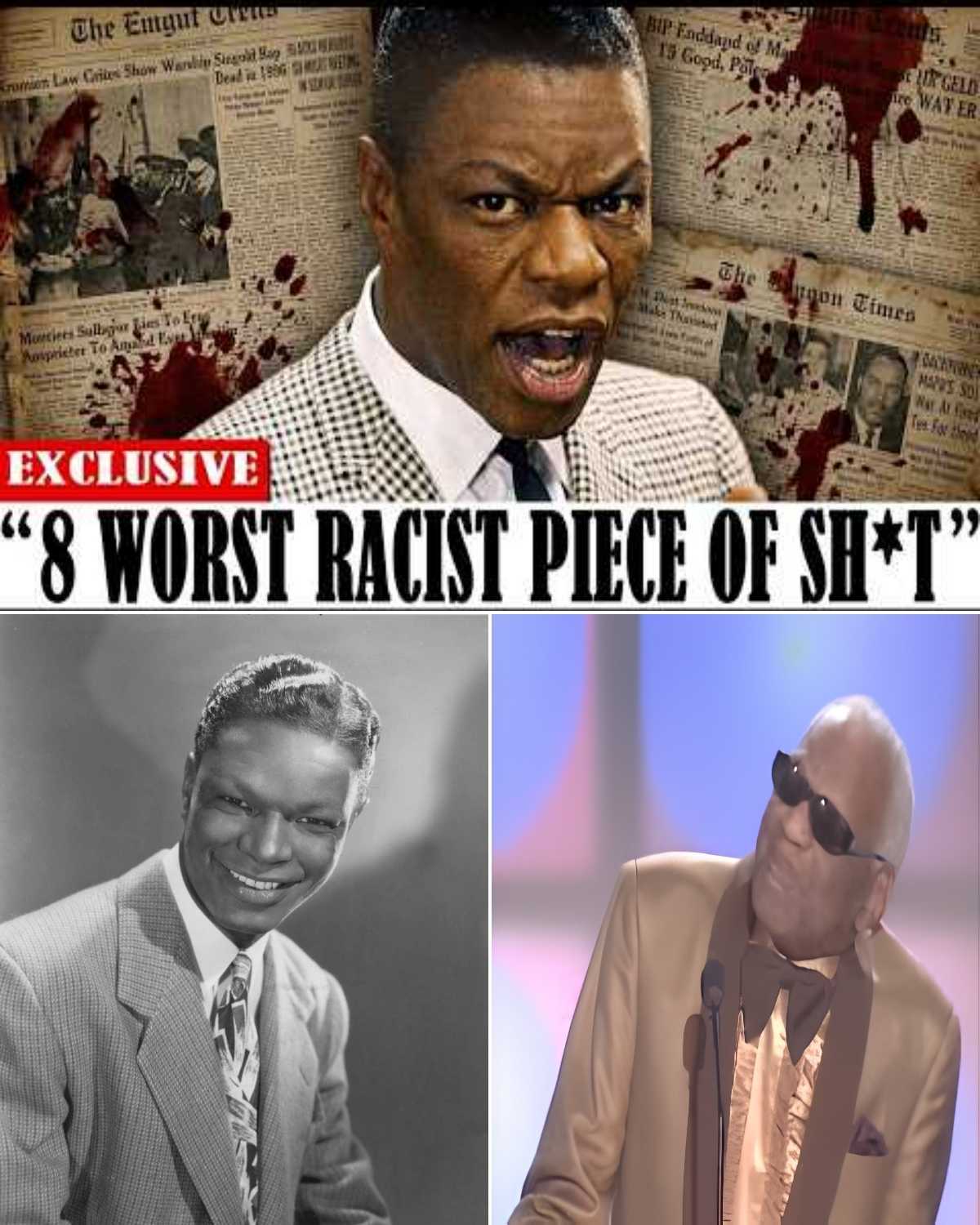
Few people embodied that contradiction more than Nat King Cole.
Cole was one of the most successful entertainers in American history. He recorded over 100 charting singles, became the first Black performer to host a national radio show, and later broke barriers again as the first Black man to host a network television variety show on NBC. His smooth voice and elegant image made him beloved by millions of fans across the country. At one point, the success of his music was so enormous that Capitol Records’ famous Hollywood tower became known as “The House That Nat Built.”
Yet even at the height of his fame, Cole was constantly reminded that many people in America — including some of the most powerful names in Hollywood — still viewed him as inferior because of the color of his skin.
When Cole moved his family into the wealthy Hancock Park neighborhood of Los Angeles in 1948, racist intimidation followed almost immediately. A burning cross was reportedly placed on his lawn, and his family faced open hostility from neighbors who did not want a successful Black family living nearby. Years later, during a concert in Birmingham, Alabama, segregationists stormed the stage and physically attacked him in front of thousands of people while he was performing.
The racism extended far beyond angry crowds. It was deeply embedded inside the entertainment industry itself.
When NBC launched The Nat King Cole Show in 1956, the network struggled to find national advertisers willing to sponsor a Black host. Despite Cole’s popularity and talent, major companies refused to attach their brands to the program. After just over a year, the groundbreaking show was canceled. Cole later famously said, “Madison Avenue is afraid of the dark,” a painful acknowledgment that corporate America was unwilling to fully support Black success on television.
Cole rarely named names publicly. He maintained a calm, diplomatic image throughout his career. But many historians and biographers have since pointed to several powerful Hollywood figures whose beliefs, actions, or political influence reflected the racial prejudice of the era.
Among the most controversial was John Wayne, one of Hollywood’s biggest stars. Though celebrated as an American icon, Wayne later faced intense criticism for openly defending white supremacy and dismissing historical injustices against both Black Americans and Native Americans in a widely discussed interview. For many critics, Wayne represented the contradiction at the center of Old Hollywood: a man praised as a hero on screen while holding views that deeply divided audiences off screen.
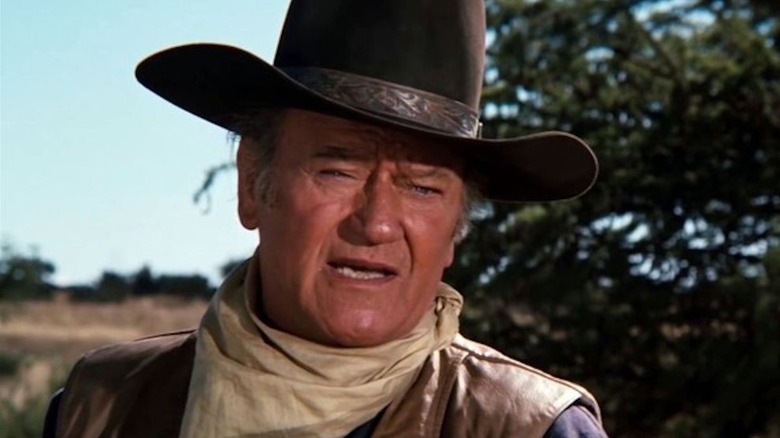
Walter Brennan, another legendary actor and multiple Oscar winner, was also associated with hard-right political views and hostility toward the civil rights movement. Accounts from colleagues and biographers described behavior and comments that shocked even people inside the industry at the time.
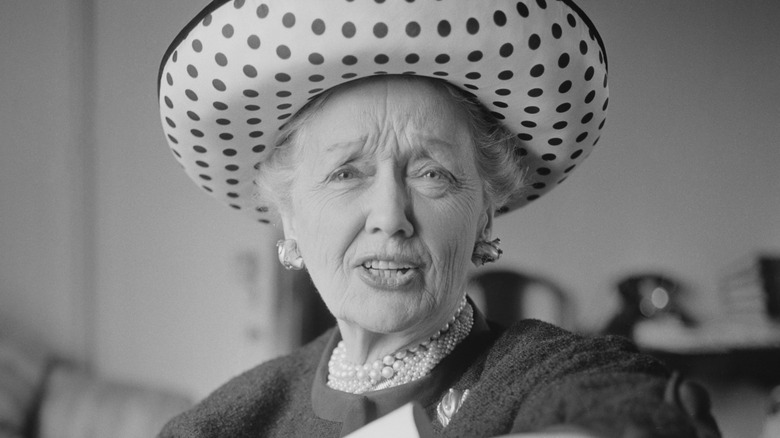
Powerful gossip columnist Hedda Hopper played a different role. With millions of readers across America, Hopper had enormous influence over Hollywood careers. Her columns helped shape public opinion, reward loyalty, and punish anyone seen as politically dangerous or socially controversial. Historians have argued that voices like Hopper’s reinforced racial stereotypes and helped maintain the industry’s conservative power structure during the height of segregation-era America.
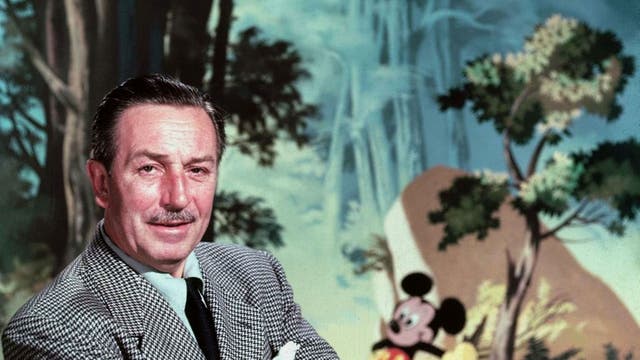
Even Walt Disney, whose company became synonymous with family entertainment, has faced decades of debate surrounding allegations of prejudice and political alliances during the mid-20th century. Critics have long pointed to films like Song of the South and to documented controversies surrounding Disney’s associations and internal studio culture during that era.
Behind studio walls, power often operated through fear. Columbia Pictures boss Harry Cohn developed a reputation as one of the most feared executives in Hollywood history. Stories involving his reaction to interracial relationships inside the industry became part of Hollywood legend, highlighting how aggressively racial boundaries were enforced during that period.

The deeper truth is that racism in Old Hollywood was not limited to a few individuals. It was part of a larger system. Black entertainers could become famous, sell records, and make studios millions of dollars — but they were still denied equal treatment, equal opportunities, and equal protection behind the scenes.
Nat King Cole understood that reality better than most.
He became a symbol of dignity in an industry that often refused to treat him with dignity in return. While many around him used power to divide people, Cole continued to perform with grace, elegance, and professionalism. He chose not to publicly wage war against the industry that mistreated him, but the silence itself spoke volumes.
When Nat King Cole died of lung cancer in 1965 at just 45 years old, America lost one of its greatest voices. But his story remains bigger than music. It is also the story of a man who broke barriers inside an entertainment machine that was never fully ready to accept him.
Old Hollywood is often remembered as America’s golden age of cinema. But beneath the glamour was a system filled with prejudice, political intimidation, and quiet cruelty — a hidden history that many stars of that era spent decades trying to ignore.
And even today, the legacy of that system continues to raise uncomfortable questions about power, race, and who truly controlled the dream factory known as Hollywood.