In a stunning revelation, Mel Brooks recently shared the untold story behind his iconic film “Spaceballs,” a beloved sci-fi parody that has entertained audiences for decades. Fans might be shocked to learn that the film’s genesis was rooted not in Hollywood’s boardrooms but in a heartfelt moment at his son Max’s birthday party.

Brooks recounted how a simple Star Wars-themed celebration sparked the idea for “Spaceballs.” Watching children revel in the magic of the galaxy far, far away, he realized that science fiction was the one genre he hadn’t yet parodied. This epiphany led him to create a loving satire of the genre, filled with clever jokes and absurdity.
What many viewers don’t know is that Brooks needed George Lucas’s blessing to proceed with the film, which came with a surprising caveat: no merchandise could be produced. This unusual restriction, however, became a comedic goldmine for Brooks, who turned it into a running joke throughout the film.
In a twist that would surprise even the most ardent fans, Brooks revealed that the narrative backbone of “Spaceballs” was inspired by the classic 1934 romantic comedy “It Happened One Night.” He cleverly adapted the story of a runaway heiress into a sci-fi context, blending humor with a familiar structure that allowed for endless layers of jokes.

Casting choices also played a crucial role in the film’s success. Initially, Hollywood heavyweights like Tom Cruise and Tom Hanks were approached for the lead role of Lone Starr but declined. This opened the door for Bill Pullman, whose charm and sincerity ultimately made him the perfect fit.
Brooks’s improvisational approach on set allowed for spontaneous moments that became some of the film’s most memorable quotes. For instance, Rick Moranis’s now-iconic scene with action figures was born from a spur-of-the-moment idea that turned into comedic brilliance.
Adding another layer of intrigue, Lucas’s involvement extended beyond mere approval. His special effects company, Industrial Light & Magic, provided technical support, ensuring that “Spaceballs” looked polished despite its parody status. The collaboration not only elevated the film’s visual quality but also highlighted the irony of the creator of “Star Wars” helping to shape its spoof.
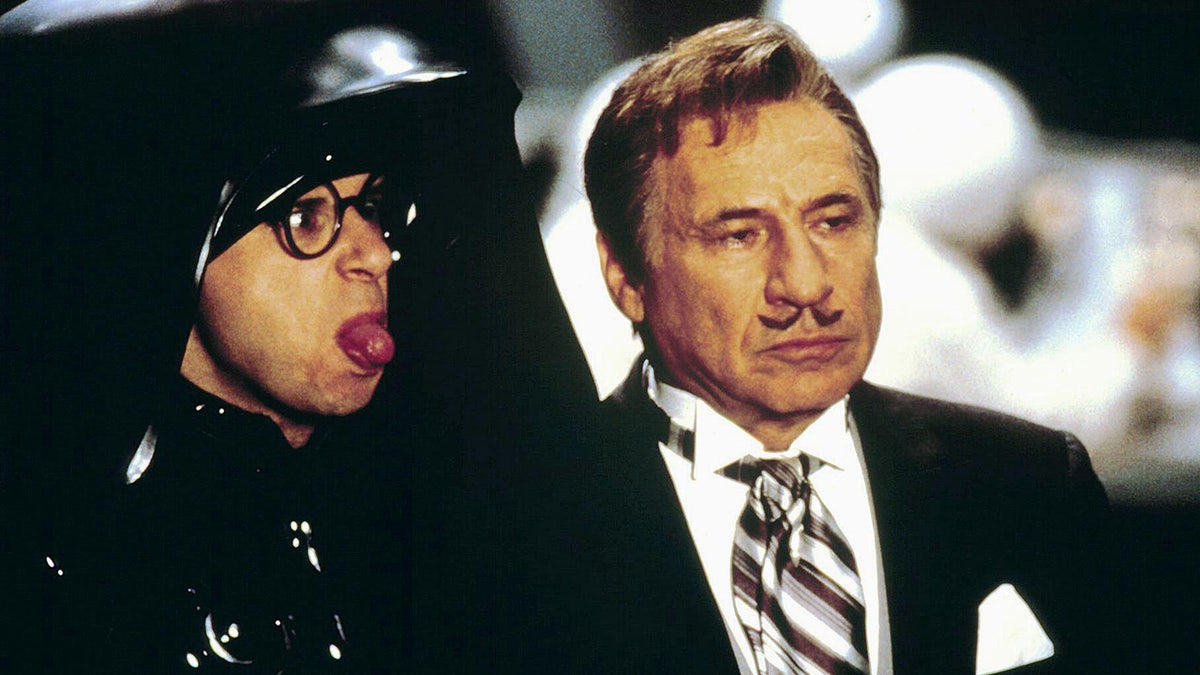
As fans celebrate the enduring legacy of “Spaceballs,” Brooks’s revelations remind us that the film is more than just a parody; it’s a heartfelt tribute to the joy of storytelling and the magic of cinema. With its blend of humor, nostalgia, and unexpected origins, “Spaceballs” continues to resonate, proving that sometimes the best comedies come from the most personal inspirations.