If you thought rivers were merely channels of water, think again. A captivating new exploration reveals a world of rivers so strange, they seem to defy the laws of nature. From boiling torrents to vibrant liquid rainbows, the latest video from Astrum Earth takes viewers on an exhilarating journey through the globe’s weirdest waterways.
First up is the iconic “Meeting of the Waters” in Manaus, Brazil, where the Rio Negro and Amazon River collide without mixing. This stunning spectacle showcases two rivers, one dark as night and the other a light brown, flowing side by side for nearly six kilometers. The contrast is so striking, it can be seen from space—a true testament to nature’s artistry.
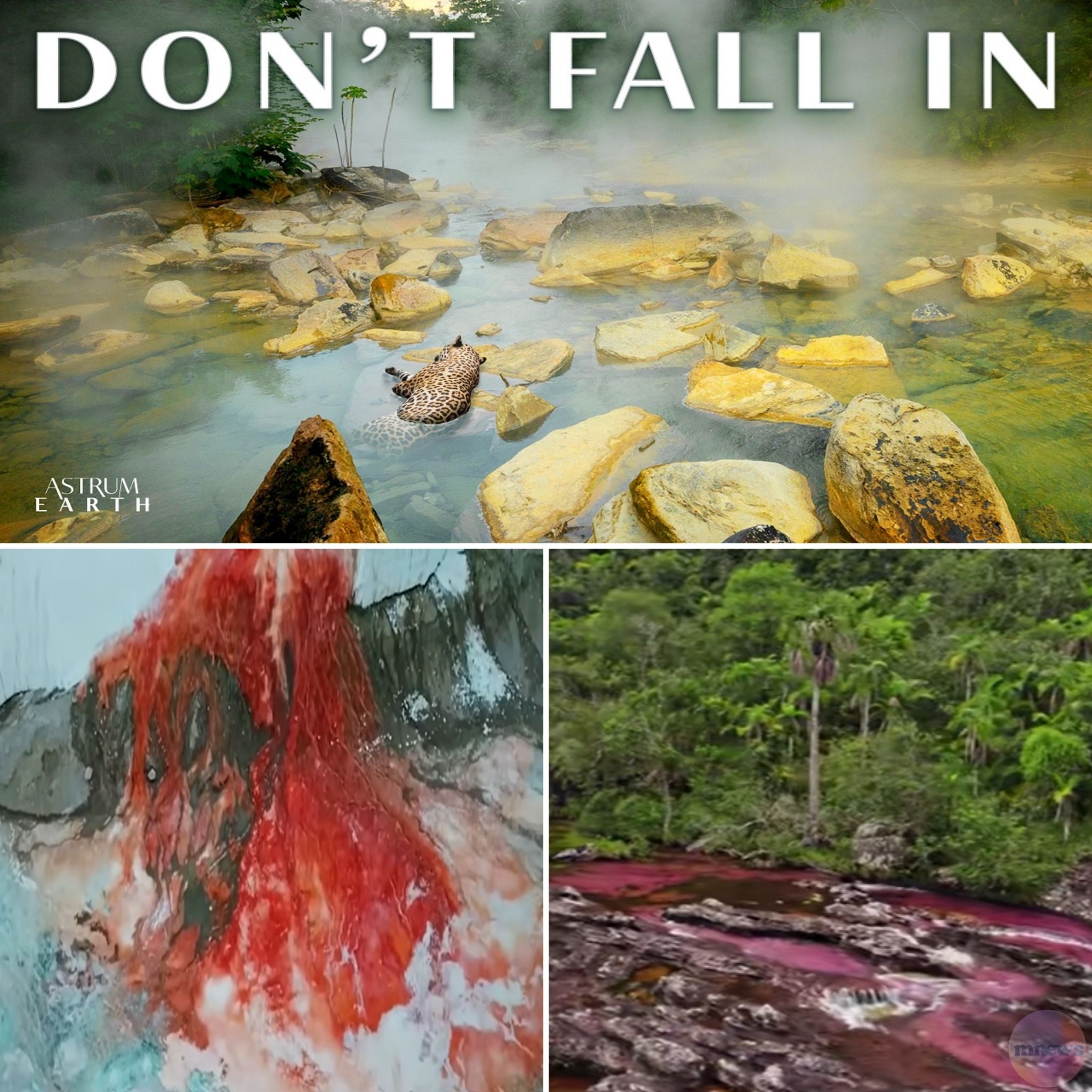
Next, we venture to Colombia’s Caño Cristales, dubbed the “River of Five Colors.” This extraordinary river transforms into a kaleidoscope of hues from June to November, thanks to a rare plant that blooms during the rainy season. The vibrant display captivates visitors, making it a must-see for nature lovers.

In stark contrast, the Rio Tinto in Spain flows with a rusty red hue, resembling a scene from a sci-fi film. Its acidic waters, rich in iron and sulfide, harbor unique extremophiles, making it a point of interest for astrobiologists searching for life on Mars. This river’s otherworldly appearance is a reminder of the mysteries our planet holds.
Then there’s Antarctica’s Blood Falls, where iron-rich brine seeps from the Taylor Glacier, staining the ice a deep crimson. This natural phenomenon showcases the intricate interplay of geology and chemistry, revealing a hidden world beneath the ice that defies expectations.
And don’t forget the Boiling River in Peru, where waters reach scalding temperatures of 85°C. This geothermal marvel, part of a tributary to the Amazon, has captivated scientists and locals alike, who have long shared tales of its legendary heat.

The journey continues with the Tonlé Sap River in Cambodia, the only river in the world that flows both ways, reversing direction every six months due to seasonal monsoons. This remarkable phenomenon showcases the dynamic nature of our planet’s waterways.
Finally, we arrive at New Zealand’s Whanganui River, which has been granted legal personhood, recognizing its rights as a living entity. This groundbreaking legislation highlights the deep connection between indigenous cultures and their natural surroundings, paving the way for similar movements worldwide.
As we explore these extraordinary rivers, it’s clear that they are more than just watercourses; they are living entities that challenge our understanding of nature. Each river tells a story, revealing the enchanting and often bizarre capabilities of our planet. Next time you see a river, ask not just where it flows, but what secrets it may hold.