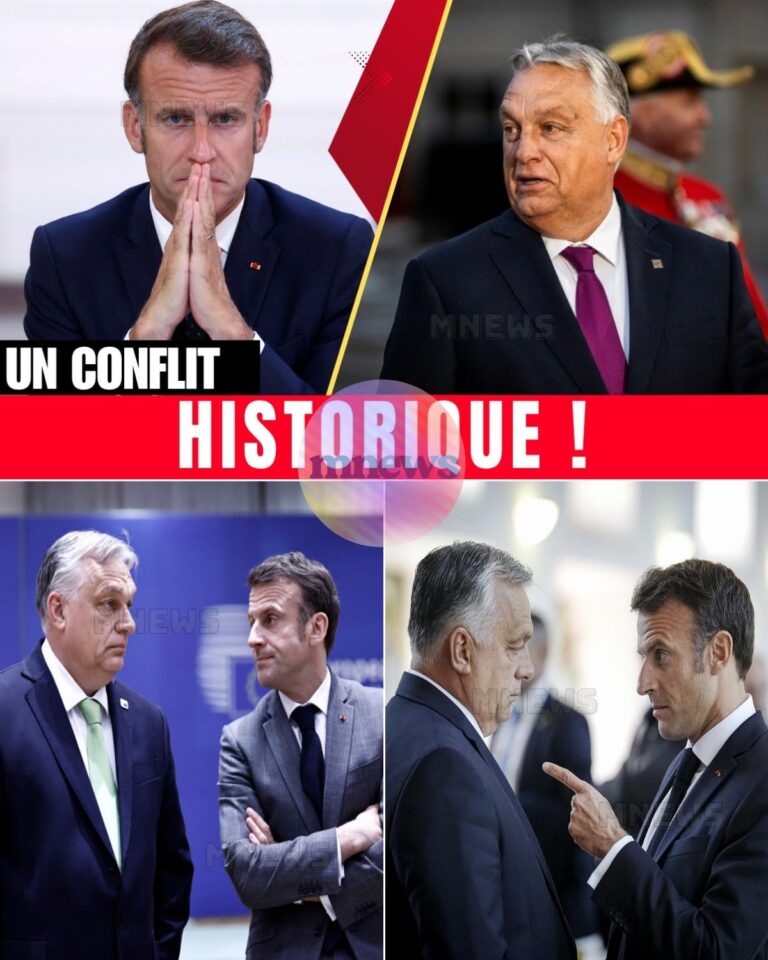
In a fiery speech on the Senate floor, Senator Tim Kaine delivered a scathing critique of the Trump administration’s military actions and controversial decisions, particularly targeting Secretary of Defense Pete Hegseth. Kaine’s remarks centered on illegal military strikes and the shocking pardon of a convicted drug trafficker, raising alarms about the current state of U.S. military engagement.
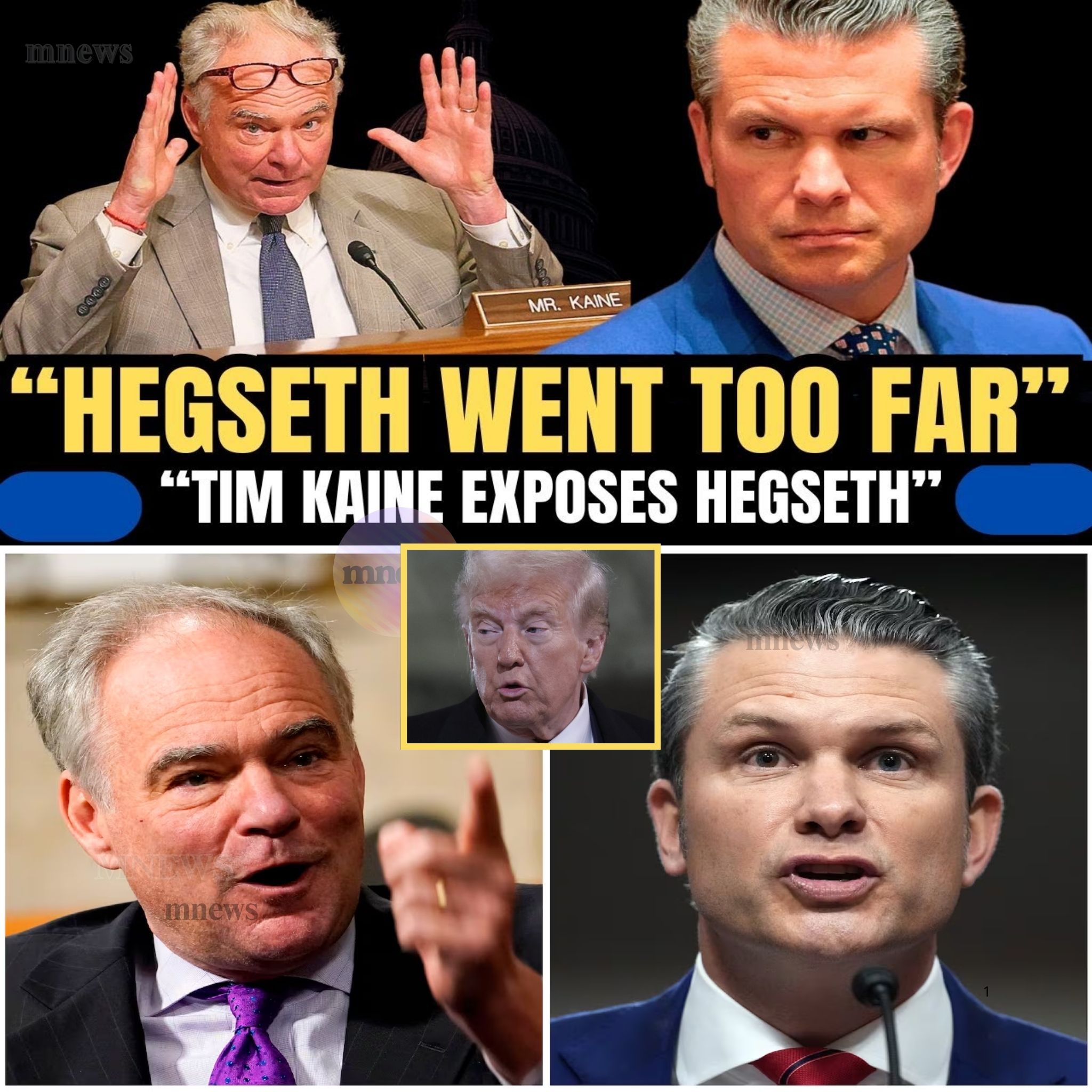
Kaine condemned the administration’s reckless behavior, highlighting Hegseth’s social media antics, where he shared a cartoon depicting a turtle launching missiles at drug traffickers. This trivialization of warfare, according to Kaine, reflects a dangerous detachment from the human consequences of military actions. He expressed grave concern over the implications of such actions for the safety of American citizens and the integrity of military operations.
The senator invoked historical context, referencing Abraham Lincoln’s warnings about the dangers of unilateral war-making powers. He emphasized that the framers of the Constitution intentionally placed the war-making authority in the hands of Congress to prevent the kind of executive overreach that is becoming increasingly common today. Kaine’s call for Congress to reclaim its constitutional role in military decisions is a stark reminder of the checks and balances that are at risk.
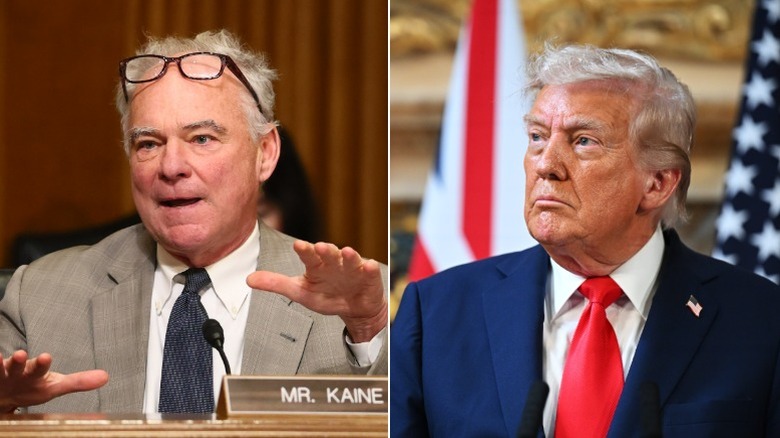
Kaine’s criticism did not stop at military operations; he pointed to the hypocrisy of the administration, which escalates military force to combat drug trafficking while simultaneously pardoning a trafficker who boasted about his crimes. This contradiction underscores a troubling narrative of loyalty politics overshadowing coherent policy.
The senator warned of the moral and ethical dilemmas faced by military personnel who are caught between obeying the law and following orders from the president. This scenario creates a civil-military crisis that can erode trust in institutions and jeopardize national security.
Kaine’s speech is a clarion call for accountability and a reminder that war is not a spectacle. He asserts that the treatment of military actions as entertainment diminishes the gravity of their consequences. In an era where decisions about life and death are made without proper oversight, the stakes could not be higher.
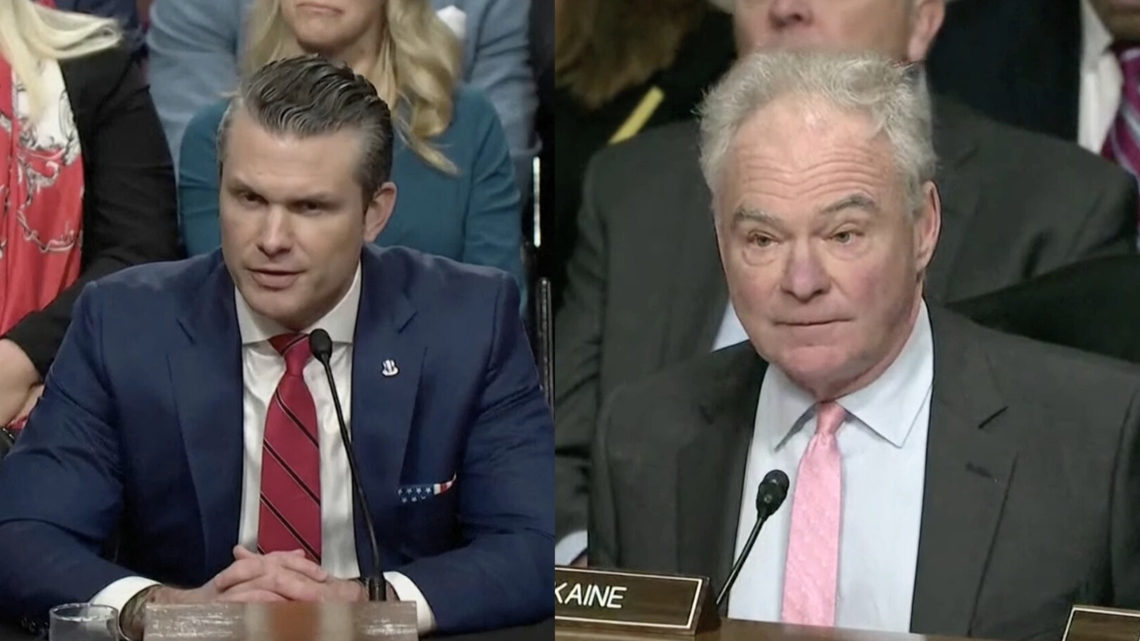
As the nation grapples with these pressing issues, Kaine’s urgent demand for Congress to reassert its authority resonates deeply. The implications of unchecked military power extend beyond politics; they threaten the very fabric of democracy and the safety of civilians both at home and abroad. The time for action is now.