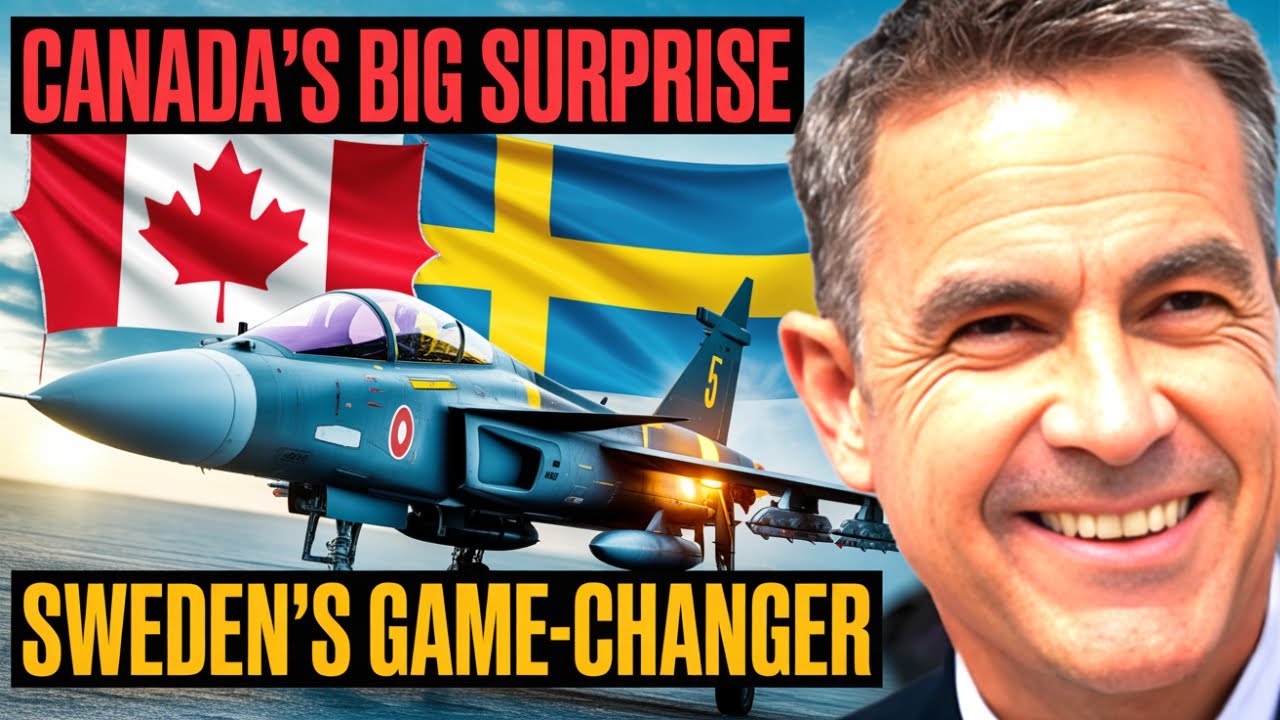
In a startling revelation, a newly released U.S. National Security Strategy document has categorized Canada within a global threat narrative, signaling a significant shift in the nature of U.S.-Canada relations. This document, typically a routine update, has taken on a more aggressive tone, framing Canada not as an ally but as a subordinate expected to align with U.S. economic interests, particularly in relation to China.

The language used in the document is stark and uncompromising. The U.S. is now openly encouraging Canada and other nations to adopt trade policies that serve American interests. This terminology—”encourage”—is a euphemism for coercion, indicating a shift from collaboration to a hierarchical relationship. The expectation is clear: Canada must comply without negotiation.
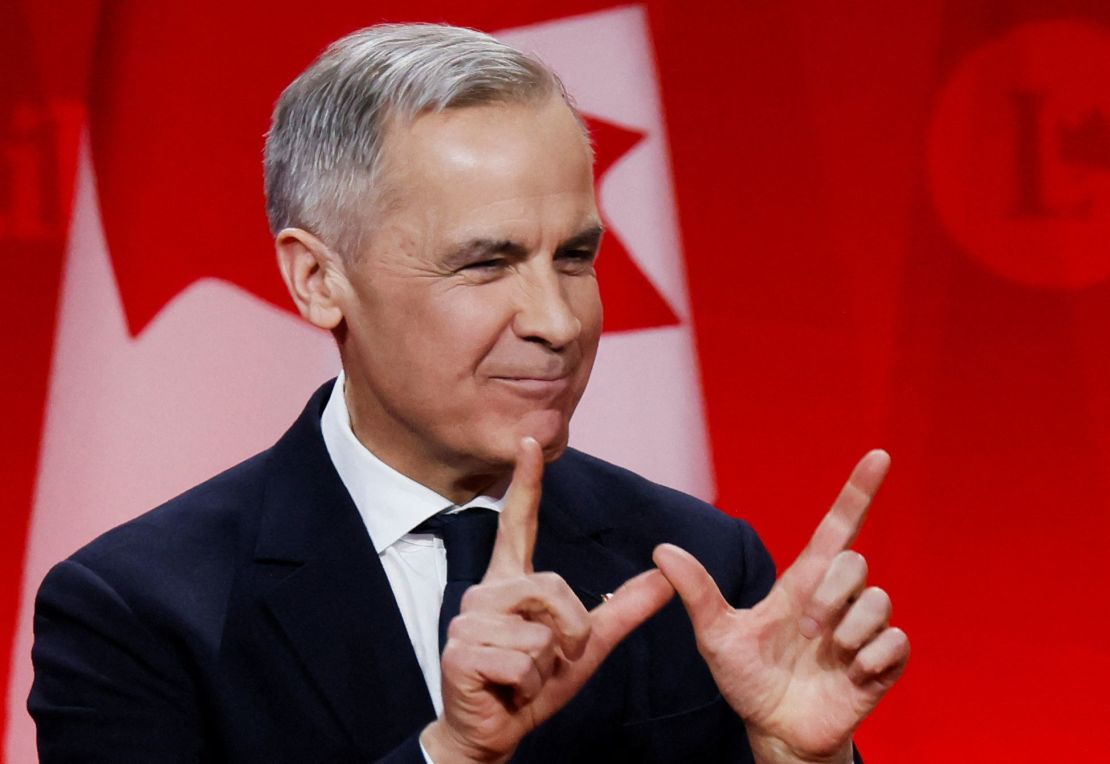
Prime Minister Mark Carney anticipated this shift long before the document’s release. Since taking office, he has been vocal about the end of an era defined by open global trade dominated by the U.S. His administration has proactively diversified Canada’s economic partnerships, focusing on Asia rather than solely on the U.S. market. This strategic foresight is now proving prescient as Canada faces unprecedented pressure to conform to U.S. demands.

Embedded within the strategy is a directive that Canada must support U.S. efforts to counterbalance China’s economic rise. This directive is not merely a suggestion; it is a demand for compliance that prioritizes U.S. strategic interests over Canadian sovereignty. The implication is that if Canada does not align its trade policies with U.S. objectives, it risks being labeled a national security threat. The document also raises alarms regarding Canada’s critical mineral resources, which are vital to U.S. supply chains. The U.S. now views Canadian mineral exports to Asia as a potential threat, further complicating Canada’s economic landscape. This shift in perception could justify punitive measures against Canada should it choose to pursue independent trade agreements outside U.S. influence.
Moreover, the aggressive tone of the document extends beyond economic matters. It underscores a broader concern regarding cultural and political alignment, suggesting that certain nations may not be “worthy” of U.S. alliance. This framing transforms the concept of partnership into a loyalty test, where compliance with U.S. directives becomes a prerequisite for maintaining favorable relations.
As Canada navigates this new reality, it faces a critical choice: to continue down the path of subordination, adhering to U.S. demands, or to assert its sovereignty by pursuing an independent economic strategy. Carney’s vision for Canada emphasizes the importance of diversifying trade and building resilience independent of U.S. influence.

The stakes are high. Canada must decide whether to accept a future defined by American permission or to forge its own path shaped by Canadian decisions. The world is watching closely as Canada stands at this crossroads, poised to redefine its role on the global stage. The choice is clear: sovereignty or subordination. The implications of this decision will resonate for generations.