A seismic shift in Canadian national security policy is unfolding with unprecedented speed and scale, propelled by a convergence of global threats and decades of domestic neglect. The federal government has committed an additional $8.7 billion in defense spending with immediate effect, a staggering financial injection aimed at modernizing a military described by experts as crumbling. This move, coupled with a pledge to meet NATO’s 2% of GDP spending target years ahead of schedule, marks a dramatic departure from Canada’s traditionally cautious and deferred approach to defense.

The announcement, delivered with calm urgency, sent a shockwave through a domestic defense industry long accustomed to empty promises and procurement purgatory. For executives who tracked a single bid for 17 years, the pledge of real money and a “made-in-Canada” manufacturing revival represents a lifeline. Companies are now scrambling to restart assembly lines for armored vehicles, expand satellite factories, and meet surging demand for advanced training systems, gambling that this political promise will translate into lasting stability.

Behind the polished fiscal announcements lies a brutal reality: Canada’s military infrastructure is at a breaking point. Analysts describe a force suffering from systemic decay, requiring new warships, submarines, fighter jets, and surveillance aircraft simultaneously. A personnel crisis has left approximately 14,000 positions vacant, crippling operations and morale with endless training delays. This monumental rebuild is not merely an upgrade but a near-total reconstruction of a military ecosystem ignored for nearly 30 years while allies modernized.
This urgent pivot is driven by clear and present dangers, most acutely in the Arctic. Northern communities, long familiar with southern political neglect, now witness the tangible return of great power competition to their doorstep. Russia has aggressively reopened dozens of Soviet-era bases, modernized airfields, and positioned advanced systems within range of North America. China, though not an Arctic state, is quietly seeking influence and has been implicated in underwater surveillance activity in northern waters. Yet Canada’s surveillance and presence in the region remain perilously thin.

Compounding the external threat is unprecedented pressure from its closest ally. The United States, under a potential second Trump administration, has made clear that NATO allies failing to meet commitments will face consequences. Canada’s historical reliance on American continental defense is no longer a guaranteed luxury. Simultaneously, a strategic vulnerability has been exposed: approximately 75% of Canada’s defense capital spending flows directly to U.S. firms, a dependency the government now vows to reverse by building sovereign industrial capacity.
However, a formidable obstacle threatens to paralyze this historic spending spree: Canada’s own bureaucratic procurement system. Described as a swamp of approvals and audits, the process has historically stretched simple purchases over years. A newly launched Defense Procurement Agency faces the paradoxical task of hiring people to hire more people, all while attempting to collapse decade-long timelines into months. Critics warn that without drastic procedural overhaul, Canada risks spending billions on outdated technology at premium prices as the global arms market grows fiercely competitive. The global context offers no reprieve. Nations worldwide are ramping up defense budgets simultaneously, creating shortages, driving up costs, and fostering a predatory market where foreign governments actively court Canadian firms to relocate. The window for action is closing rapidly. This perfect storm of external pressure and internal decay has forced a stark realization: Canada is not modernizing by choice, but because the world has left it no alternative.
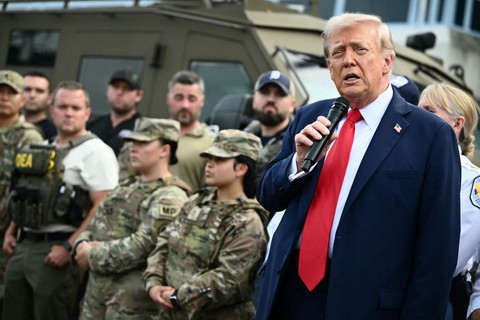
Yet, a profound strategic ambiguity clouds this transformation. What exactly is Canada building? The military’s identity has been pulled between peacekeeping, combat missions in Afghanistan, and domestic disaster response. Now, it must also become a credible Arctic defender. No clear vision has been articulated for a force expected to be a hybrid capable of all these roles, raising questions about training, equipment, and fundamental purpose.
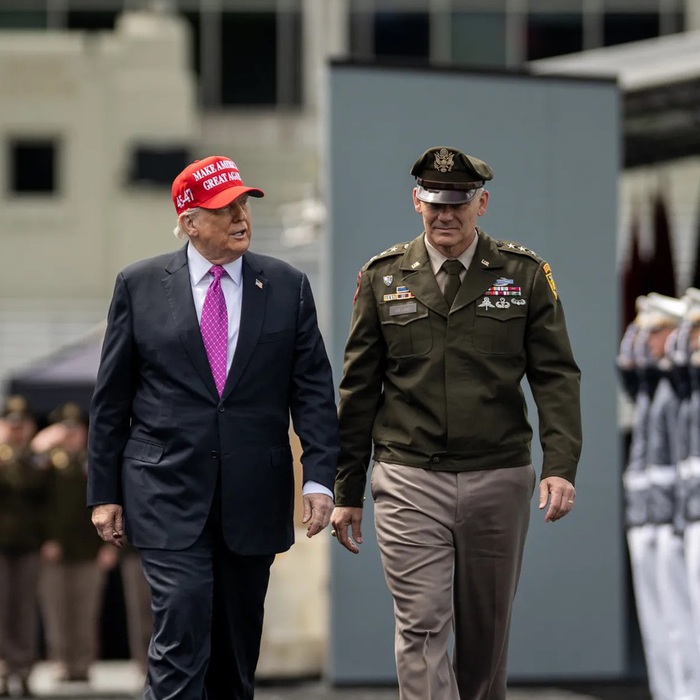
Furthermore, the financial commitment, while historic, faces immediate constraints. A significant portion of the new funding is already allocated to salaries, basic operations, and international obligations, shrinking the pool for the high-cost platforms and systems most desperately needed. The ambitious plan to create a sovereign defense industry requires a skilled workforce, stable long-term contracts, and political consistency—a commodity the sector has not known for a generation.

The nation now stands at a precipice. The decades-long comfort zone, built on geography and alliance diplomacy, has shattered. The sudden awakening and the flow of capital represent a critical first step, but money and urgency alone cannot remedy 30 years of stagnation. The true test is whether Canada can sustain the political will, bureaucratic reform, and strategic focus required to translate this moment of crisis into lasting capability. The world is moving at a pace that tolerates no more delay. Canada has chosen to act; the coming months will reveal if it can follow through before the opportunity vanishes.