A coordinated online smear campaign, allegedly orchestrated by a prominent YouTuber, is at the center of the firestorm accusing rapper Young Thug of cooperating with law enforcement, according to a new investigative report. The allegations, which have dominated hip-hop discourse for weeks, stem from a two-year-old police interrogation that recently resurfaced with a damning new narrative.
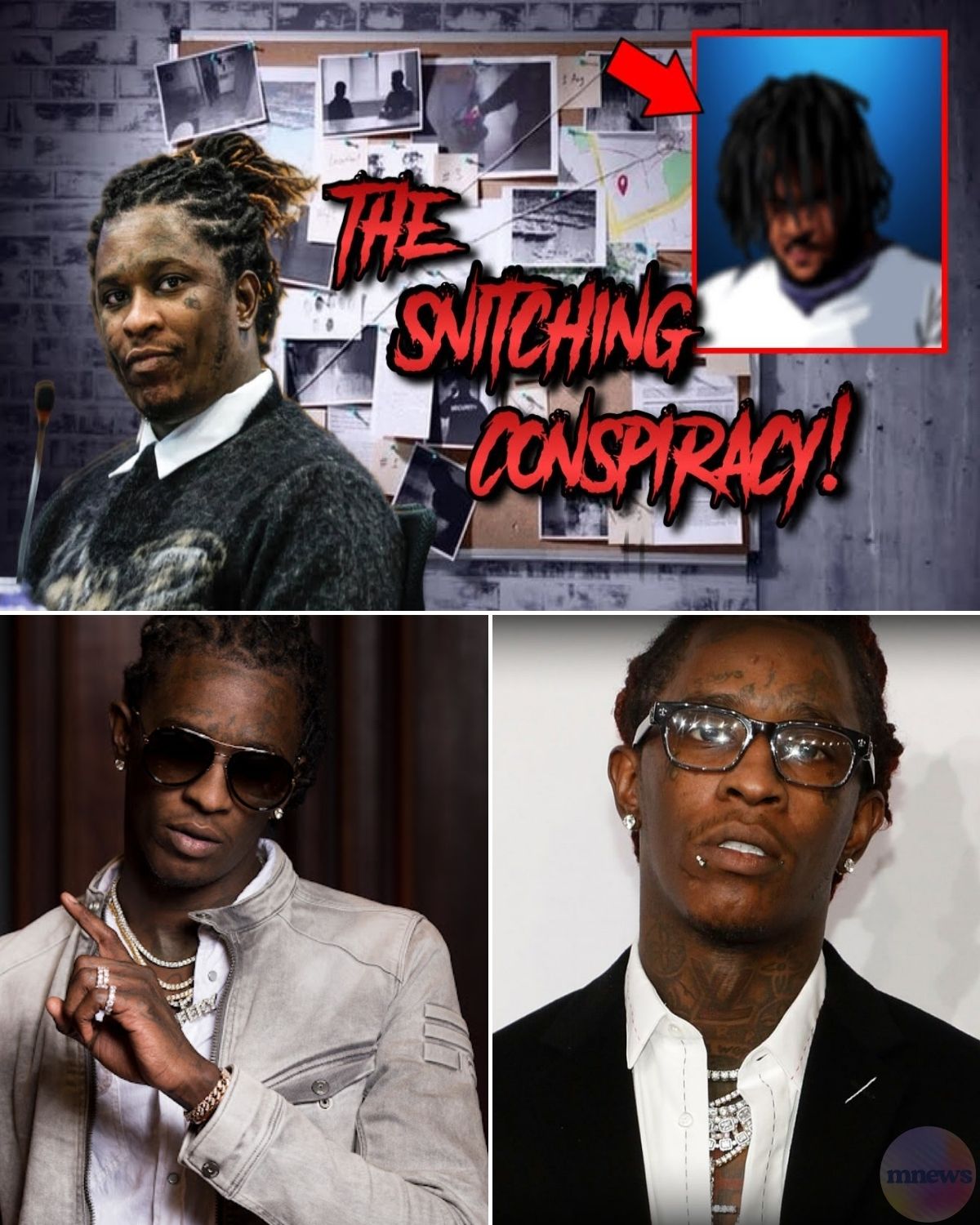
The controversy ignited in late August when clips from a 2022 interrogation of Young Thug, born Jeffery Williams, flooded social media and blogs. The segments focused on his comments regarding Peewee Rosco, the man accused of shooting Lil Wayne’s tour bus in 2015. In the audio, Thug can be heard telling investigators, “They said Rosco,” while discussing the incident.
This selective presentation sparked immediate accusations that the YSL founder had become an informant. The “snitch” label spread rapidly, fueled by reactions from prominent commentators and even fellow artists like 6ix9ine, who publicly mocked Thug’s street credibility. The rapper’s frantic social media responses only added fuel to the viral inferno.
However, an investigation by YouTuber 1090 Jake reveals a calculated effort to manipulate public perception. The full interrogation audio was originally leaked over a year ago to minimal fanfare. At that time, analysts like DJ Akademiks and Wack 100 reviewed the footage and concluded Thug was merely talking too much, not providing substantive information.
The critical shift, the report alleges, was engineered by YouTuber Seti Nash. According to the original blogger who posted the 2022 interrogation, Nash paid him $500 to remove the video with the stated intent of re-releasing it on his own channel. The footage subsequently reappeared across multiple platforms simultaneously, framed with the “snitching” narrative.

The investigation suggests Nash is connected to a network of figures with alleged grievances against Young Thug. This network reportedly includes publicist Angel, who manages personalities like Wooski and Charleston White—both vocal critics of Thug. This points to a coordinated campaign rather than an organic rediscovery of the evidence.
Further scrutiny of the interrogation context challenges the “snitch” claim. When Thug mentioned Rosco’s name, the arrest had already been widely publicized by TMZ and other outlets months prior. Thug’s subsequent statements attempted to downplay Rosco’s culpability, calling him a “scrub” and highlighting his prior friendly relationship with Lil Wayne.
Industry figures initially defended this interpretation. In 2023, Wack 100 stated Thug “never gave them any information” and was “curving” the detectives. Akademiks similarly concluded after a lengthy live reaction that there was “no snitching,” just an artist talking excessively while trying to appear uninvolved.
The campaign’s success is evident in the changed stances. Wack 100 has since reversed his position, now labeling Thug “a rat,” a shift he attributes to Thug’s team attacking Quality Control CEO Pierre “P” Thomas. This highlights how the manufactured controversy has real-world repercussions on alliances and reputations within the industry.
The fallout has been severe for Young Thug. A cascade of leaked jail calls showed him disparaging numerous industry peers, from Lil Baby to Future. While characterized by supporters as idle jailhouse gossip, the calls were weaponized to paint a picture of a man unraveling and turning on associates.
Thug’s attempted clarifications in interviews have been largely mocked and memed, leading to a perceived public defeat. The artist posted an apology and stated he was “moving on,” seemingly accepting that the narrative had irreversibly solidified in the court of public opinion.

This incident underscores the potent danger of digital manipulation. By strategically re-releasing old content with edited context and amplifying it through a networked echo chamber, a single actor can allegedly trigger a cultural firestorm. The power to shape perception, especially with legally nuanced material, has profound consequences.
The core question remains whether Young Thug violated street codes or merely fell victim to a sophisticated character assassination. The evidence suggests a complex truth: he engaged in a lengthy, ill-advised conversation with police but provided no new, incriminating information. The real story may be how easily that distinction was erased online.
As the hip-hop community grapples with these allegations, the case sets a concerning precedent for how reputations can be dismantled in the digital age. It reveals a new frontier where media manipulation and personal vendettas can converge with devastating effect, all while the subject remains incarcerated and unable to mount a full defense.