The U.S.-Canada softwood lumber trade dispute has escalated dramatically, with the U.S. Commerce Department imposing a staggering 25% tariff on Canadian imports. This sudden move, framed as a protective measure for American timber producers, has sent shockwaves through the housing market, construction costs, and broader economic relations between the two nations.

The tariff, effective immediately, comes on top of existing duties, pushing the total burden on Canadian lumber to nearly 40%. The repercussions have been swift and severe, with American timber giant Via Huer reporting a nearly 50% plunge in second-quarter profits compared to the previous year. This stark decline underscores the vulnerability of the industry, as rising costs and falling demand threaten to upend the housing market.

In Canada, officials are showing signs of frustration but also hinting at potential leverage. The Canadian government is considering options such as export quotas, a move that could reshape the dynamics of the trade conflict. This is a significant shift, as Canada has historically resisted such measures, valuing free trade principles. The urgency of the situation has prompted a delegation of U.S. senators to travel to Ottawa for urgent talks. The looming August 1 deadline set by Washington adds pressure for a resolution, but both countries appear entrenched in their positions. The history of the softwood lumber dispute stretches back decades, with previous agreements failing to provide lasting solutions.
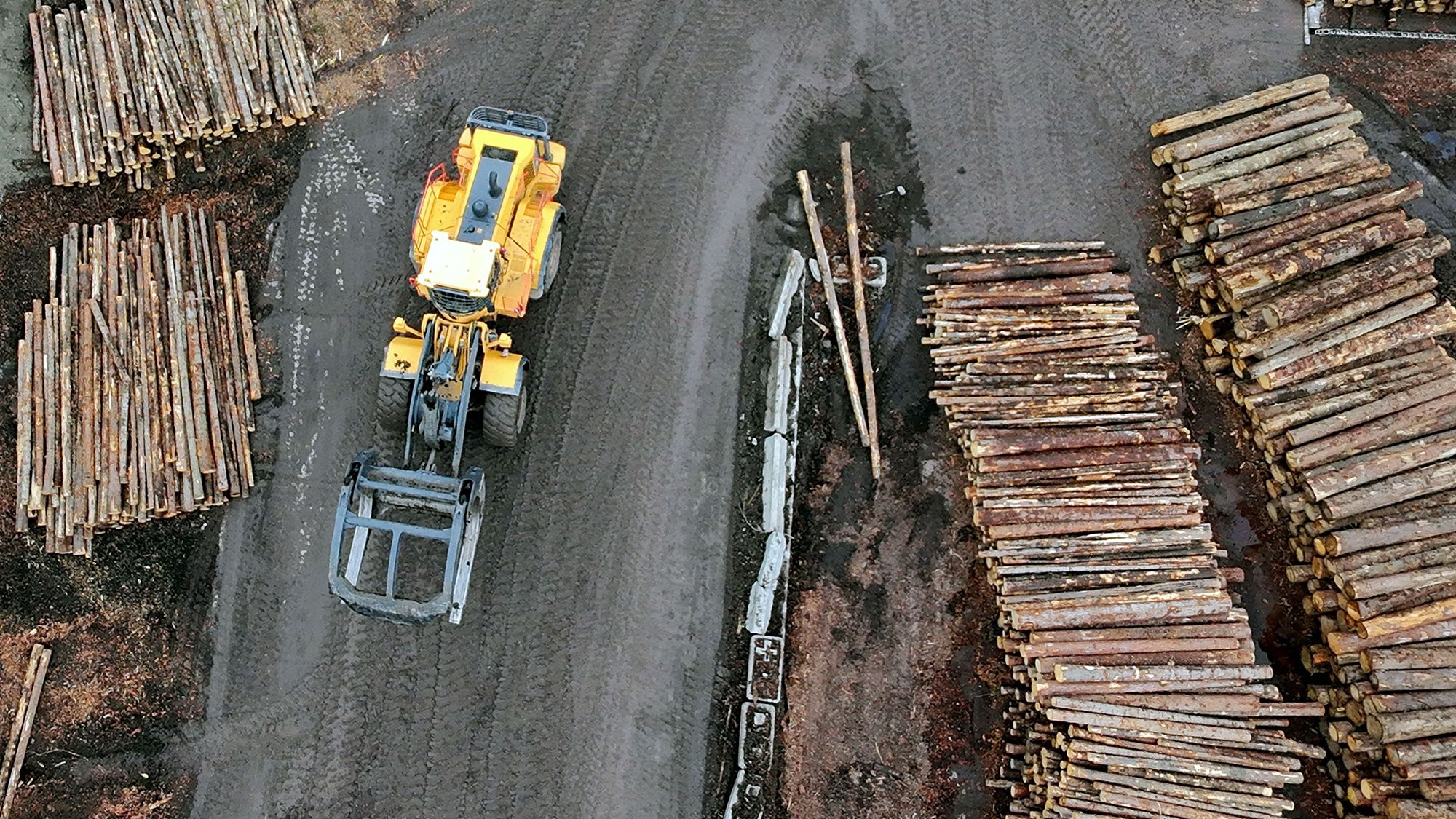
The housing market is feeling the strain, as rising construction costs due to tariffs are compounded by higher mortgage rates. The National Association of Homebuilders warns that the tariffs could exacerbate an already severe housing affordability crisis, with projections suggesting that building a new home could cost an additional $14,000 by 2027.As the conflict unfolds, Canadian leaders are strategically highlighting the economic interdependence of the two nations. Canadian pension funds and investors hold nearly $1 trillion in the U.S. financial system, a fact that could become a bargaining chip in negotiations. Prime Minister Mark Carney has made it clear that Canada will not be rushed into a deal that undermines its national interests.

On the American side, the administration is not solely relying on tariffs. Plans to expand domestic timber production are in the works, including proposals to increase logging quotas on federal lands. However, experts warn that these measures may not significantly impact overall lumber supply, and legal challenges could delay any meaningful results. The stakes are high, with both countries grappling with the immediate economic fallout. Sawmills are processing fewer logs, and factories are receiving fewer orders, leading to layoffs and closures. Meanwhile, Canadian lumber exporters are diversifying their markets, reducing their reliance on the U.S. as they seek new customers in Europe and Asia.

The outcome of this trade dispute remains uncertain, but its implications are clear. The conflict is not just about tariffs; it reflects deeper issues of economic strategy, national pride, and the interconnectedness of modern trade. As negotiations continue, the lessons learned from this episode will shape future interactions between allies navigating the complexities of a global economy.