The U.S. housing sector is reeling from a self-inflicted shockwave after the Trump administration’s drastic escalation of tariffs on Canadian softwood lumber triggered a collapse in profits for a domestic industry giant and sent construction costs soaring. In a stunning quarterly report, Weyerhaeuser, America’s largest lumber producer, announced its profits had plummeted by nearly 50%, a direct result of market chaos following the new trade barriers.

This dramatic downturn stems from Washington’s decision to impose a fresh 25% tariff on Canadian lumber imports in early 2025, layered on top of existing duties. The combined burden on some shipments now approaches 40%, an unprecedented move that has upended North American trade. Commerce Secretary Howard Lutnick declared an August 1 deadline for a new agreement, a hardline stance openly endorsed by U.S. lumber interests seeking to counter what they call unfairly subsidized Canadian competition.
The immediate aftermath has been severe volatility in lumber markets, crippling uncertainty for homebuilders, and a stark warning of rising housing costs. The National Association of Home Builders cautions the tariffs threaten to exacerbate an already critical affordability crisis, estimating the cost of an average single-family home could climb by $14,000 by 2027. With mortgage rates already at decade-highs, the construction industry is slowing rapidly as buyers retreat.

While intended to shield American mills, the strategy has backfired spectacularly on one of its supposed beneficiaries. Weyerhaeuser’s second-quarter earnings nosedived to $87 million from $173 million a year prior, with leadership warning of further declines. The company cited sliding demand, market oversupply, and increased production costs directly linked to the new tariff regime as primary causes.
The fallout extends far beyond corporate boardrooms. Across British Columbia and Alberta, hundreds of family-run forestry operations face existential threat. “35% on lumber going across the line is just ridiculous,” said one B.C. manufacturer, predicting thousands of job losses. Canadian officials have shifted from protest to strategic retaliation, hinting at powerful economic levers, including the nearly $1 trillion in Canadian capital invested in U.S. markets.
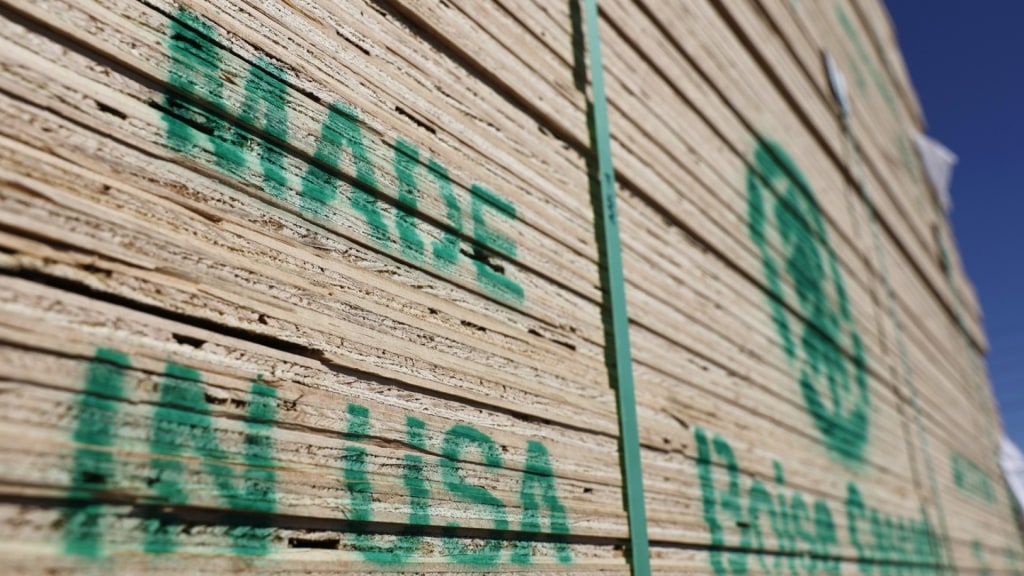
Ottawa is actively exploring countermeasures once considered unthinkable, including imposing export quotas on softwood lumber to the United States. International Trade Minister Dominic LeBlanc pointedly referenced Canada’s vast financial holdings in the U.S. as a form of leverage, signaling a readiness for a protracted and costly trade war. Simultaneously, Canada is accelerating a pivot to diversify its lumber exports, reducing its reliance on the U.S. market from 78% to 68% by increasing shipments to Europe and Asia. Major Canadian firms like West Fraser and Canfor are also investing directly in U.S.-based sawmills, particularly in the American South, blurring the lines of the dispute while creating jobs stateside.

In response, the Trump administration has proposed boosting domestic harvests on federal lands, though experts say the supply increase would be marginal and face legal challenges. The move is largely symbolic, unable to address the immediate supply crunch or price volatility plaguing builders. The softwood lumber dispute, a decades-long feud, has now entered its most volatile phase. With the expiration of the last agreement in 2015, there is no framework for resolution under the USMCA. A delegation of U.S. senators recently rushed to Ottawa seeking a compromise before the August deadline, but both sides remain entrenched.

The implications are profound, transforming a foundational construction commodity into a symbol of escalating protectionism. The conflict tests the fragile balance between domestic political priorities and integrated cross-border supply chains, with American homebuyers and workers in both nations bearing the immediate cost. As markets brace for the next round of tariffs, the lesson is clear: in a globalized economy, trade wars rarely have simple winners, and the collateral damage can implode the very industries they aim to protect.