A sharp and sustained decline in Canadian travel to the United States is inflicting severe economic damage on American border communities, with billions in tourism revenue evaporating and local businesses facing collapse, a direct consequence of soured bilateral relations and reciprocal tariffs.

The downturn represents a dramatic reversal of a decades-long trend. For the second consecutive month, more Americans traveled north than Canadians came south. Statistics Canada reports a staggering 32% year-over-year drop in Canadian return trips from the U.S. in July 2025. Car trips, typically day visits for cross-border shopping and fuel, plummeted 35%. Air travel fell 16%. This seismic shift is hitting the U.S. economy where it is most vulnerable in northern states reliant on Canadian visitors.
According to the U.S. Travel Association, Canadian visits historically generated approximately $20 billion in annual spending, supporting over 140,000 American jobs. That critical revenue stream is now drying up at an alarming rate, with no recovery in sight. From upstate New York to the Northern Midwest, the impact is visceral and immediate. Tour operators report weak bookings. Air Canada’s revenue on U.S. routes fell 11% last quarter. Border town main streets are quieter, with emptier parking lots and declining retail sales.

This emerging boycott stems from a palpable cooling of Canadian public sentiment toward the United States, exacerbated by trade tensions. The Trump administration’s tariff regime on steel, aluminum, and autos, intended to force concessions, has instead fostered resentment.
While President Trump touted strength and vindication in a combative speech before the United Nations this week, the economic fallout along the world’s longest undefended border told a different story. The policy designed to protect American industries is crippling them.
The spectacle in New York, where the President derided global institutions and world leaders, contrasted sharply with the quiet economic distress unfolding in American communities whose livelihoods are inextricably linked to Canadian goodwill and travel.
The irony is profound. Policies marketed as economic protectionism are directly undermining tourism, transportation, and retail sectors. The tariffs have failed to bend Canada to Washington’s will but have successfully discouraged its citizens from spending money in the United States.

Simultaneously, Canada is accelerating a strategic pivot that could permanently alter the North American economic landscape. Faced with U.S. pressure, Ottawa is moving decisively to fast-track energy and infrastructure projects to reduce its dependency on the southern neighbor.
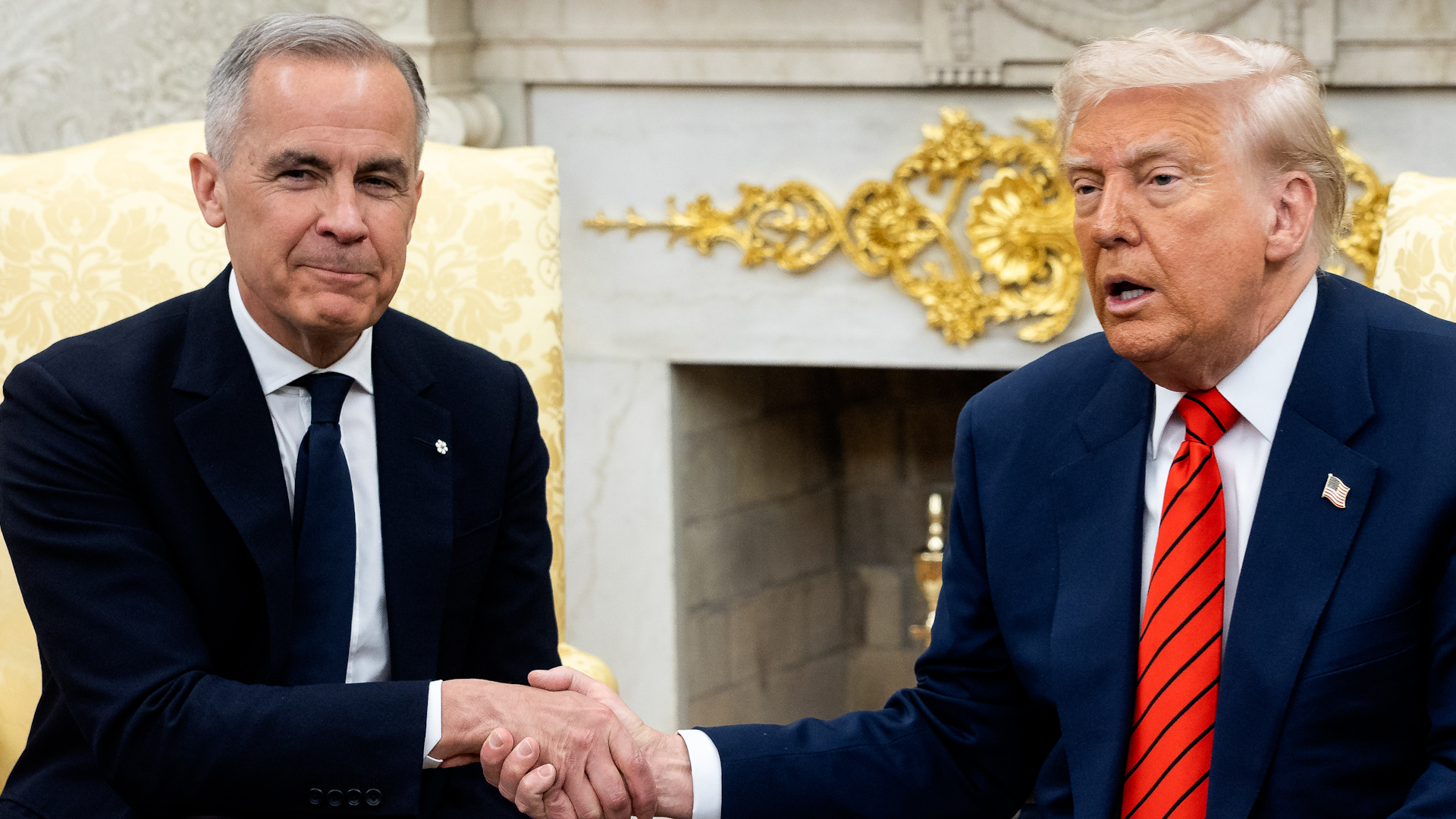
Prime Minister Mark Carney, addressing the UN, framed this moment as a “rupture” rather than a transition. His government has established a Major Projects Office to slash approval timelines for critical national infrastructure to two years or less.
Five flagship projects have already been designated, including a massive expansion of the LNG Canada terminal in British Columbia and new critical mineral mines. The intent is to use Canadian materials and labor to build economic sovereignty.
The most immediate geopolitical play is on the East Coast. New Brunswick Premier Susan Halt is aggressively promoting the stalled St. John LNG terminal, which lacks only a 600-kilometer pipeline connection to western gas fields.

With European buyers seeking stable, democratic energy sources to replace Russian supplies, and wary of U.S. volatility, Canada sees a historic opening. The St. John facility could ship gas to Europe in days, unlike longer voyages from the U.S. Gulf Coast. “The business case has changed,” Premier Halt stated, arguing the project could be online within years, not decades. This push is backed by a new comprehensive economic and security partnership signed between Canada and the European Union in June 2025.
For Washington, the implications are stark. Tariffs meant to discipline Canada have instead incentivized it to build alternative export corridors and deepen ties with Europe, creating a future competitor in global energy markets. The Canadian federal deficit has already grown by an estimated $120 million due to tariff impacts, but Ottawa is responding not with austerity but with aggressive investment, betting that building internal strength is the best response to external pressure.
This strategy aims to make future U.S. tariff threats less potent. Once Canada can export LNG, critical minerals, and other resources directly to global markets, American leverage derived from controlling access to its economy diminishes. The 2026 review of the U.S.-Mexico-Canada Agreement now looms with a transformed dynamic. Canada may approach negotiations armed with new infrastructure and diversified trade relationships forged specifically in response to U.S. actions.

On the ground, the human cost of this rupture is already clear. American business owners who built their livelihoods on cross-border traffic watch helplessly as customer numbers dwindle. The promised benefits of a tougher trade stance have not materialized for them. Instead, they bear the brunt of a diplomatic chill measured in lost sales and uncertain futures. The contrast between the political theater in New York and the shuttered shops in border towns could not be more pronounced.
This episode serves as a potent case study in unintended consequences. Economic coercion has triggered not submission, but a determined and accelerated drive for autonomy by a key ally, reshaping continental trade in real time. As Canada mobilizes billions in capital for nation-building projects, the United States faces the prospect of a northern neighbor that is less dependent, more strategically diversified, and emboldened by its own nascent energy superpower status.
The ultimate cost of the travel pullback and trade friction may extend far beyond lost tourism dollars. It may be measured in a permanent reconfiguration of North American economic power, with U.S. border communities paying the initial, devastating price.