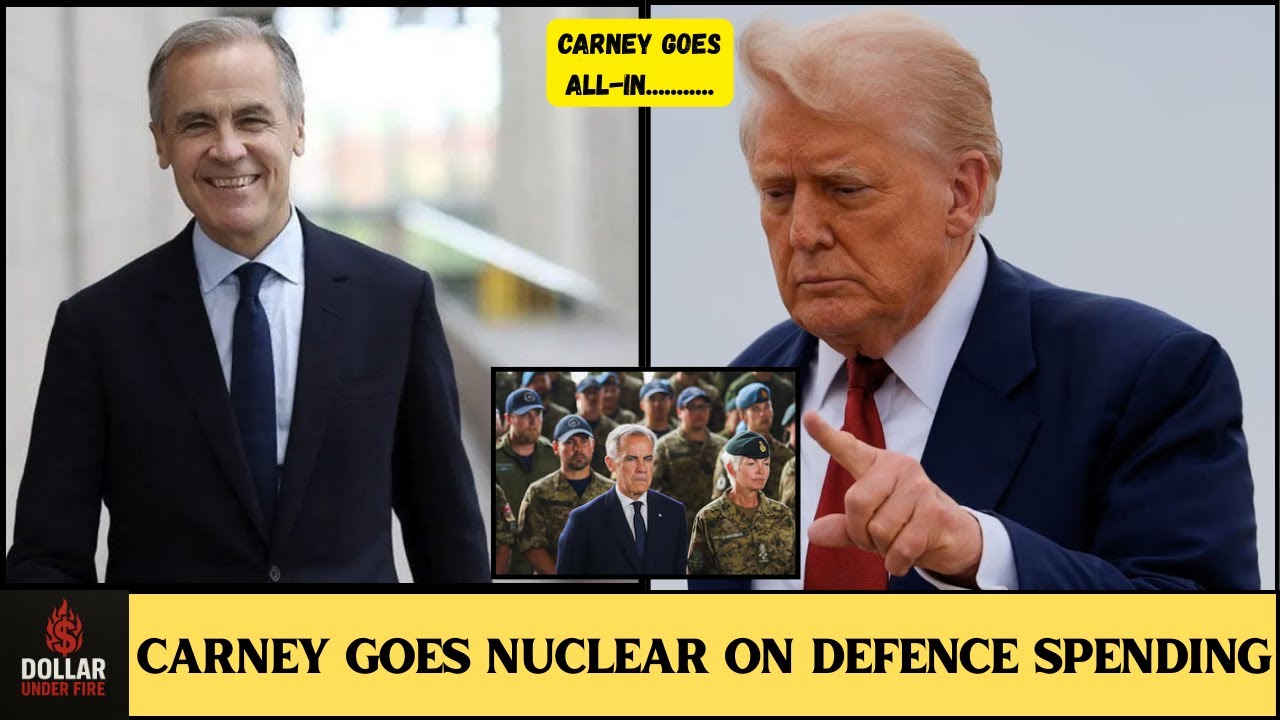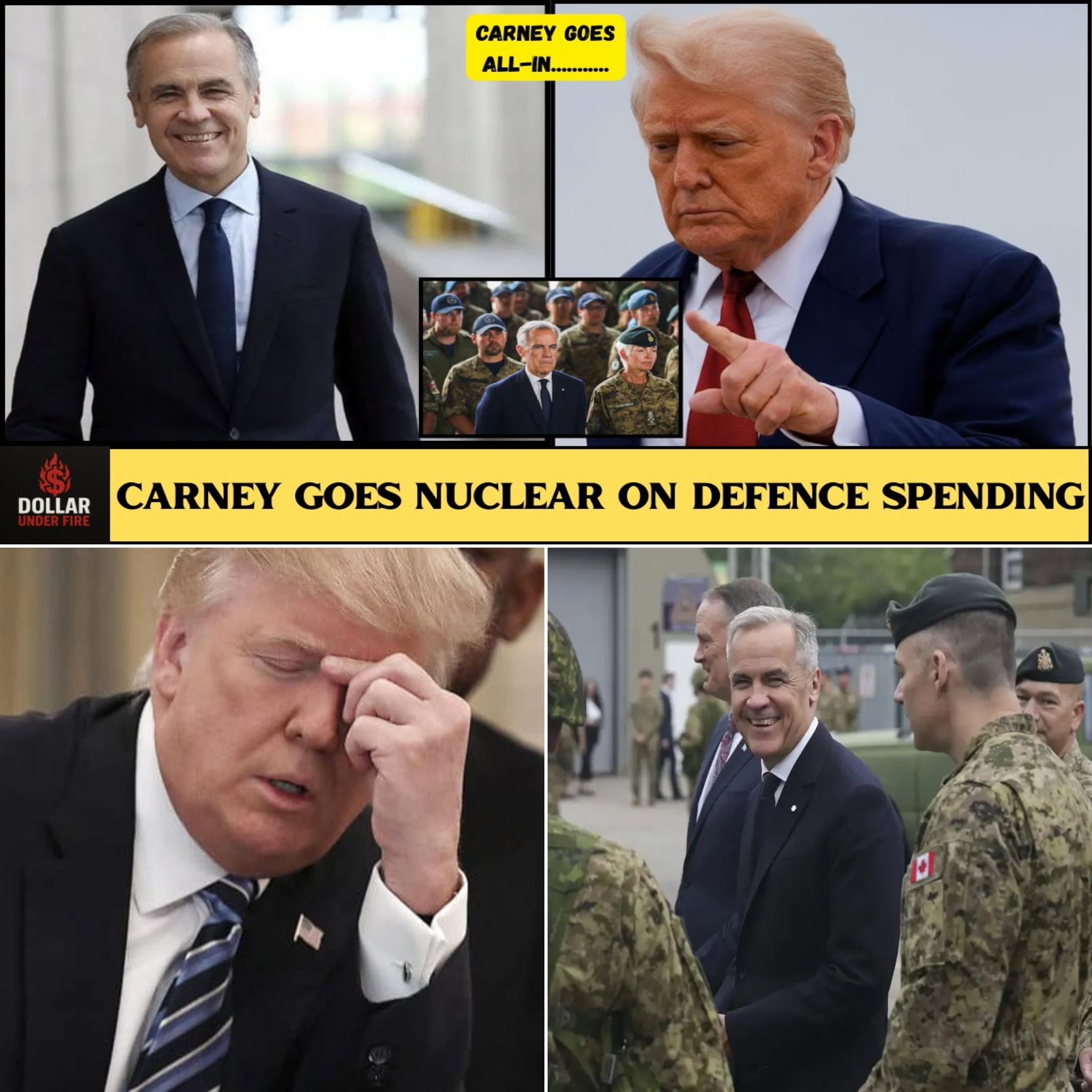
Canada has entered a new era of defense spending, spurred by escalating global threats and a stark realization of its military vulnerabilities. Prime Minister Mark Carney’s unprecedented announcement of an $8.7 billion military investment in mere months marks a seismic shift in the nation’s approach to defense.
 The urgency of this decision stems from a rapidly changing geopolitical landscape. The Arctic is heating up, and adversaries like Russia and China are aggressively asserting their presence. Russia has revitalized its military infrastructure in the Arctic, while China is maneuvering to expand its influence in northern shipping lanes.
For decades, Canada’s defense strategy has been characterized by complacency, with leaders promising increased spending but failing to deliver. Carney’s swift action signals a wake-up call, acknowledging that delay could cost more than money—it could jeopardize national sovereignty and security.
The Canadian Armed Forces are in a precarious state, struggling with personnel shortages and outdated equipment. Analysts reveal that Canada is failing to meet NATO commitments, with defense spending falling short of the 2% GDP target. The military faces a recruitment crisis, with thousands of essential positions unfilled and crucial roles left vacant for extended periods.

Hardware issues compound these challenges, as the military urgently requires replacements for aging aircraft, warships, and other critical assets. Experts liken the situation to a home in disrepair, where urgent renovations are needed but resources are scarce.
Carney’s ambitious goal of reaching 5% of GDP on defense by 2035 is unprecedented. This dramatic increase will require an overhaul of the procurement process, which has traditionally been slow and cumbersome. The establishment of the Defense Procurement Agency aims to accelerate this process, but it faces staffing challenges and bureaucratic hurdles.
Moreover, Canada’s reliance on foreign defense contracts poses a significant risk. Historically, about 75% of defense spending has gone to U.S. suppliers. Carney’s vision involves fostering a domestic defense industry to enhance sovereignty and economic independence. However, the transition will demand significant investment and rapid execution.

The Arctic presents a critical front in this defense transformation. Climate change has opened up new routes and increased the risk of incursions by foreign vessels. Russia’s military buildup in the region has been alarming, with renewed bases and missile systems posing direct threats to Canadian sovereignty.
Despite the urgency, experts caution that Canada must articulate a clear vision for its military. Without a coherent strategy, the country risks squandering its newfound commitment to defense spending. The challenge lies not only in acquiring new equipment but also in defining the military’s role in a rapidly evolving global landscape.
As Canada embarks on this ambitious defense overhaul, the stakes are higher than ever. The nation must navigate the complexities of modern warfare, economic realities, and the pressing need for Arctic security. This transformation is not merely a budgetary adjustment; it’s a definitive statement of Canada’s intent to reclaim its role on the global stage.
The countdown has begun. Canada must build the military and industry it has long delayed, or risk being left vulnerable in an increasingly hostile world. The time for action is now, and the eyes of the world are watching.