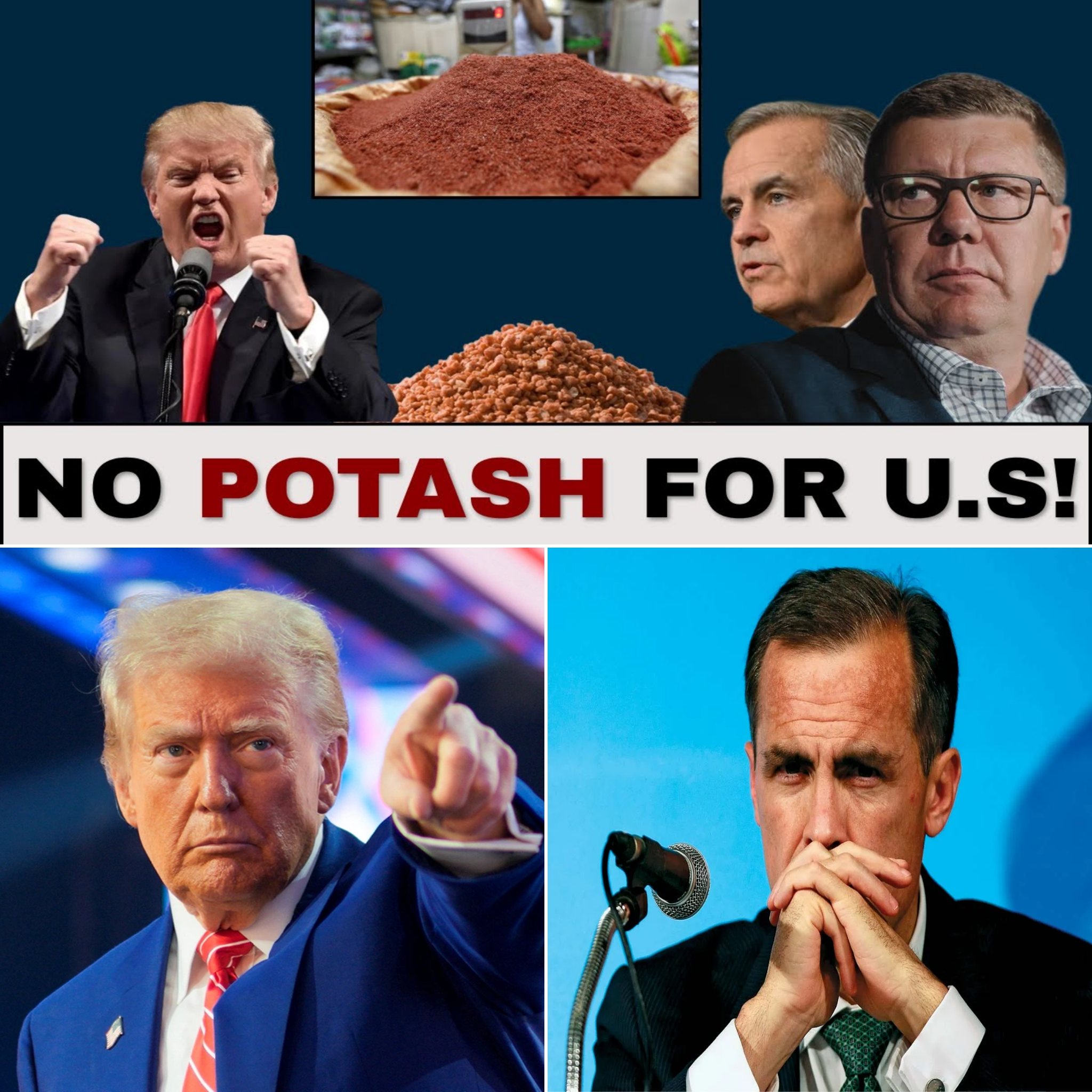
Trump’s latest threat to impose severe tariffs on Canadian fertilizer imports has sparked an urgent outcry from American farmers and industry experts alike. As the former president hints at a strategy to boost domestic production, the reality is stark: the U.S. cannot meet its own fertilizer needs. With agriculture facing a critical moment, the consequences of such tariffs could be catastrophic.
 The U.S. relies heavily on Canadian potash, especially from Saskatchewan, which holds some of the richest reserves globally. American farmers consume millions of tons of fertilizer each year, yet domestic production barely scratches the surface of demand. Trump’s proposed tariffs threaten to disrupt this vital supply chain, putting farmers in a precarious position.
Industry leaders are sounding alarms, warning that fertilizer production cannot be ramped up overnight. Building new facilities and expanding existing operations takes years, not months. The U.S. is not prepared for a sudden shift in policy that could send fertilizer prices soaring and food costs skyrocketing for consumers already grappling with inflation.
Canadian officials, including Saskatchewan’s Premier Scott Moe, urge caution. They recognize the political theater but stress the economic realities. If the U.S. closes its doors to Canadian imports, it risks turning to less reliable suppliers, including nations it has deemed national security threats. This could lead to a dangerous cycle of dependency on foreign entities.

Farming communities, particularly in states that supported Trump, are already under immense pressure from rising costs and unpredictable weather. Adding tariffs on fertilizer would be a self-inflicted wound, further straining their operations and exacerbating food insecurity across the nation. Farmers are warning that these tariffs will hurt them far more than they will impact Canada.
Economists are clear: tariffs function like taxes. They burden importers who inevitably pass costs onto consumers. Yet, the narrative from Washington tries to downplay this basic economic principle. With the Supreme Court reviewing the president’s authority to impose such tariffs, the stakes are higher than ever.
What happens if these tariffs go through? Fertilizer costs will spike, crop production will fall, and the U.S. will find itself increasingly reliant on foreign nations for its agricultural needs. Meanwhile, Canada will stabilize its economy, pivoting to new markets and strengthening its global ties.

The interconnectedness of U.S. and Canadian agriculture is undeniable. This system has thrived on cooperation, providing stability and efficiency. However, political pride threatens to unravel this partnership, putting both nations at risk.
The fertilizer crisis is not merely an agricultural issue; it highlights the broader implications of U.S. trade policy. If Washington continues down this reckless path, ordinary Americans—farmers, families, and consumers—will bear the brunt of the fallout. As the world moves forward, the U.S. risks isolating itself, making bold promises it cannot keep while ignoring the facts.
In this critical moment, the message is clear: cooperation is essential for the future of North American agriculture. The stakes are high, and the clock is ticking. If Washington does not heed these warnings, the consequences will be felt across the entire food chain, impacting every American family.